

Beef, flank, steak, boneless, choice, raw
Whole food · Beef Products

Photo: Wikipedia
Boneless flank steak is a long, flat cut from the abdominal muscles of the cow, prized for its bold, beefy flavor and a distinct, fibrous texture that becomes wonderfully tender when sliced against the grain. Nutritionally, it's a powerhouse of lean protein with a moderate fat content, making it a favorite for high-protein, low-carb diets.
Calorie split: 49% protein · 0% carbs · 51% fat
↓ Full nutrition💚 Why it's loved
People adore flank steak for its deep, savory flavor that holds up beautifully to bold marinades and high-heat cooking like grilling or broiling. Its long grain makes it ideal for slicing into strips, perfect for everything from fajitas to elegant salads.
⚠️ Watch-outs & how to enjoy it better
If overcooked, its pronounced muscle fibers can become tough and chewy. To counteract this, marinate for at least 30 minutes to tenderize, cook quickly to medium-rare or medium, and always slice thinly against the grain to shorten the fibers.
Key benefits
- Excellent source of complete protein for muscle maintenance.
- Rich in iron and zinc, essential minerals for energy and immunity.
- Provides B vitamins, particularly B12, crucial for nerve function.
- Naturally low in carbohydrates.
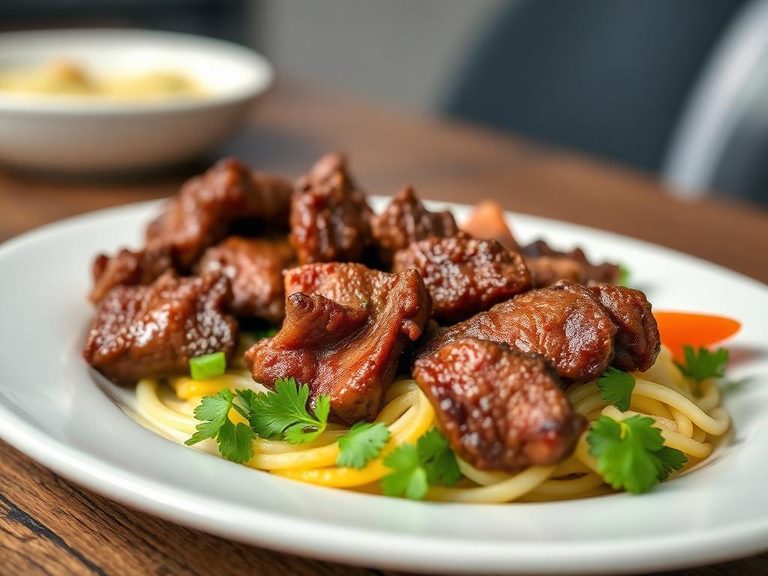
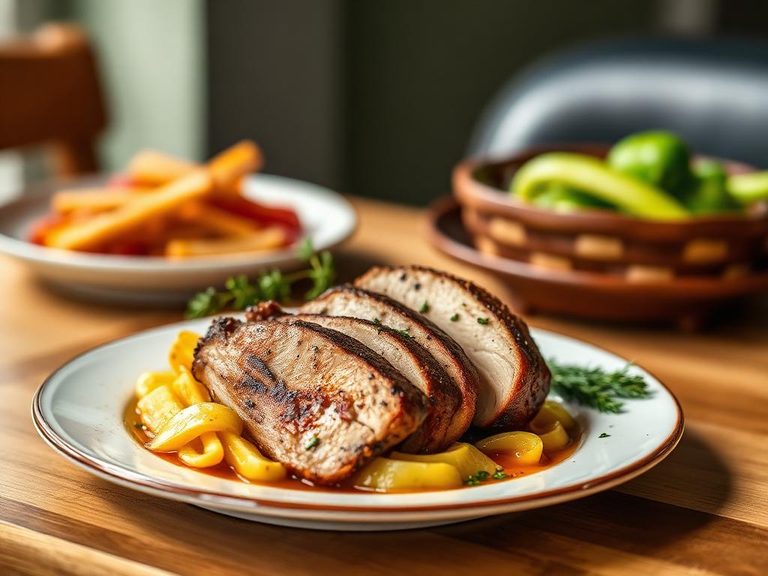
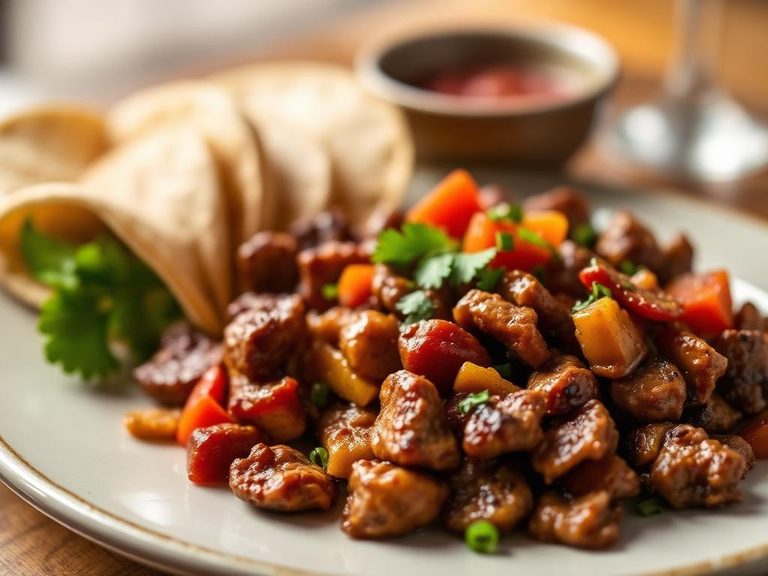
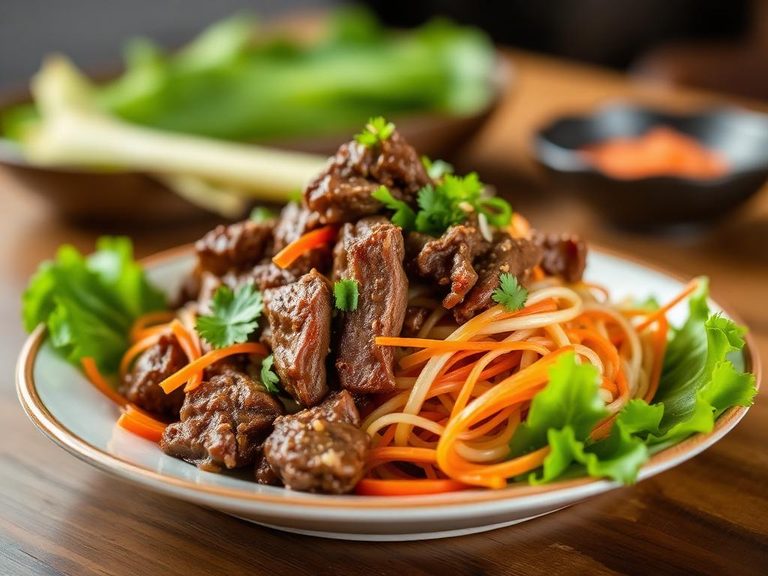
🍽️ Popular dishes
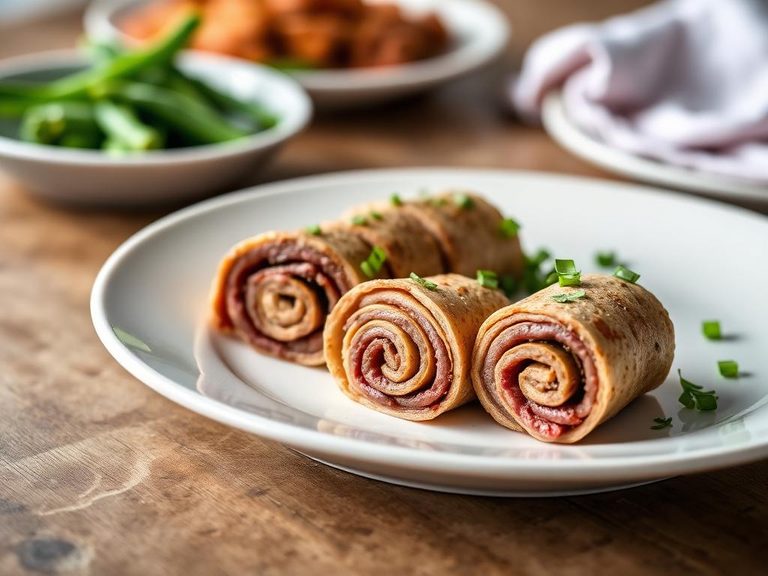
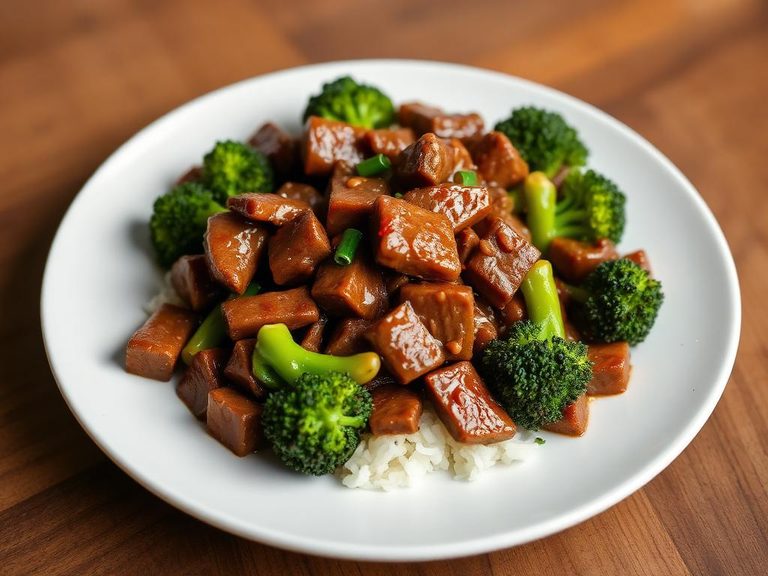
🌍 Where it's eaten
💡 Did you know?
The flank steak from one side of the cow is sometimes called a 'London Broil' in the U.S., a name that refers more to the broiling cooking method than the specific cut itself.
Full nutrition (USDA data · scales with serving)
| Water | 69.8 g |
| Energy (Atwater General Factors) | 164 kcal |
| Energy (Atwater Specific Factors) | 170 kcal |
| Nitrogen | 3.2 g |
| Protein | 20.1 g |
| Total lipid (fat) | 9.4 g |
| Ash | 0.99 g |
| Carbohydrate, by difference | 0.00 g |
| Calcium, Ca | 3.8 mg |
| Iron, Fe | 1.8 mg |
| Magnesium, Mg | 18.9 mg |
| Phosphorus, P | 167 mg |
| Potassium, K | 332 mg |
| Sodium, Na | 51.3 mg |
| Zinc, Zn | 5.6 mg |
| Copper, Cu | 0.04 mg |
| Manganese, Mn | 0.00 mg |
Fat & fatty acid profile (per 100g)
| Fatty acids, total saturated | 3.6 g |
| Fatty acids, total monounsaturated | 3.6 g |
| Fatty acids, total polyunsaturated | 0.31 g |
| Fatty acids, total trans | 0.39 g |
| Cholesterol | 57.7 mg |
Amino acid profile (per 100g)
Estimated from Beef, variety meats and by-products, mechanically separated beef, raw — USDA does not publish this profile for Beef.
| Tryptophan | 0.17 g |
| Threonine | 0.47 g |
| Isoleucine | 0.58 g |
| Leucine | 1.2 g |
| Lysine | 1.2 g |
| Methionine | 0.43 g |
| Cystine | 0.23 g |
| Phenylalanine | 0.64 g |
| Tyrosine | 0.38 g |
| Valine | 0.92 g |
| Arginine | 1.2 g |
| Histidine | 0.44 g |
| Alanine | 1.0 g |
| Aspartic acid | 1.3 g |
| Glutamic acid | 2.1 g |
| Glycine | 1.2 g |
| Proline | 0.92 g |
| Serine | 0.57 g |
FAQ
How do I prevent flank steak from being tough?
The key is a three-step process: marinate to break down fibers, cook quickly over high heat to no more than medium doneness, and slice thinly against the grain before serving.
Is flank steak the same as skirt steak?
No, they are different cuts. Flank steak is thicker, leaner, and from the abdominal muscle, while skirt steak is thinner, fattier, and from the diaphragm. Both are great for grilling and fajitas.
What is the best way to slice flank steak?
Always slice perpendicular to the direction the muscle fibers run (against the grain). This shortens the fibers, making each bite significantly more tender.
Nutrient density (calculated · NRF9.3)
Nutrient Rich Foods index: beneficial nutrients (protein, fiber, vitamins, minerals) minus saturated fat, added sugar & sodium, per 100 kcal.
NRF9.3 index — Fulgoni, Keast & Drewnowski, 2009. Computed from USDA nutrients.
Weight-loss friendliness (composite index)
Energy density 1.64 kcal/g · 49% calories from protein · 0.0 g fiber · 0.0 g sugar per 100 g.
Composite of energy density (Rolls et al., 1999), protein & fiber satiety, minus sugar. A calculated heuristic — ranks satiety-per-calorie, not a clinical measure.
Dietary load (calculated from USDA values)
Potential renal acid load. Positive = acid-forming, negative = alkaline-forming.
Sodium-to-potassium ratio: 0.15 (lower is better — aim for ≤ 1)
Sodium:potassium per WHO potassium guidance. Computed from USDA nutrients.