

Vinegar, red wine
Whole food · Spices and Herbs

Photo: Wikipedia
Red wine vinegar is a sharp, ruby-hued liquid condiment made by fermenting red wine into acetic acid. It delivers a bright, tangy punch with subtle fruity undertones from its wine origin. Nutritionally, it is extremely low-calorie, with virtually no protein, carbs, or fat per serving.
Calorie split: 13% protein · 87% carbs · 0% fat
↓ Full nutrition💚 Why it's loved
People adore it for its vibrant acidity that cuts through richness and brightens salads, marinades, and sauces. Its complex flavor, deeper than white vinegar, makes it a versatile staple in many global cuisines.
⚠️ Watch-outs & how to enjoy it better
Its high acidity can irritate the digestive tract or tooth enamel if consumed undiluted or in excess. To counteract this, always dilute it in dressings or marinades, use a straw for direct consumption, and rinse your mouth with water afterward. Those with acid reflux may want to limit intake.
Key benefits
- Adds flavor without significant calories or sugar
- May help enhance mineral absorption from plant foods
- Can be used as a low-sodium flavor enhancer
- Traditional ingredient in pickling and preserving
- Contains trace antioxidants from its red wine base
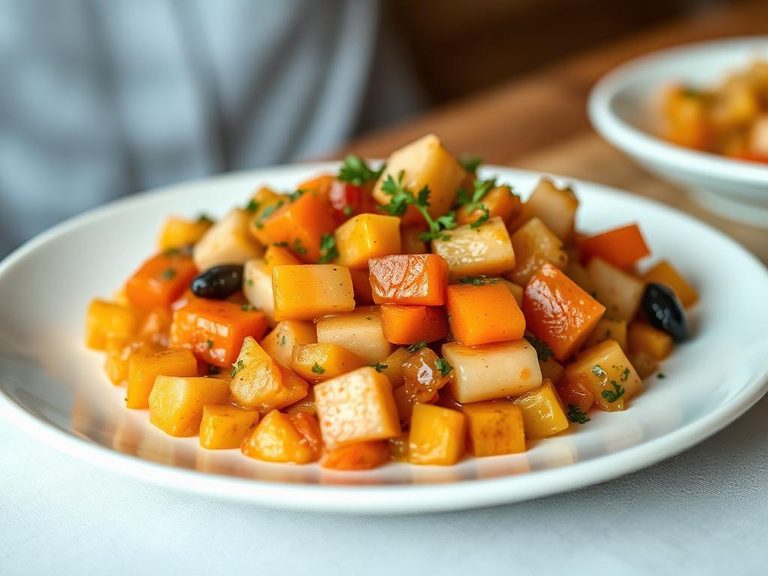
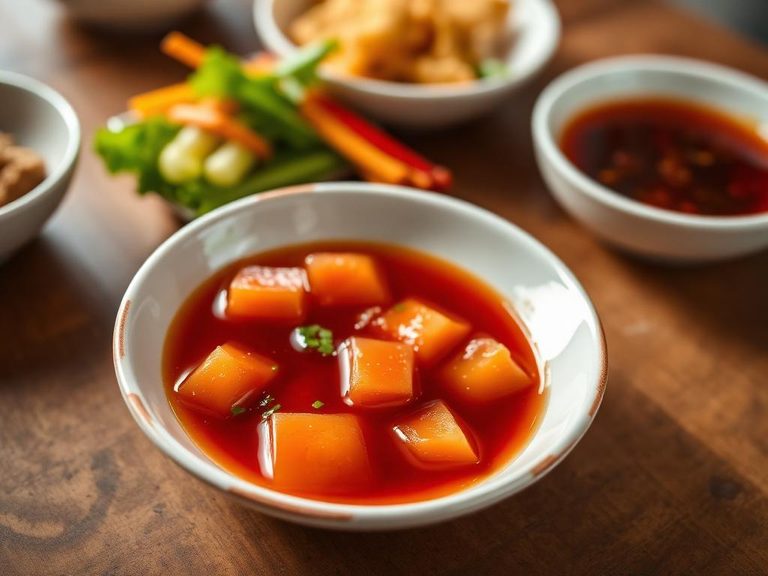
🍽️ Popular dishes
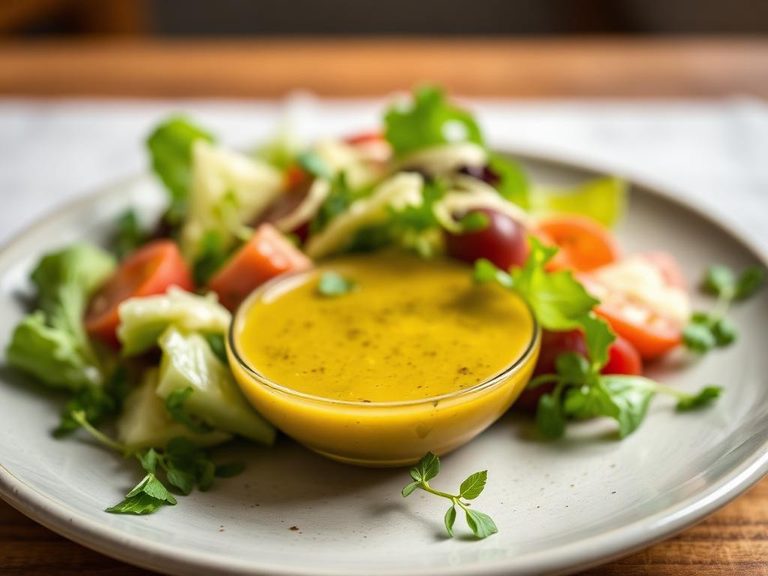
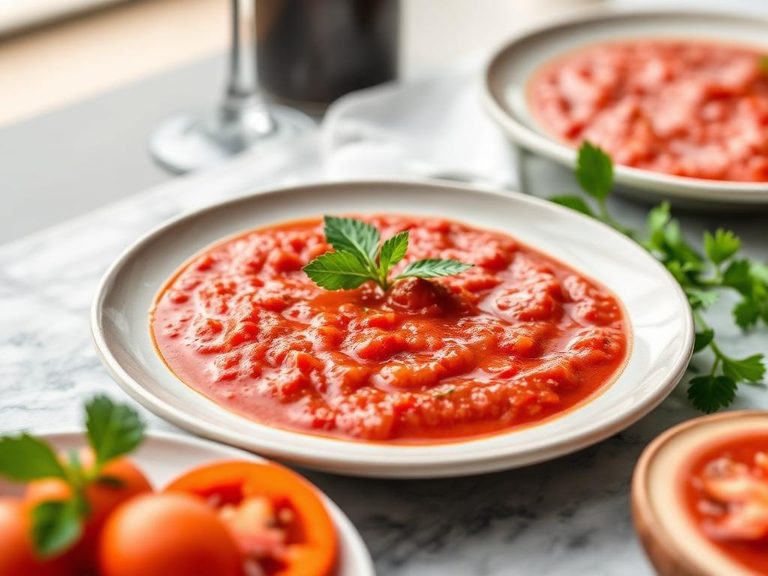
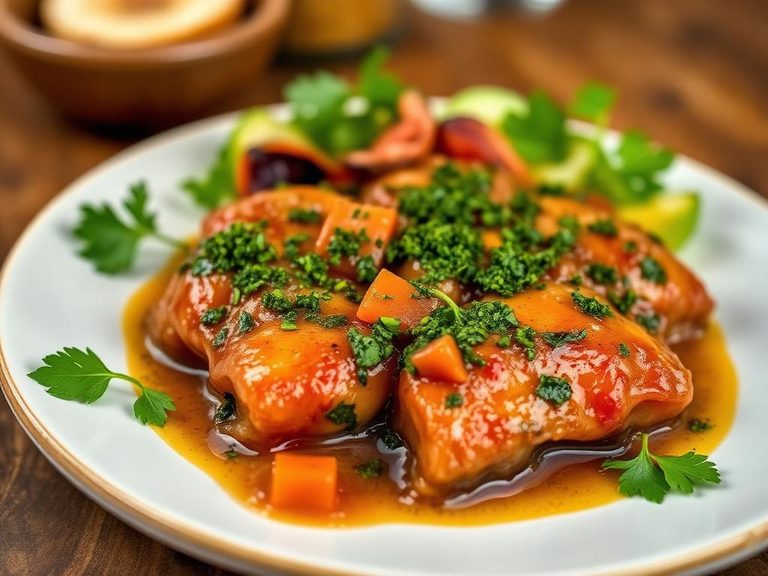
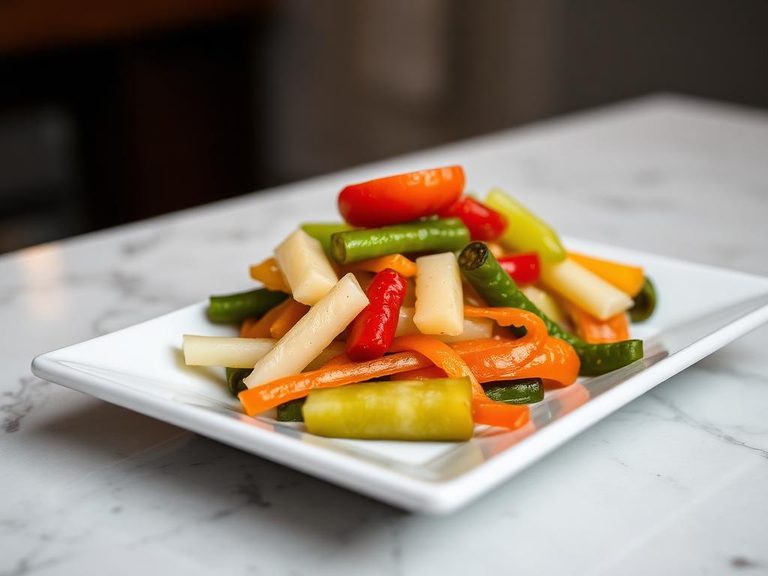
🌍 Where it's eaten
💡 Did you know?
The 'mother of vinegar,' a gelatinous biofilm of bacteria and cellulose, can form during natural fermentation and is perfectly safe to consume or strain out.
Full nutrition (USDA data · scales with serving)
| Water | 94.5 g |
| Energy | 19.0 kcal |
| Energy | 79.0 kj |
| Protein | 0.04 g |
| Total lipid (fat) | 0.00 g |
| Ash | 0.17 g |
| Carbohydrate, by difference | 0.27 g |
| Fiber, total dietary | 0.00 g |
| Total Sugars | 0.00 g |
| Calcium, Ca | 6.0 mg |
| Iron, Fe | 0.45 mg |
| Magnesium, Mg | 4.0 mg |
| Phosphorus, P | 8.0 mg |
| Potassium, K | 39.0 mg |
| Sodium, Na | 8.0 mg |
| Zinc, Zn | 0.03 mg |
| Copper, Cu | 0.01 mg |
| Manganese, Mn | 0.05 mg |
| Vitamin C, total ascorbic acid | 0.50 mg |
| Vitamin A, RAE | 0.00 ug |
| Vitamin A, IU | 0.00 iu |
Fat & fatty acid profile (per 100g)
| Fatty acids, total saturated | 0.00 g |
| Fatty acids, total trans | 0.00 g |
Amino acid profile (per 100g)
Estimated from Vinegar, cider — USDA does not publish this profile for Vinegar.
| Tryptophan | 0.00 g |
| Threonine | 0.00 g |
| Isoleucine | 0.00 g |
| Leucine | 0.00 g |
| Lysine | 0.00 g |
| Methionine | 0.00 g |
| Cystine | 0.00 g |
| Phenylalanine | 0.00 g |
| Tyrosine | 0.00 g |
| Valine | 0.00 g |
| Arginine | 0.00 g |
| Histidine | 0.00 g |
| Alanine | 0.00 g |
| Aspartic acid | 0.00 g |
| Glutamic acid | 0.00 g |
| Glycine | 0.00 g |
| Proline | 0.00 g |
| Serine | 0.00 g |
FAQ
What's the difference between red wine vinegar and balsamic vinegar?
Red wine vinegar is made directly from fermented red wine, resulting in a sharp, consistent acidity. Balsamic vinegar is made from grape must, is often aged for years, and has a sweeter, more complex, syrupy profile.
Can I use red wine vinegar in baking?
It's not a common baking ingredient due to its strong flavor, but it can be used in specific recipes like red velvet cake to react with baking soda for leavening, or in some fruit-based desserts for a tangy note.
How should I store red wine vinegar?
Store it in a cool, dark place like a pantry. Its high acidity makes it shelf-stable for a very long time (often years), though its flavor may slowly mellow.
Nutrient density (calculated · NRF9.3)
Nutrient Rich Foods index: beneficial nutrients (protein, fiber, vitamins, minerals) minus saturated fat, added sugar & sodium, per 100 kcal.
NRF9.3 index — Fulgoni, Keast & Drewnowski, 2009. Computed from USDA nutrients.
Weight-loss friendliness (composite index)
Energy density 0.19 kcal/g · 1% calories from protein · 0.0 g fiber · 0.0 g sugar per 100 g.
Composite of energy density (Rolls et al., 1999), protein & fiber satiety, minus sugar. A calculated heuristic — ranks satiety-per-calorie, not a clinical measure.
Dietary load (calculated from USDA values)
Potential renal acid load. Positive = acid-forming, negative = alkaline-forming.
Sodium-to-potassium ratio: 0.21 (lower is better — aim for ≤ 1)
Sodium:potassium per WHO potassium guidance. Computed from USDA nutrients.