

Sea lion, Steller, kidney (Alaska Native)
Whole food · American Indian/Alaska Native Foods

Photo: Wikipedia
Steller sea lion kidney is a dense, mineral-rich organ meat prized in Alaska Native cuisine, with a firm, slightly grainy texture and a deep, iron-forward flavor reminiscent of beef kidney but more robust. Nutritionally, it is a lean powerhouse, delivering an exceptional 18.1 grams of protein per 100 grams with minimal fat and carbohydrates.
Calorie split: 78% protein · 6% carbs · 16% fat
↓ Full nutrition💚 Why it's loved
It is cherished for its intensely savory, umami-rich flavor that forms the backbone of traditional subsistence feasts, and for its cultural significance as a connection to ancestral hunting and sharing practices.
⚠️ Watch-outs & how to enjoy it better
The strong, mineral taste and unique texture can be challenging for those unaccustomed to organ meats, and it requires careful sourcing and preparation to ensure safety and palatability; those with gout or kidney conditions should consult a doctor. To mitigate the strong flavor, it is often blanched or soaked before cooking and paired with bold ingredients like berries or onions.
Key benefits
- Exceptionally high in protein for muscle maintenance
- Very low in fat and carbohydrates
- Rich source of essential B vitamins like B12
- Contains important minerals like iron and selenium
- A traditional, nose-to-tail source of nutrients
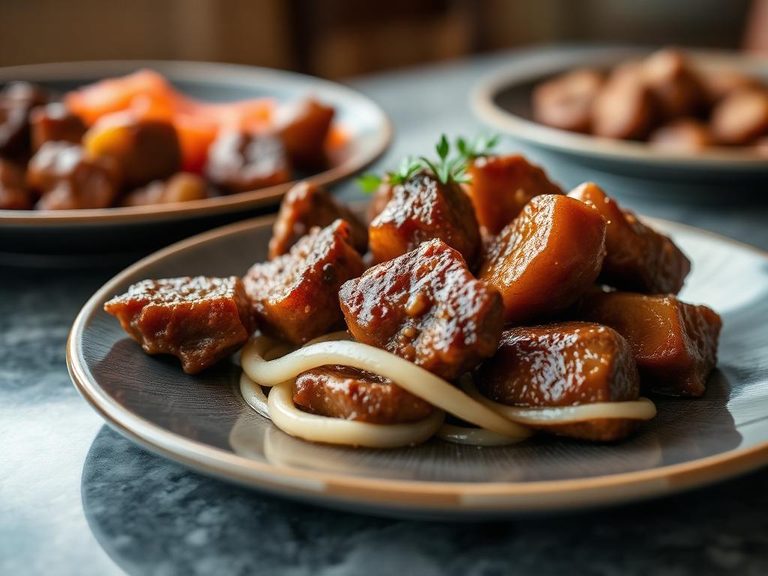
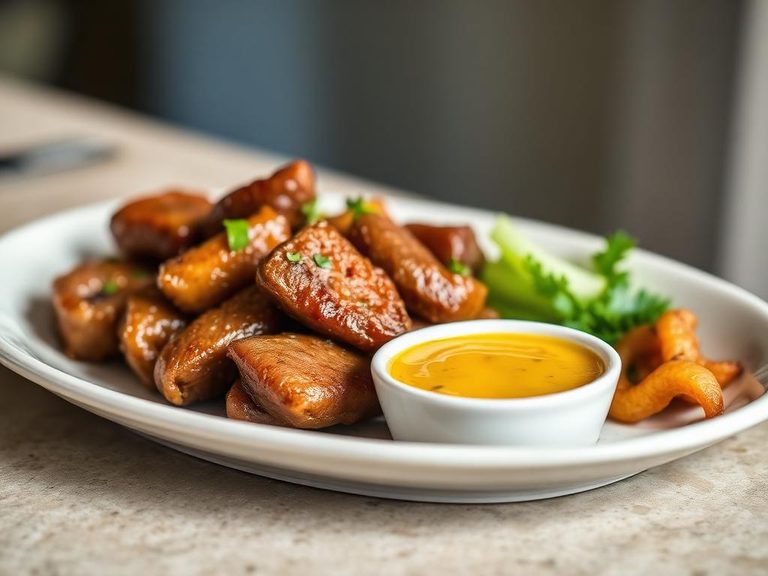
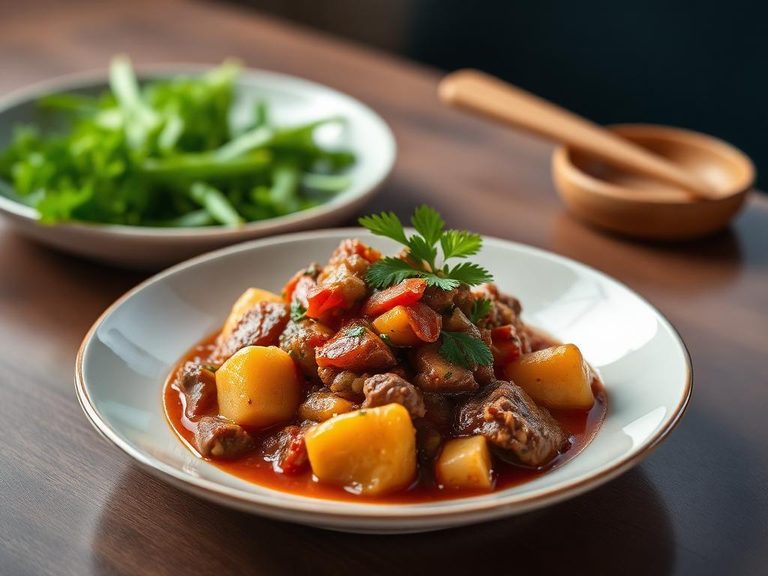
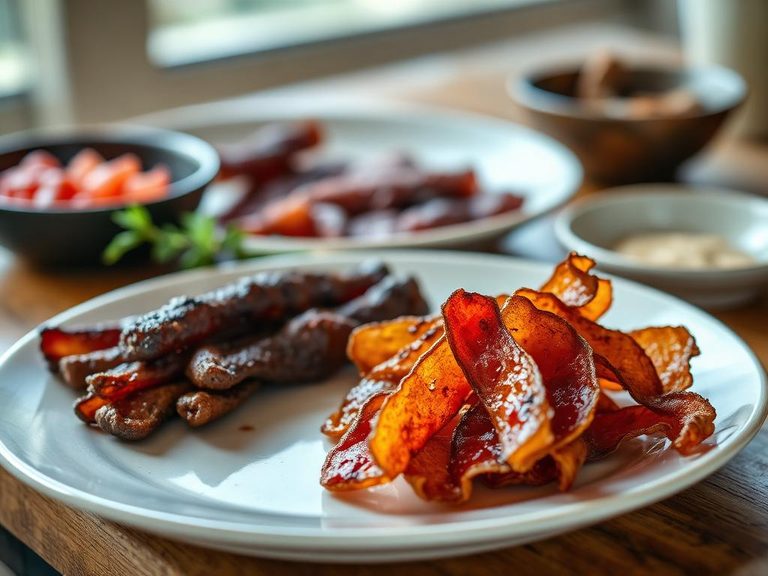
🍽️ Popular dishes
🌍 Where it's eaten
💡 Did you know?
Steller sea lions can dive to depths of over 400 meters, and their kidneys are adapted to handle the physiological stresses of deep diving and saltwater consumption.
Full nutrition (USDA data · scales with serving)
| Water | 77.4 g |
| Energy | 93.0 kcal |
| Energy | 390 kj |
| Protein | 18.1 g |
| Total lipid (fat) | 1.7 g |
| Ash | 1.4 g |
| Carbohydrate, by difference | 1.4 g |
| Calcium, Ca | 9.0 mg |
| Iron, Fe | 7.0 mg |
| Magnesium, Mg | 16.0 mg |
| Phosphorus, P | 301 mg |
| Potassium, K | 253 mg |
| Sodium, Na | 231 mg |
| Zinc, Zn | 2.9 mg |
| Copper, Cu | 0.88 mg |
| Manganese, Mn | 0.13 mg |
| Selenium, Se | 274 ug |
| Vitamin C, total ascorbic acid | 0.00 mg |
| Vitamin A, RAE | 0.00 ug |
| Vitamin A, IU | 0.00 iu |
| Vitamin E (alpha-tocopherol) | 0.00 mg |
Fat & fatty acid profile (per 100g)
| Fatty acids, total saturated | 0.30 g |
| Fatty acids, total monounsaturated | 0.30 g |
| Fatty acids, total polyunsaturated | 0.30 g |
| Fatty acids, total trans | 0.00 g |
| Cholesterol | 390 mg |
Amino acid profile (per 100g)
| Tryptophan | 1.2 g |
| Isoleucine | 0.10 g |
| Lysine | 0.10 g |
| Cystine | 0.10 g |
| Phenylalanine | 0.10 g |
| Tyrosine | 0.10 g |
| Valine | 0.10 g |
| Arginine | 0.10 g |
| Histidine | 0.20 g |
| Alanine | 0.10 g |
| Aspartic acid | 0.00 g |
| Glutamic acid | 0.10 g |
FAQ
How does it taste compared to other organ meats?
It has a more pronounced, iron-rich and slightly gamey flavor than beef kidney, with a denser, less spongy texture.
Is it safe to eat raw?
Traditional preparations may include raw or fermented preparations, but modern food safety guidelines recommend thorough cooking to an internal temperature of at least 160°F (71°C) to eliminate potential pathogens.
Where can I source it?
It is primarily available through subsistence networks in Alaska or specialty purveyors of wild game; it is not commonly found in mainstream grocery stores.
Nutrient density (calculated · NRF9.3)
Nutrient Rich Foods index: beneficial nutrients (protein, fiber, vitamins, minerals) minus saturated fat, added sugar & sodium, per 100 kcal.
NRF9.3 index — Fulgoni, Keast & Drewnowski, 2009. Computed from USDA nutrients.
Weight-loss friendliness (composite index)
Energy density 0.93 kcal/g · 78% calories from protein · 0.0 g fiber · 0.0 g sugar per 100 g.
Composite of energy density (Rolls et al., 1999), protein & fiber satiety, minus sugar. A calculated heuristic — ranks satiety-per-calorie, not a clinical measure.
Dietary load (calculated from USDA values)
Potential renal acid load. Positive = acid-forming, negative = alkaline-forming.
Sodium-to-potassium ratio: 0.91 (lower is better — aim for ≤ 1)
Sodium:potassium per WHO potassium guidance. Computed from USDA nutrients.