Sauce, salsa, ready-to-serve
Whole food · Soups, Sauces, and Gravies
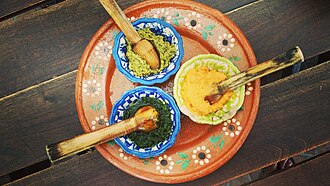
Photo: Wikipedia
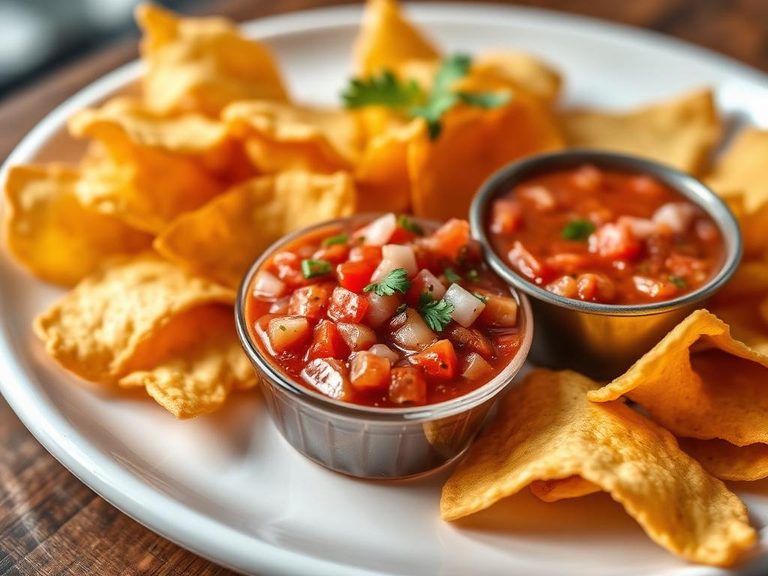
Salsa is a vibrant, chunky condiment made from tomatoes, onions, chili peppers, and cilantro, delivering a bright, tangy, and mildly spicy flavor. Its texture is typically fresh and juicy, with a satisfying crunch from the vegetables. Nutritionally, it's a low-calorie powerhouse, offering significant fiber (1.8g per 100g) and virtually no fat or sugar.
💚 Why it's loved
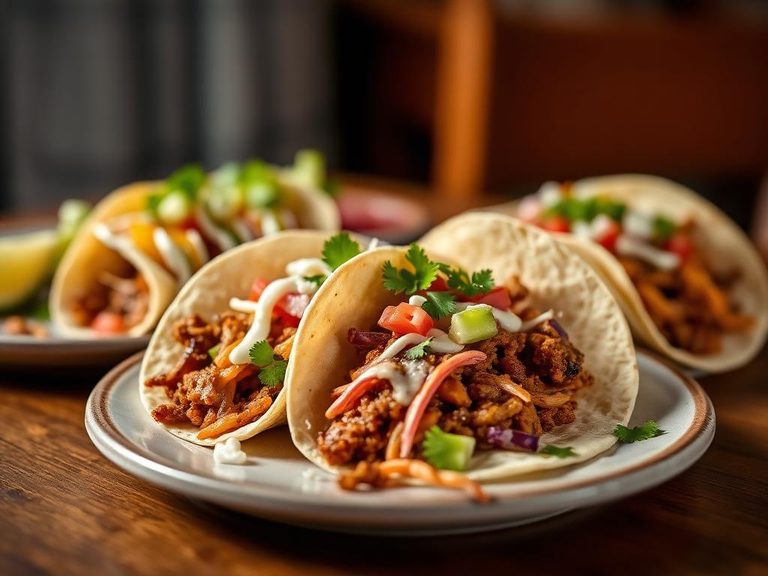
People love salsa for its explosive, fresh flavor that instantly elevates simple foods like chips, tacos, and grilled meats. Its versatility makes it a staple in countless dishes, and it carries a deep cultural connection to Mexican and Tex-Mex cuisine, often served at gatherings and celebrations.
⚠️ Watch-outs & how to enjoy it better
Salsa can be high in sodium, which may be a concern for those monitoring blood pressure. Its acidity from tomatoes and citrus can also trigger heartburn or acid reflux in sensitive individuals. To counteract sodium, look for low-sodium versions or make your own; to manage acidity, pair it with a small amount of fat or protein (like cheese or avocado) to buffer the stomach.
Key benefits
- Extremely low in calories (29 kcal per 100g)
- Good source of dietary fiber (1.8g per 100g)
- Virtually fat-free and sugar-free
- Rich in vitamins A and C from tomatoes and peppers
- Adds flavor without adding significant calories or fat
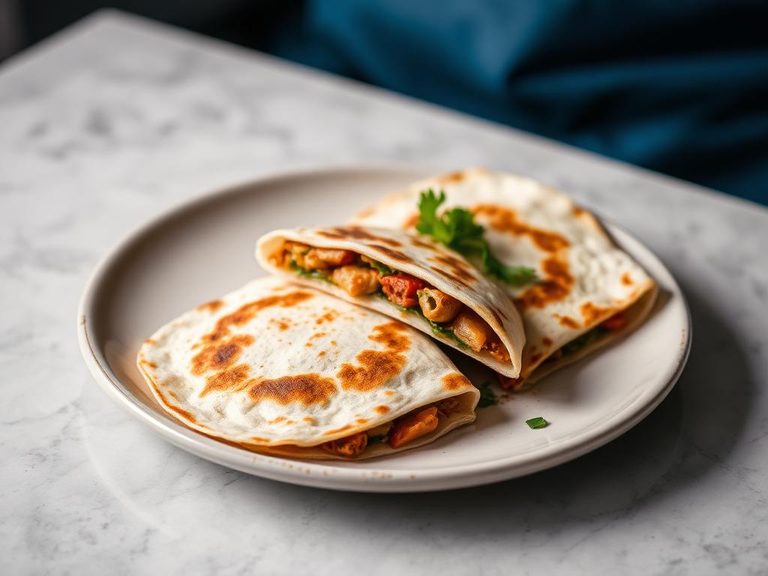
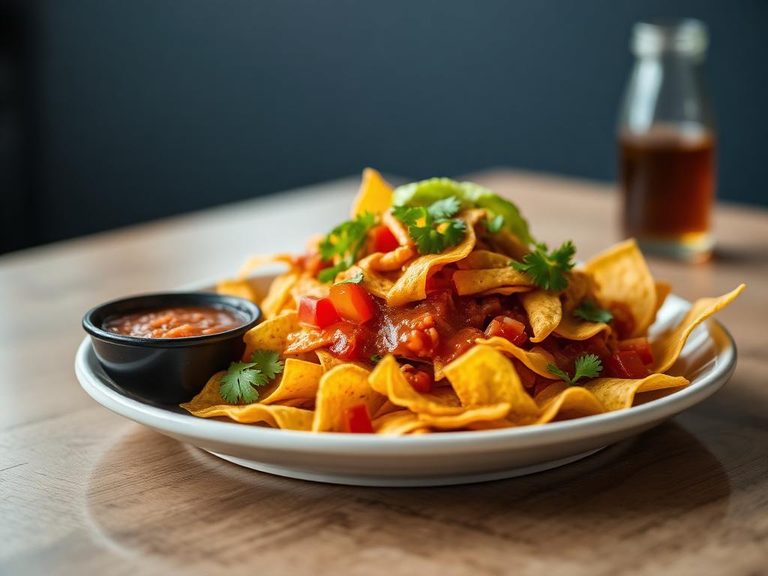
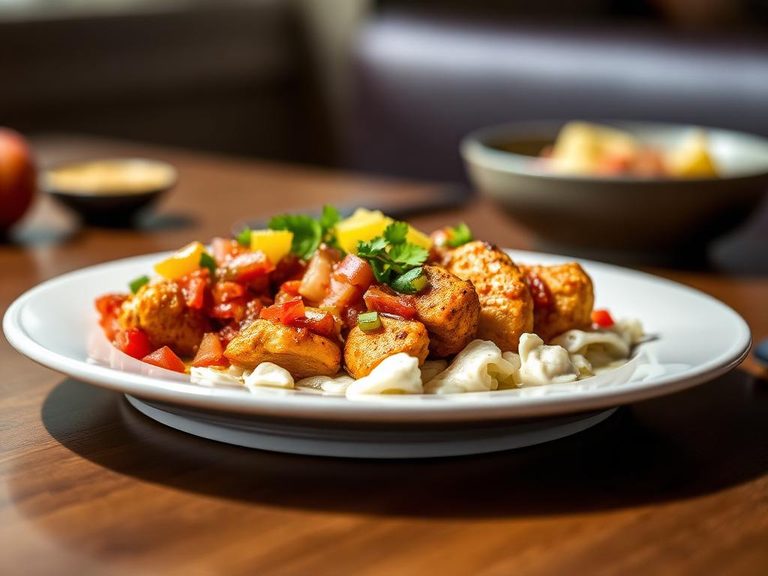
🍽️ Popular dishes
🌍 Where it's eaten
💡 Did you know?
The word 'salsa' simply means 'sauce' in Spanish, and the condiment we know today evolved from ancient Aztec and Mayan preparations that combined tomatoes, chili peppers, and squash seeds.
Full nutrition (scales with serving)
| Water | 89.3 g |
| Energy (Atwater General Factors) | 34.0 kcal |
| Energy (Atwater Specific Factors) | 29.0 kcal |
| Energy | 29.0 kcal |
| Energy | 122 kj |
| Nitrogen | 0.23 g |
| Protein | 1.4 g |
| Total lipid (fat) | 0.19 g |
| Ash | 2.3 g |
| Carbohydrate, by difference | 6.7 g |
| Carbohydrate, by summation | 5.7 g |
| Fiber, total dietary | 1.8 g |
| Sugars, Total | 3.8 g |
| Sucrose | 0.20 g |
| Glucose | 1.6 g |
| Fructose | 2.0 g |
| Lactose | 0.00 g |
| Maltose | 0.00 g |
| Galactose | 0.00 g |
| Starch | 0.00 g |
| Calcium, Ca | 28.0 mg |
| Iron, Fe | 0.42 mg |
| Magnesium, Mg | 15.2 mg |
| Phosphorus, P | 32.0 mg |
| Potassium, K | 258 mg |
| Sodium, Na | 656 mg |
| Zinc, Zn | 0.20 mg |
| Copper, Cu | 0.07 mg |
| Manganese, Mn | 0.11 mg |
| Thiamin | 0.04 mg |
| Niacin | 1.1 mg |
| Pantothenic acid | 0.20 mg |
| Vitamin B-6 | 0.18 mg |
| Vitamin A, RAE | 24.0 ug |
| Carotene, beta | 288 ug |
| Carotene, alpha | 0.00 ug |
| Cryptoxanthin, beta | 0.00 ug |
| Lycopene | 6310 ug |
| Lutein + zeaxanthin | 211 ug |
| Vitamin E (alpha-tocopherol) | 1.2 mg |
| Tocopherol, beta | 0.03 mg |
| Tocopherol, gamma | 0.14 mg |
| Tocopherol, delta | 0.00 mg |
| Tocotrienol, alpha | 0.00 mg |
| Tocotrienol, beta | 0.43 mg |
| Tocotrienol, gamma | 0.00 mg |
| Tocotrienol, delta | 0.01 mg |
| Vitamin K (phylloquinone) | 4.2 ug |
FAQ
Is salsa healthy?
Yes, salsa is generally very healthy. It's low in calories, fat, and sugar, and provides fiber and vitamins from its vegetable base. However, check the sodium content, especially in commercial brands.
Can I eat salsa on a low-carb diet?
Absolutely. Salsa is low in carbohydrates (about 6.74g per 100g), and most of that comes from fiber, making it a great low-carb flavor enhancer.
Does salsa have sugar?
Traditional, ready-to-serve salsa typically has 0g of added sugar. Any sweetness comes naturally from the tomatoes and other vegetables.