Sauce, salsa, ready-to-serve
Whole food · Soups, Sauces, and Gravies
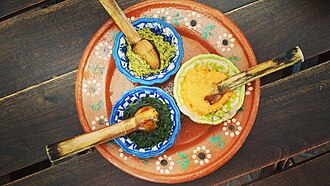
Photo: Wikipedia
A vibrant, chunky blend of diced tomatoes, onions, peppers, and cilantro, ready-to-serve salsa delivers a bright, tangy, and mildly spicy kick with a fresh, slightly crisp texture. Its standout nutritional feature is its very low calorie density (just 29 kcal per 100g), making it a flavorful way to add volume and fiber (1.8g) to meals without significant energy intake.
💚 Why it's loved
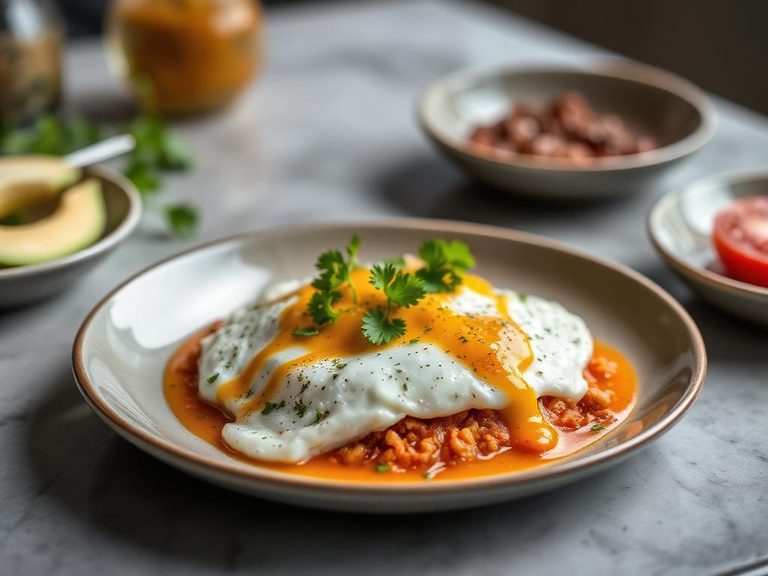
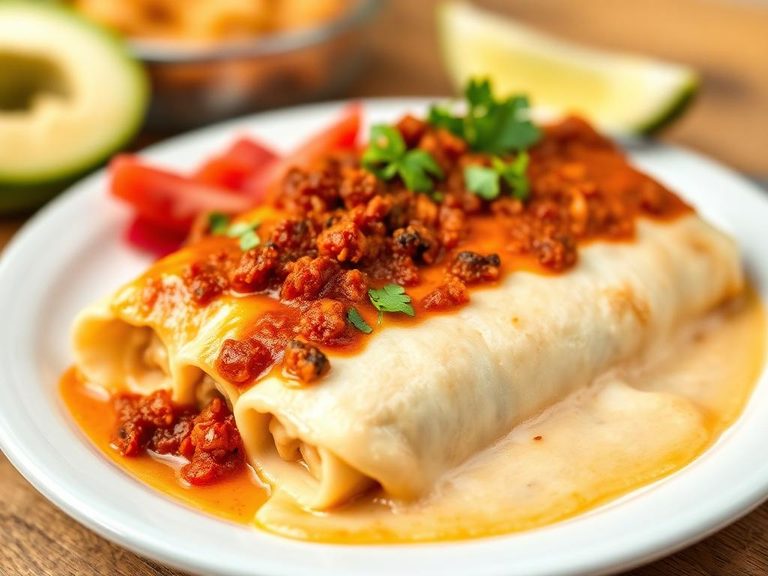
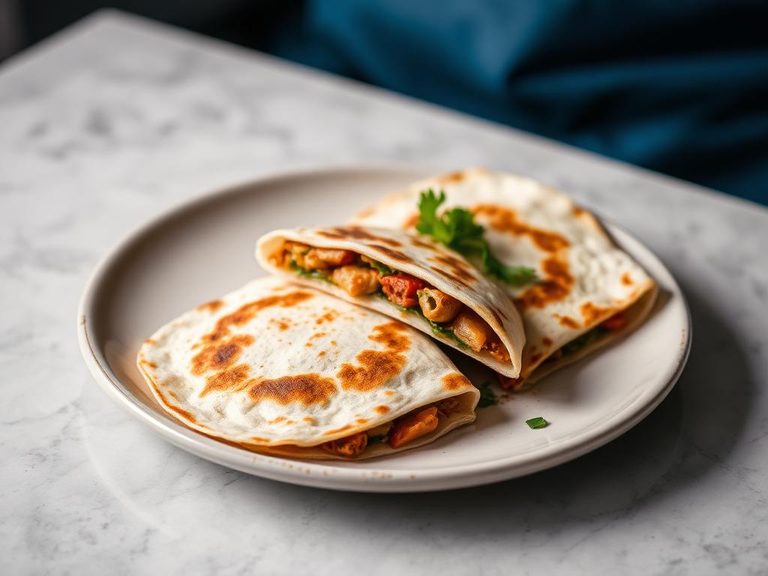
People love it for its explosive, fresh flavor that can instantly brighten a dish, and its incredible versatility as a dip, topping, or ingredient in everything from eggs to tacos. It's deeply tied to Mexican and Tex-Mex culinary culture, representing a communal, vibrant eating experience.
⚠️ Watch-outs & how to enjoy it better
The primary concern is often high sodium content in commercial brands, which can be an issue for blood pressure management. To counteract this, look for 'low sodium' versions, rinse it briefly if very salty, or use smaller portions as a flavor accent rather than a main dip. Some may also find the acidity or spice level irritating for acid reflux; pairing with a starchy food like tortilla chips can help buffer this.
Key benefits
- Extremely low calorie and fat content
- Good source of dietary fiber
- Provides vitamin C and lycopene from tomatoes
- Adds flavor without added sugar
- Versatile condiment for many dishes
🍽️ Popular dishes
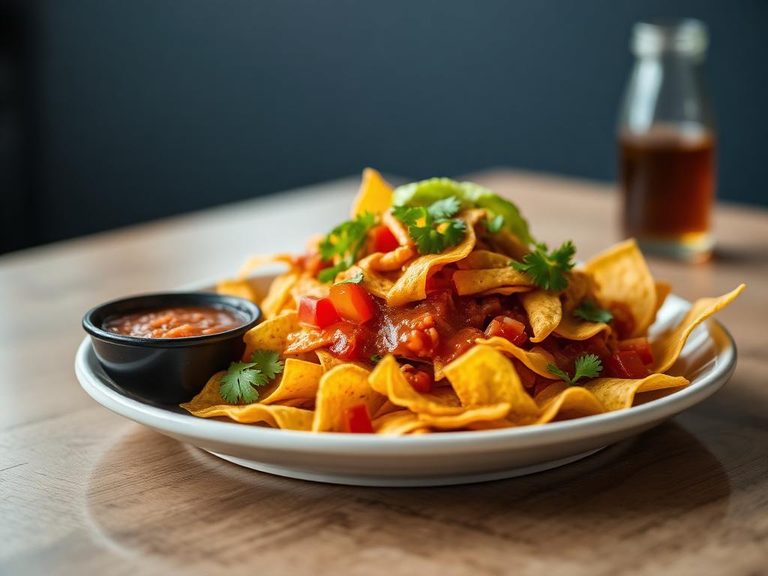
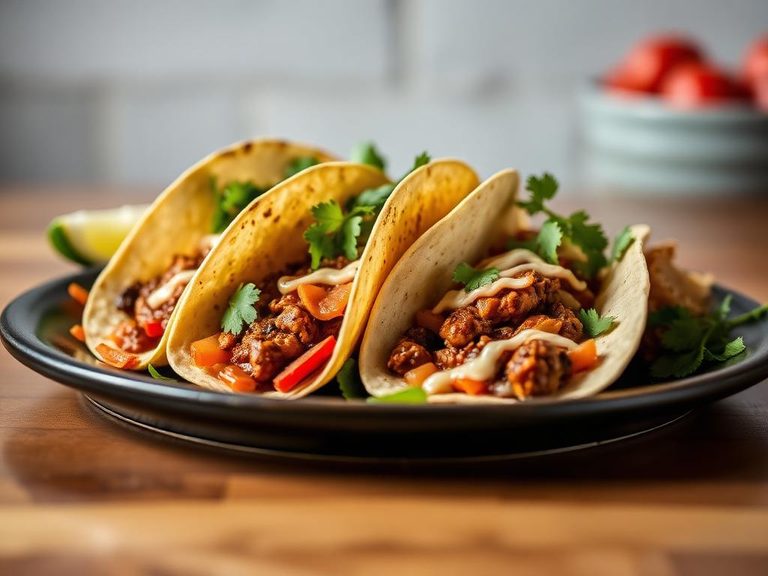
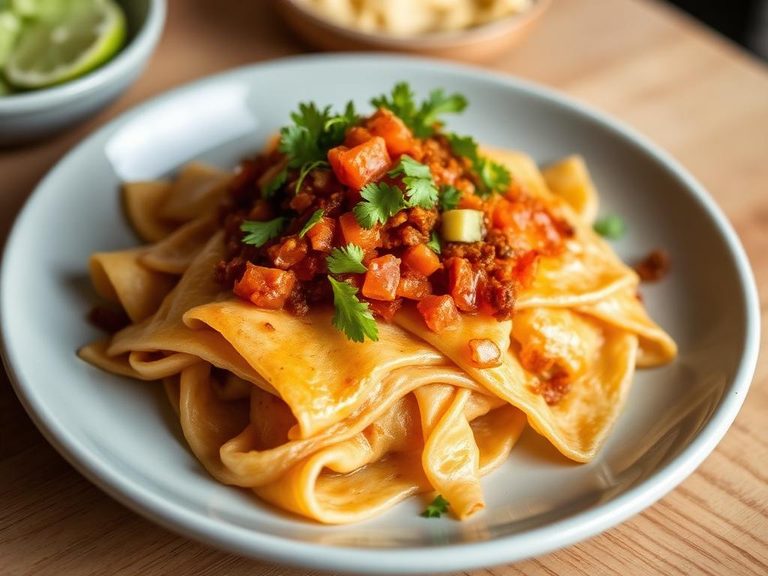
🌍 Where it's eaten
💡 Did you know?
The word 'salsa' simply means 'sauce' in Spanish, and the concept of combining tomatoes, chiles, and other ingredients is ancient, with predecessors like Aztec 'salsa' made from tomatoes, squash seeds, and chili peppers.
Full nutrition (scales with serving)
| Water | 89.3 g |
| Energy | 29.0 kcal |
| Energy | 122 kj |
| Nitrogen | 0.23 g |
| Protein | 1.4 g |
| Total lipid (fat) | 0.19 g |
| Ash | 2.3 g |
| Carbohydrate, by difference | 6.7 g |
| Carbohydrate, by summation | 5.7 g |
| Fiber, total dietary | 1.8 g |
| Sugars, Total | 3.8 g |
| Sucrose | 0.20 g |
| Glucose | 1.6 g |
| Fructose | 2.0 g |
| Lactose | 0.00 g |
| Maltose | 0.00 g |
| Galactose | 0.00 g |
| Starch | 0.00 g |
| Calcium, Ca | 28.0 mg |
| Iron, Fe | 0.42 mg |
| Magnesium, Mg | 15.2 mg |
| Phosphorus, P | 32.0 mg |
| Potassium, K | 258 mg |
| Sodium, Na | 656 mg |
| Zinc, Zn | 0.20 mg |
| Copper, Cu | 0.07 mg |
| Manganese, Mn | 0.11 mg |
| Thiamin | 0.04 mg |
| Niacin | 1.1 mg |
| Pantothenic acid | 0.20 mg |
| Vitamin B-6 | 0.18 mg |
| Vitamin A, RAE | 24.0 ug |
| Carotene, beta | 288 ug |
| Carotene, alpha | 0.00 ug |
| Cryptoxanthin, beta | 0.00 ug |
| Lycopene | 6310 ug |
| Lutein + zeaxanthin | 211 ug |
| Vitamin E (alpha-tocopherol) | 1.2 mg |
| Tocopherol, beta | 0.03 mg |
| Tocopherol, gamma | 0.14 mg |
| Tocopherol, delta | 0.00 mg |
| Tocotrienol, alpha | 0.00 mg |
| Tocotrienol, beta | 0.43 mg |
| Tocotrienol, gamma | 0.00 mg |
| Tocotrienol, delta | 0.01 mg |
| Vitamin K (phylloquinone) | 4.2 ug |
FAQ
Is ready-to-serve salsa healthy?
It can be a very healthy choice due to its low calorie, low fat, and fiber content, providing vitamins from fresh vegetables. However, check the label for sodium and added sugars, as levels can vary significantly between brands.
How long does opened jarred salsa last?
Once opened, it should be refrigerated in a sealed container and is generally best used within 5-7 days for optimal freshness and safety.
What's the difference between salsa and pico de gallo?
Pico de gallo is a type of fresh, uncooked salsa (also called salsa fresca) made with chopped raw ingredients like tomato, onion, cilantro, and jalapeño. 'Salsa' is a broader term that can include cooked, blended, or canned versions.