

Salad dressing, french, cottonseed, oil, home recipe
Whole food · Fats and Oils

Photo: Wikipedia
This is a rich, creamy, and tangy homemade French dressing, characterized by its deep orange-red hue and velvety texture. It's an emulsion primarily of oil and acidic ingredients like vinegar or tomato, often sweetened with sugar and seasoned with spices. Nutritionally, it's an extremely calorie-dense condiment, composed almost entirely of fat, providing a substantial energy boost in small amounts.
Calorie split: 0% protein · 2% carbs · 98% fat
↓ Full nutrition💚 Why it's loved
People love it for its bold, sweet-tangy flavor and creamy consistency that clings perfectly to salad greens and fried foods. It's a nostalgic staple that transforms simple dishes like iceberg lettuce or fried chicken into something indulgent and satisfying.
⚠️ Watch-outs & how to enjoy it better
Its extremely high fat and calorie content can be a concern for those monitoring weight or heart health, and it often contains added sugars. To mitigate this, practice strict portion control (using 1-2 tablespoons max) and pair it with high-fiber vegetables or a lean protein source to balance the meal and slow fat absorption.
Key benefits
- Provides a concentrated source of energy from fats
- Enhances the palatability and enjoyment of vegetables and salads
- Contains fat-soluble vitamins from its oil base
- Acts as a vehicle for fat-soluble nutrient absorption (like vitamin K from greens)
- Offers a classic, nostalgic flavor profile for many
🍽️ Popular dishes
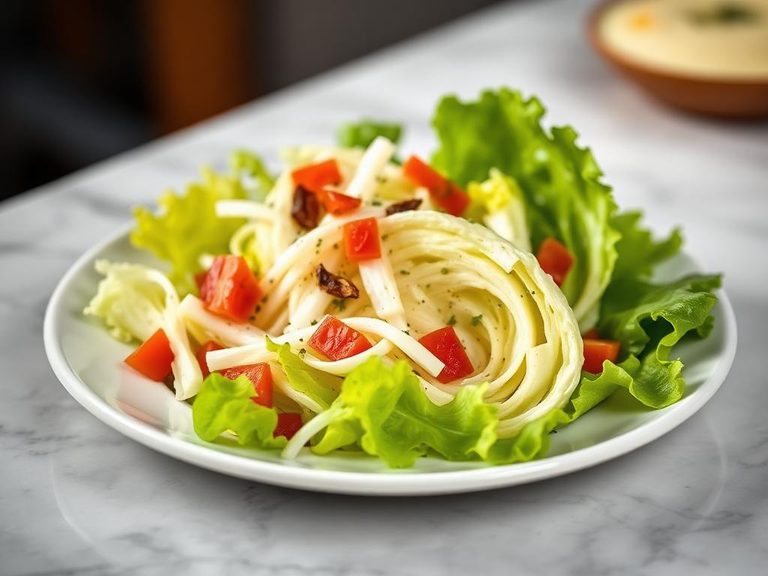
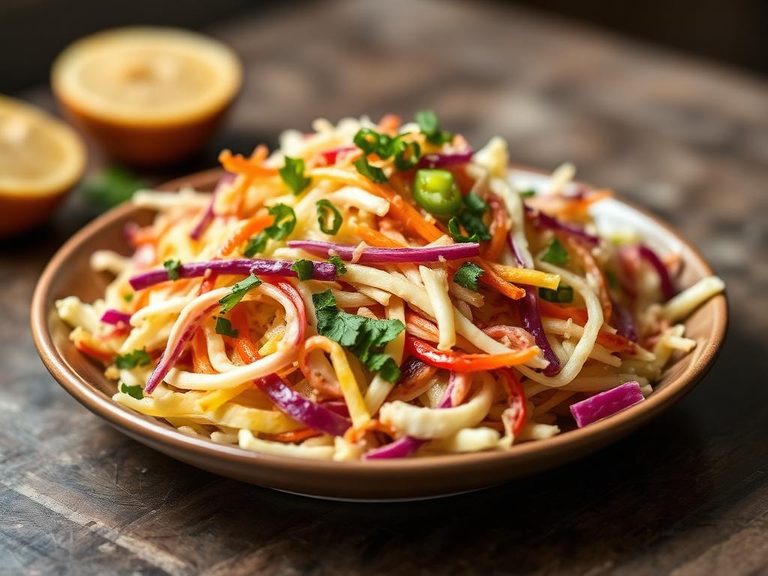


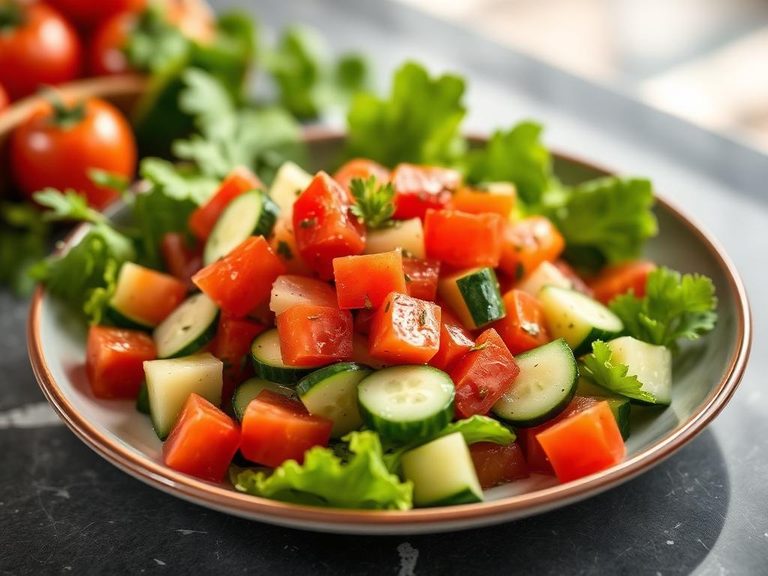
🌍 Where it's eaten
💡 Did you know?
Despite its name, 'French dressing' is largely an American invention, with its modern creamy, tomato-based version popularized in the mid-20th century and bearing little resemblance to traditional French vinaigrettes.
Full nutrition (USDA data · scales with serving)
| Water | 24.2 g |
| Energy | 631 kcal |
| Energy | 2640 kj |
| Protein | 0.10 g |
| Total lipid (fat) | 70.2 g |
| Ash | 1.8 g |
| Carbohydrate, by difference | 3.4 g |
| Fiber, total dietary | 0.00 g |
| Calcium, Ca | 6.0 mg |
| Iron, Fe | 0.20 mg |
| Phosphorus, P | 3.0 mg |
| Potassium, K | 24.0 mg |
| Sodium, Na | 658 mg |
| Selenium, Se | 1.6 ug |
| Vitamin C, total ascorbic acid | 0.00 mg |
| Thiamin | 0.01 mg |
| Riboflavin | 0.02 mg |
| Niacin | 0.13 mg |
| Vitamin A, RAE | 0.00 ug |
| Retinol | 0.00 ug |
| Vitamin A, IU | 0.00 iu |
Fat & fatty acid profile (per 100g)
| Fatty acids, total saturated | 18.2 g |
| Cholesterol | 0.00 mg |
Amino acid profile (per 100g)
Estimated from Salad dressing, sesame seed dressing, regular — USDA does not publish this profile for Salad dressing.
| Tryptophan | 0.05 g |
| Threonine | 0.05 g |
| Isoleucine | 0.05 g |
| Leucine | 0.08 g |
| Lysine | 0.14 g |
| Methionine | 0.03 g |
| Cystine | 0.00 g |
| Phenylalanine | 0.09 g |
| Tyrosine | 0.10 g |
| Valine | 0.07 g |
| Arginine | 0.40 g |
| Histidine | 0.03 g |
| Alanine | 0.00 g |
| Aspartic acid | 0.00 g |
| Glutamic acid | 0.46 g |
| Glycine | 0.00 g |
| Proline | 0.00 g |
| Serine | 0.00 g |
FAQ
What makes French dressing different from Catalina or Russian dressing?
French dressing is typically sweeter and tangier with a smoother, creamier texture, while Catalina is thinner and more tomato-forward, and Russian dressing is spicier with a horseradish kick.
Is this dressing gluten-free?
Homemade versions are typically gluten-free, but store-bought brands may contain thickeners or additives with gluten, so always check the label.
Can I use this dressing as a marinade?
Yes, its high oil and acid content makes it an excellent marinade for chicken or pork, but marinate for no more than 2 hours to prevent the meat from becoming too soft.
Nutrient density (calculated · NRF9.3)
Nutrient Rich Foods index: beneficial nutrients (protein, fiber, vitamins, minerals) minus saturated fat, added sugar & sodium, per 100 kcal.
NRF9.3 index — Fulgoni, Keast & Drewnowski, 2009. Computed from USDA nutrients.
Weight-loss friendliness (composite index)
Energy density 6.31 kcal/g · 0% calories from protein · 0.0 g fiber · 0.0 g sugar per 100 g.
Composite of energy density (Rolls et al., 1999), protein & fiber satiety, minus sugar. A calculated heuristic — ranks satiety-per-calorie, not a clinical measure.
Dietary load (calculated from USDA values)
Potential renal acid load. Positive = acid-forming, negative = alkaline-forming.
Sodium-to-potassium ratio: 27.42 (lower is better — aim for ≤ 1)
Sodium:potassium per WHO potassium guidance. Computed from USDA nutrients.