

Sesbania flower, cooked, steamed, without salt
Whole food · Vegetables and Vegetable Products

Photo: Wikipedia
Sesbania flowers, known as 'Agathi' in South India, are delicate, bright yellow-orange blossoms with a subtly bitter, herbaceous flavor and a soft, slightly chewy texture when steamed. At just 22 kcal per 100g, they are an exceptionally light, nutrient-dense addition to curries and stir-fries, offering a modest 1.14g of protein. Their mild bitterness is often balanced by the rich, savory spices of the dishes they inhabit.
Calorie split: 18% protein · 81% carbs · 2% fat
↓ Full nutrition💚 Why it's loved
People love Sesbania flowers for their unique, slightly bitter taste that adds depth and complexity to savory dishes. They are cherished in South Indian and Southeast Asian cuisines for their ability to absorb flavors and their cultural significance in traditional home cooking.
⚠️ Watch-outs & how to enjoy it better
The inherent bitterness can be off-putting to those unaccustomed to it, and the flowers contain oxalates which may be a concern for individuals prone to kidney stones. To counteract bitterness, pair them with tangy ingredients like tamarind or lime, and ensure they are cooked thoroughly to soften the texture. For oxalate concerns, blanching the flowers before cooking can help reduce their content.
Key benefits
- Extremely low in calories and fat, ideal for weight management.
- Provides a good source of plant-based protein and carbohydrates.
- Rich in antioxidants and traditionally valued for its cooling properties.
- A natural, whole-food source of vitamins and minerals.
🍽️ Popular dishes
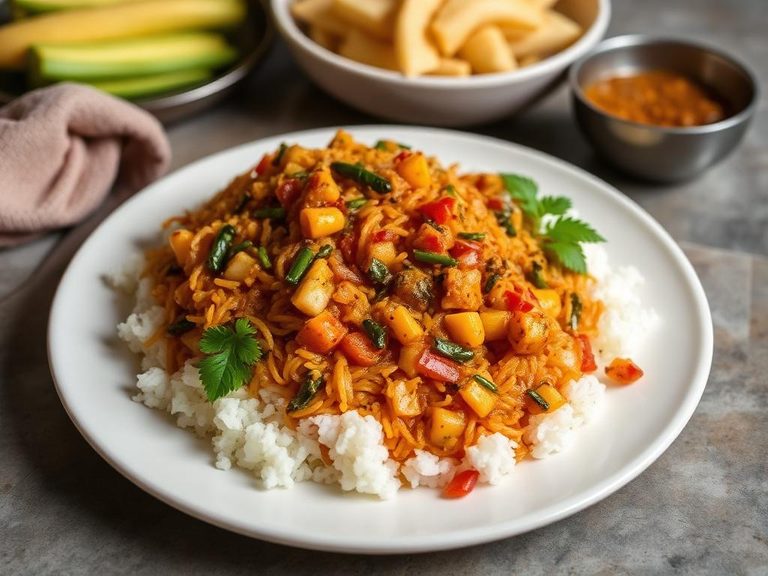
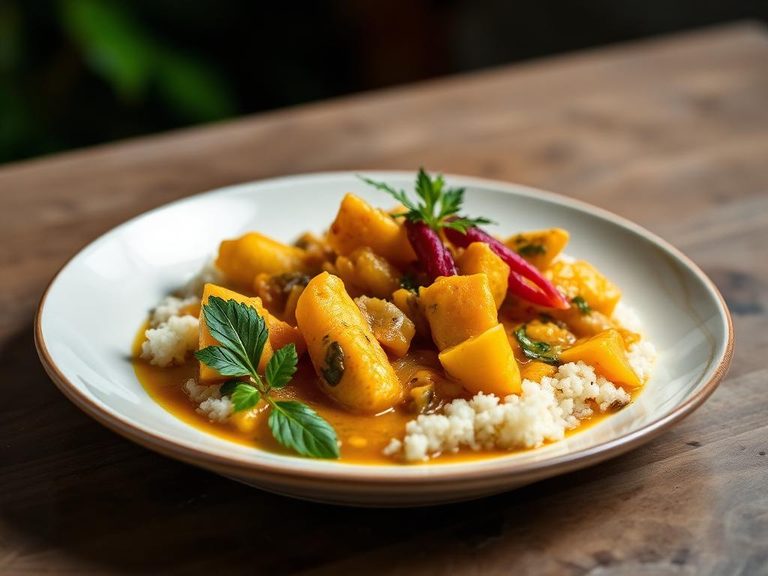
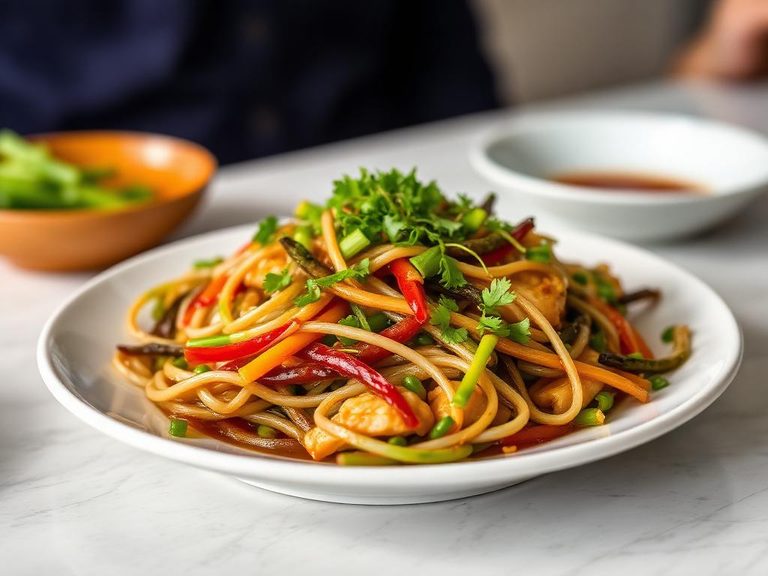
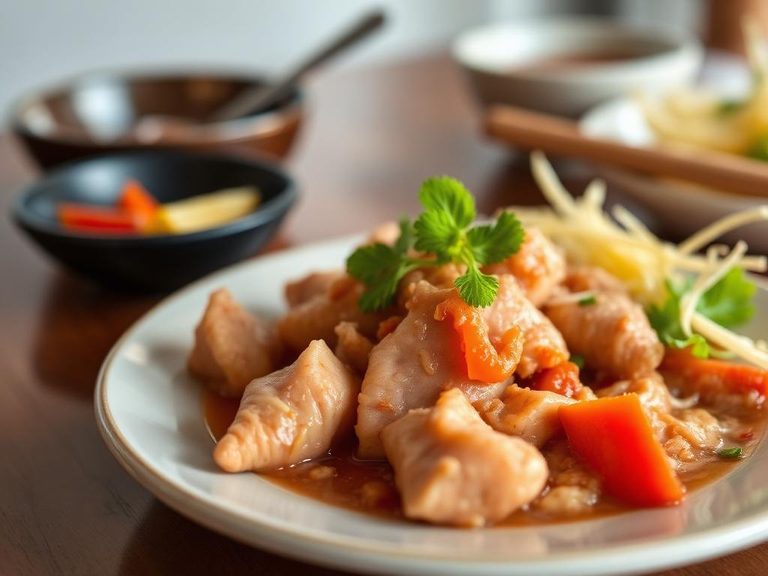
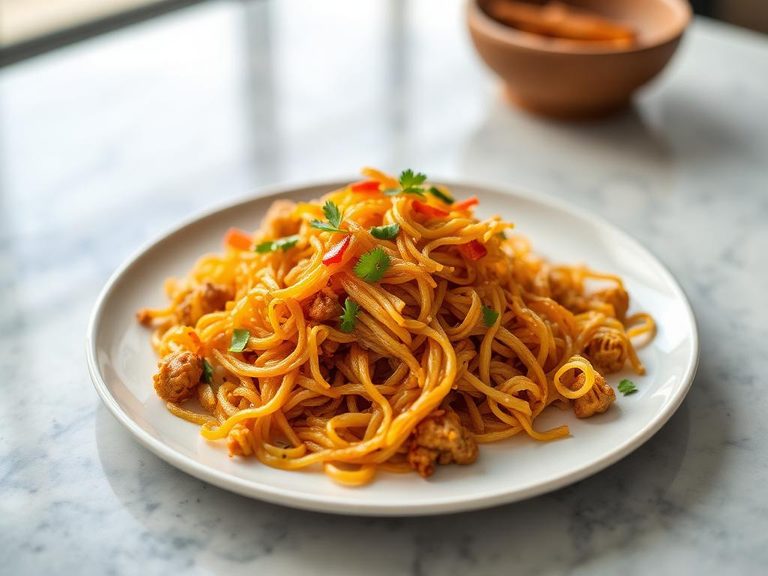
🌍 Where it's eaten
💡 Did you know?
The Sesbania flower is not just edible but also a traditional remedy in Ayurveda, believed to help manage blood sugar levels and support respiratory health.
Full nutrition (USDA data · scales with serving)
| Water | 93.3 g |
| Energy | 22.0 kcal |
| Energy | 92.0 kj |
| Protein | 1.1 g |
| Total lipid (fat) | 0.05 g |
| Ash | 0.28 g |
| Carbohydrate, by difference | 5.2 g |
| Calcium, Ca | 22.0 mg |
| Iron, Fe | 0.56 mg |
| Magnesium, Mg | 12.0 mg |
| Phosphorus, P | 21.0 mg |
| Potassium, K | 107 mg |
| Sodium, Na | 11.0 mg |
| Selenium, Se | 0.70 ug |
| Vitamin C, total ascorbic acid | 37.0 mg |
| Thiamin | 0.05 mg |
| Riboflavin | 0.04 mg |
| Niacin | 0.25 mg |
| Folate, total | 57.0 ug |
| Folic acid | 0.00 ug |
| Folate, food | 57.0 ug |
| Folate, DFE | 57.0 ug |
| Vitamin B-12 | 0.00 ug |
| Vitamin A, RAE | 0.00 ug |
| Retinol | 0.00 ug |
| Vitamin A, IU | 0.00 iu |
| Vitamin D (D2 + D3), International Units | 0.00 iu |
| Vitamin D (D2 + D3) | 0.00 ug |
Fat & fatty acid profile (per 100g)
| Fatty acids, total trans | 0.00 g |
| Cholesterol | 0.00 mg |
Amino acid profile (per 100g)
| Tryptophan | 0.02 g |
| Threonine | 0.05 g |
| Isoleucine | 0.06 g |
| Leucine | 0.10 g |
| Lysine | 0.06 g |
| Methionine | 0.01 g |
| Cystine | 0.01 g |
| Phenylalanine | 0.06 g |
| Valine | 0.07 g |
| Arginine | 0.06 g |
| Histidine | 0.02 g |
FAQ
What do Sesbania flowers taste like?
They have a mildly bitter, herbaceous flavor with a soft, slightly chewy texture when cooked. The bitterness is often balanced with spices or tangy ingredients.
Are Sesbania flowers safe to eat raw?
While some cultures consume them raw in salads, it is more common and safer to cook them, as cooking reduces bitterness and makes the nutrients more bioavailable.
How do I reduce the bitterness of Sesbania flowers?
You can blanch them in boiling water for a minute before cooking, or pair them with souring agents like tamarind, lemon, or tomatoes to balance the flavor.
Nutrient density (calculated · NRF9.3)
Nutrient Rich Foods index: beneficial nutrients (protein, fiber, vitamins, minerals) minus saturated fat, added sugar & sodium, per 100 kcal.
NRF9.3 index — Fulgoni, Keast & Drewnowski, 2009. Computed from USDA nutrients.
Weight-loss friendliness (composite index)
Energy density 0.22 kcal/g · 21% calories from protein · 0.0 g fiber · 0.0 g sugar per 100 g.
Composite of energy density (Rolls et al., 1999), protein & fiber satiety, minus sugar. A calculated heuristic — ranks satiety-per-calorie, not a clinical measure.
Dietary load (calculated from USDA values)
Potential renal acid load. Positive = acid-forming, negative = alkaline-forming.
Sodium-to-potassium ratio: 0.10 (lower is better — aim for ≤ 1)
Sodium:potassium per WHO potassium guidance. Computed from USDA nutrients.