

Seal, ringed, liver (Alaska Native)
Whole food · American Indian/Alaska Native Foods

Photo: Wikipedia
Ringed seal liver is a dense, nutrient-rich organ meat prized in Arctic cuisines, with a smooth, creamy texture and a deep, iron-rich flavor reminiscent of high-quality beef liver but with a distinct, slightly sweet marine note. It is exceptionally high in protein and a powerhouse of fat-soluble vitamins, particularly vitamin A and D, making it a traditional survival food for its concentrated energy and micronutrients.
Calorie split: 64% protein · 10% carbs · 26% fat
↓ Full nutrition💚 Why it's loved
It is deeply valued for its profound, savory umami flavor and silky, melt-in-the-mouth texture when prepared correctly. For many Alaska Native communities, it represents a vital connection to cultural heritage, subsistence living, and the nutritional bounty of the Arctic marine environment.
⚠️ Watch-outs & how to enjoy it better
The extremely high vitamin A content means overconsumption can lead to hypervitaminosis A; strict portion control is essential. Its strong, distinct flavor and organ meat texture are not palatable to all. To mitigate, serve in small, traditional portions (e.g., 1-2 oz) and pair with mild, starchy sides like rice or bannock to balance the richness.
Key benefits
- Exceptionally high in bioavailable protein (18.6g per 100g).
- One of the richest natural sources of preformed vitamin A (retinol).
- Excellent source of vitamin D, crucial in low-sunlight Arctic regions.
- Provides essential minerals like iron, copper, and selenium.
- Dense calorie source (116 kcal per 100g) for energy in harsh climates.
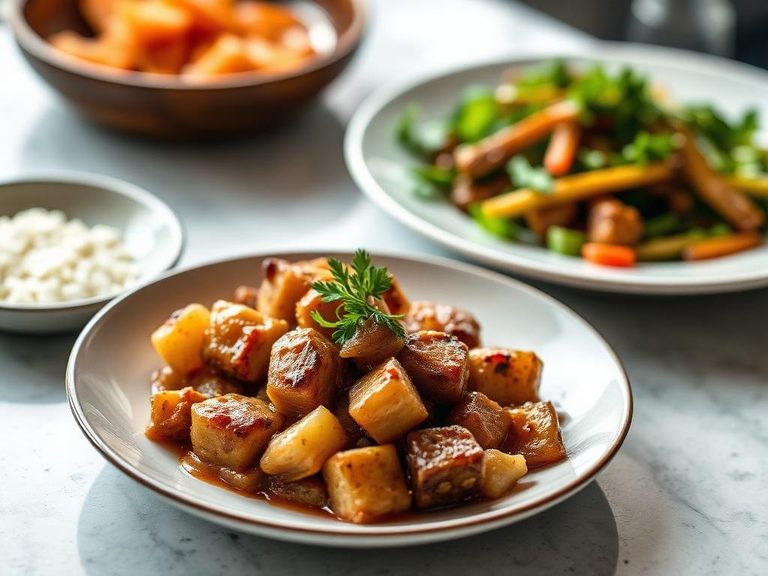
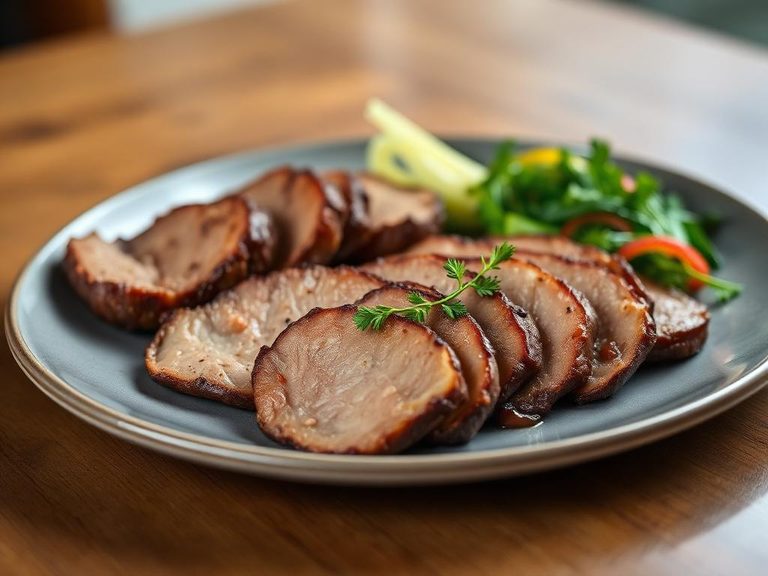
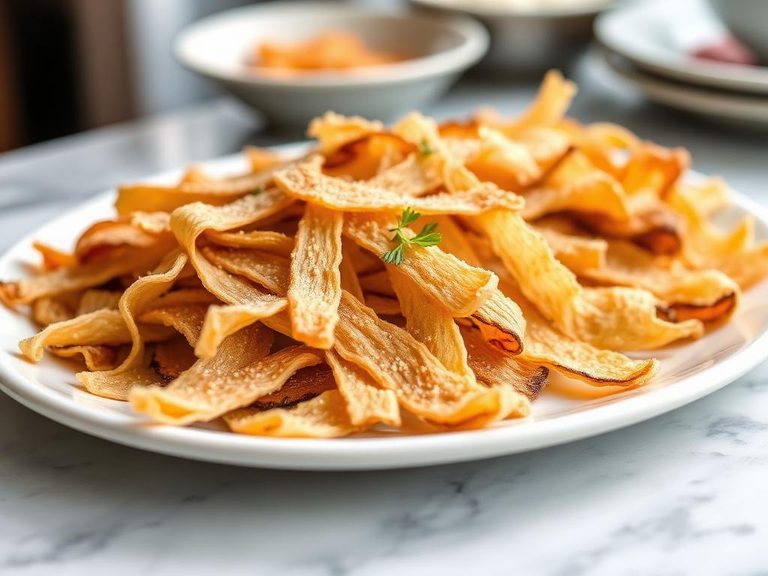
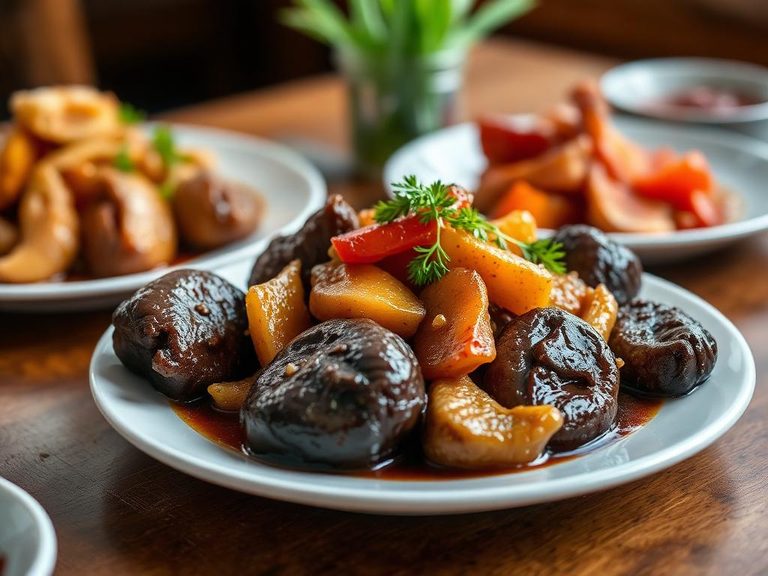
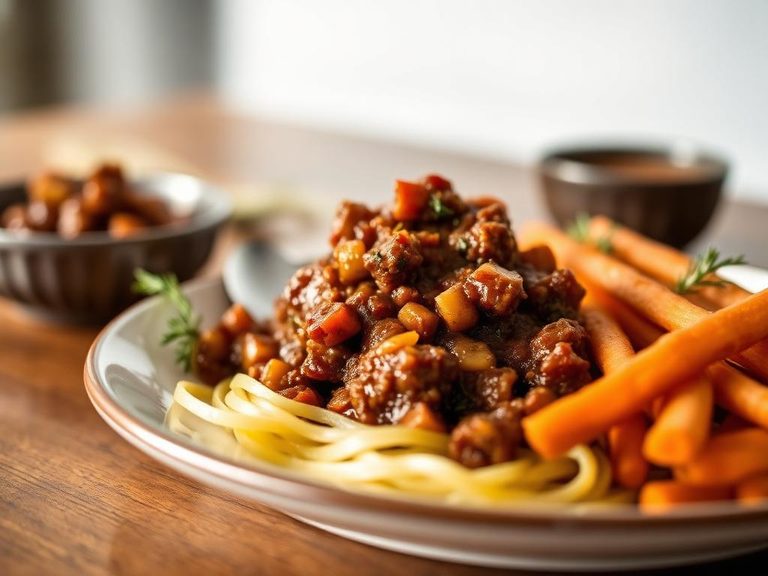
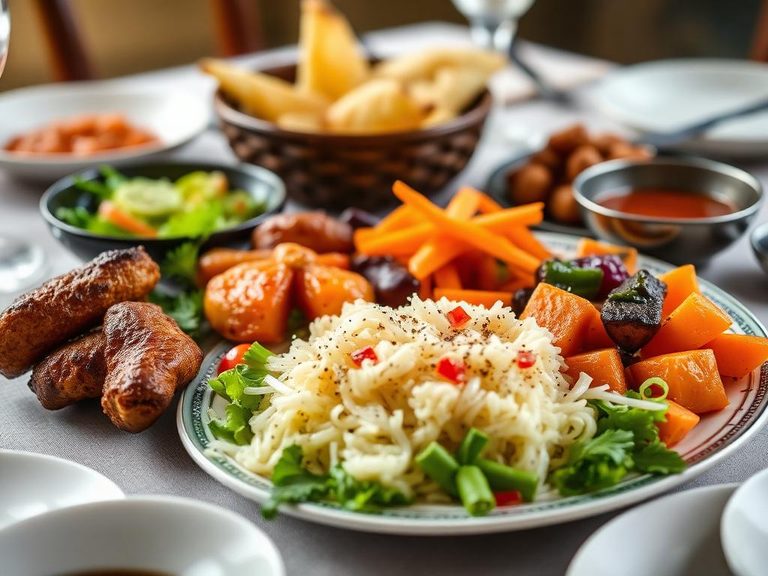
🍽️ Popular dishes
🌍 Where it's eaten
💡 Did you know?
A single 100g serving of ringed seal liver can contain over 10,000% of the daily recommended value of vitamin A, making it one of the most potent natural sources on the planet.
Full nutrition (USDA data · scales with serving)
| Water | 74.2 g |
| Energy | 116 kcal |
| Energy | 484 kj |
| Protein | 18.6 g |
| Total lipid (fat) | 3.3 g |
| Ash | 1.0 g |
| Carbohydrate, by difference | 2.9 g |
| Calcium, Ca | 13.0 mg |
| Iron, Fe | 13.5 mg |
| Phosphorus, P | 3.0 mg |
| Thiamin | 0.18 mg |
| Vitamin A, RAE | 4880 ug |
| Vitamin A, IU | 36600 iu |
Fat & fatty acid profile (per 100g)
| Fatty acids, total saturated | 1.2 g |
| Fatty acids, total monounsaturated | 1.1 g |
| Fatty acids, total polyunsaturated | 1.0 g |
| PUFA 18:2 | 0.06 g |
| PUFA 18:3 | 0.01 g |
Amino acid profile (per 100g)
Estimated from Seal, bearded (Oogruk), meat, partially dried (Alaska Native) — USDA does not publish this profile for Seal.
| Tryptophan | 0.60 g |
| Threonine | 2.4 g |
| Isoleucine | 2.4 g |
| Leucine | 4.8 g |
| Lysine | 5.1 g |
| Methionine | 1.3 g |
| Cystine | 0.34 g |
| Phenylalanine | 2.5 g |
| Tyrosine | 1.6 g |
| Valine | 2.4 g |
| Arginine | 3.5 g |
| Histidine | 2.2 g |
| Alanine | 3.6 g |
| Aspartic acid | 5.2 g |
| Glutamic acid | 8.3 g |
| Glycine | 3.3 g |
| Proline | 2.9 g |
| Serine | 2.3 g |
FAQ
Is it safe to eat raw?
In traditional practice, it is often eaten raw, frozen, or dried. However, as with any wild game, there is a risk of parasites or bacteria. Freezing to specific temperatures (-31°F/-35°C for 15 hours) is a traditional and effective method for parasite control.
Why is it so high in vitamin A?
As a marine mammal liver, it accumulates fat-soluble vitamins from the seal's diet of fish and invertebrates. Vitamin A is stored in the liver, and Arctic species like the ringed seal have exceptionally high concentrations as an adaptation to their environment.
How does it compare to beef liver nutritionally?
While both are nutrient-dense, ringed seal liver is significantly higher in vitamin A and vitamin D, reflecting its Arctic marine diet. It has a similar protein content but is lower in total fat and carbohydrates than typical beef liver.
Weight-loss friendliness (composite index)
Energy density 1.16 kcal/g · 64% calories from protein · 0.0 g fiber · 0.0 g sugar per 100 g.
Composite of energy density (Rolls et al., 1999), protein & fiber satiety, minus sugar. A calculated heuristic — ranks satiety-per-calorie, not a clinical measure.