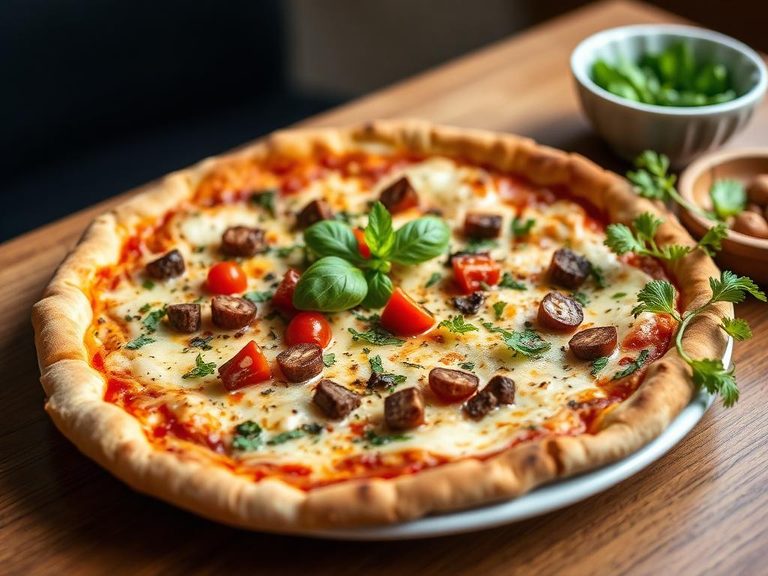
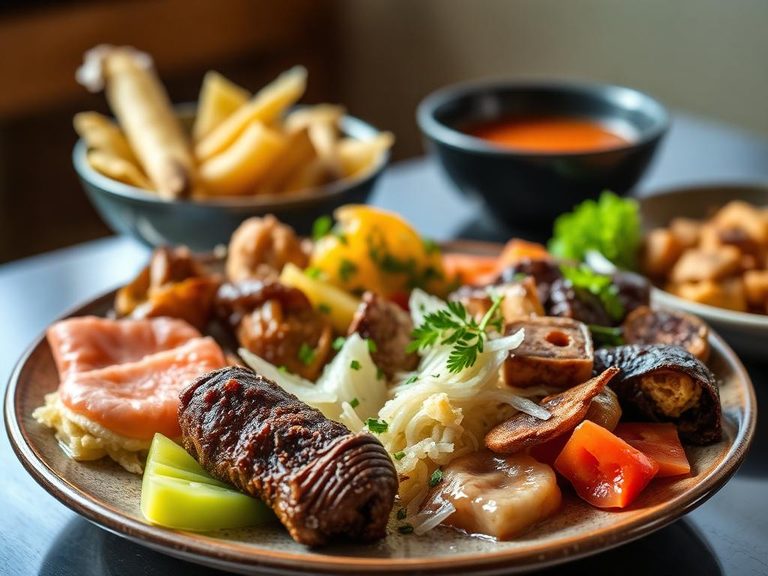
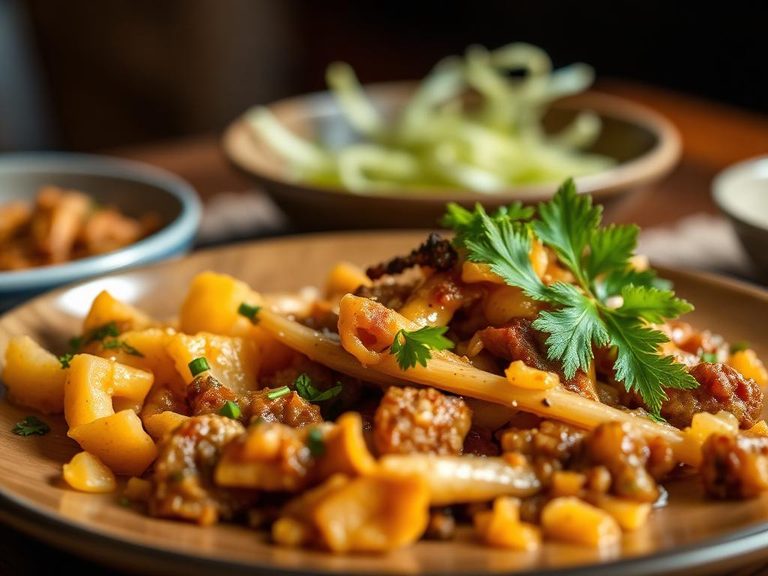
Traditional celebratory feast food
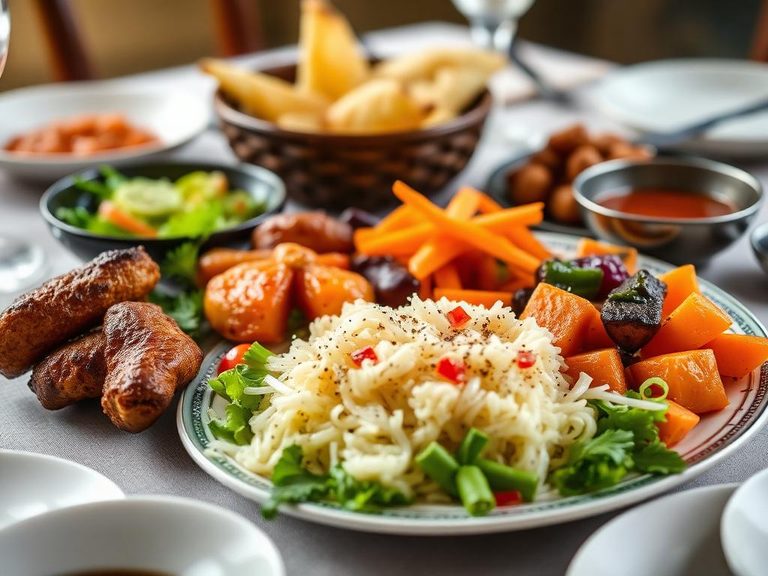
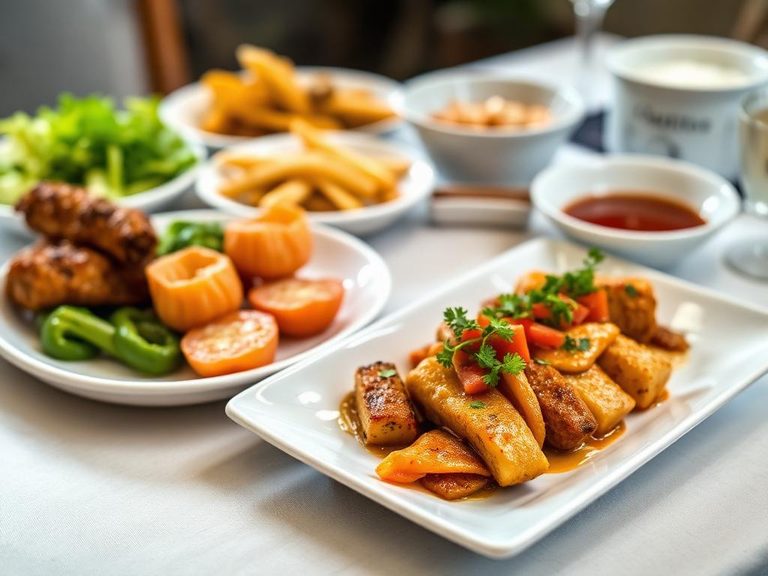
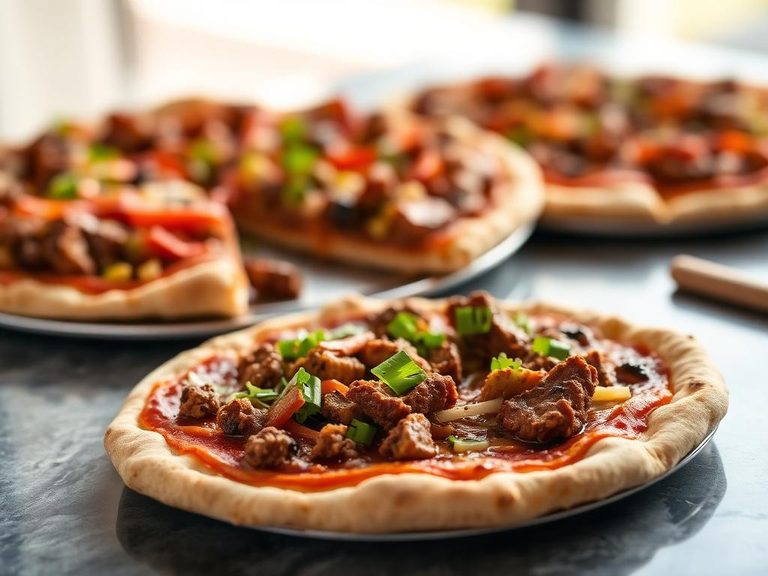
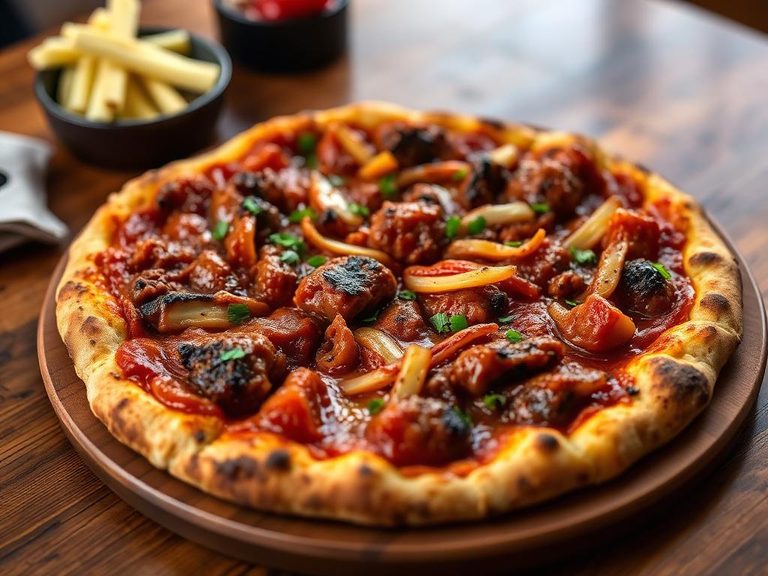
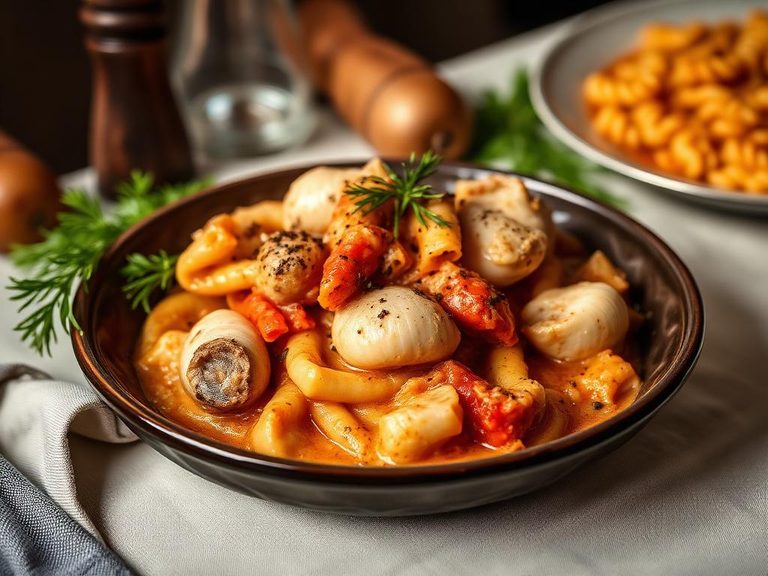
This is a general category referring to festive, communal dishes served during major celebrations like Lunar New Year, weddings, or harvest festivals. It typically features a rich combination of proteins (like pork, chicken, or fish) and auspicious vegetables or grains, symbolizing prosperity, unity, and good fortune. The specific dish varies widely by region and culture, but the core concept is a hearty, shared meal meant to bring people together.
🍽️ Nutrition at a glance
As a celebratory feast, this dish is generally high in both protein and fat, with a significant carbohydrate component from rice, noodles, or buns. It provides a dense source of energy, along with key nutrients like iron, B vitamins, and zinc from the meats, and fiber and vitamins from the accompanying vegetables. A typical serving can range from 500 to 800 kcal, depending on the specific recipe and portion size.
Nutrition breakdown
| Calories | 650 kcal |
| Protein | 35 g |
| Carbs | 50 g |
| Fat | 32 g |
| Fiber | 5 g |
| Sugar | 8 g |
| Sodium | 900 mg |
| Iron | 4.5 mg |
| Vitamin B12 | 2.8 mcg |
| Zinc | 5.2 mg |
| Potassium | 480 mg |
| Vitamin A | 150 mcg RAE |
| Selenium | 38 mcg |
| Phosphorus | 320 mg |
| Niacin (B3) | 8 mg |
Per 1 plate (350 g) · estimated, varies by recipe
💡 What's interesting
The composition of the dish is often deeply symbolic; for example, whole fish represents surplus, noodles symbolize longevity, and round foods signify family unity. Nutritionally, it represents a traditional model of a balanced, celebratory meal where nutrient-dense animal proteins are paired with plant-based ingredients in a communal setting.