

Pork, ground, raw
Whole food · Pork Products
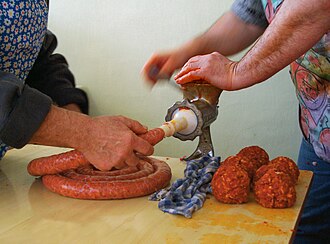
Photo: Wikipedia
Ground pork is fresh, raw pork that has been mechanically minced into a coarse, pebbly texture. It has a mild, savory flavor that acts as a blank canvas for spices and sauces, with a rich, fatty mouthfeel when cooked. Nutritionally, it's a powerhouse of protein (17.8g per 100g) and provides essential B vitamins and minerals like zinc, though it's also high in fat.
Calorie split: 31% protein · 0% carbs · 69% fat
↓ Full nutrition💚 Why it's loved
People love ground pork for its incredible versatility and ability to absorb flavors, making it the foundation for countless global comfort foods. Its fat content ensures dishes remain juicy and rich, which is key to its popularity in everything from dumplings to meatballs.
⚠️ Watch-outs & how to enjoy it better
Its high saturated fat content can be a concern for heart health if consumed excessively. To balance this, pair it with plenty of fiber-rich vegetables in dishes like stir-fries or lettuce wraps, and opt for leaner grinds when possible. Always ensure it's cooked thoroughly to an internal temperature of 160°F (71°C) to eliminate any risk of foodborne illness.
Key benefits
- Excellent source of complete protein for muscle maintenance.
- Rich in B vitamins (especially B12 and niacin) for energy metabolism.
- Provides essential minerals like zinc and selenium for immune function.
- High fat content makes it very satiating and flavorful.
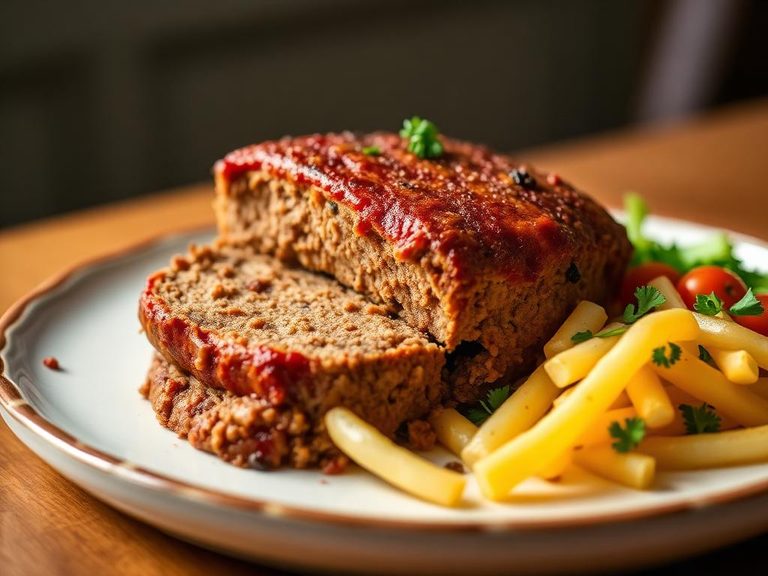
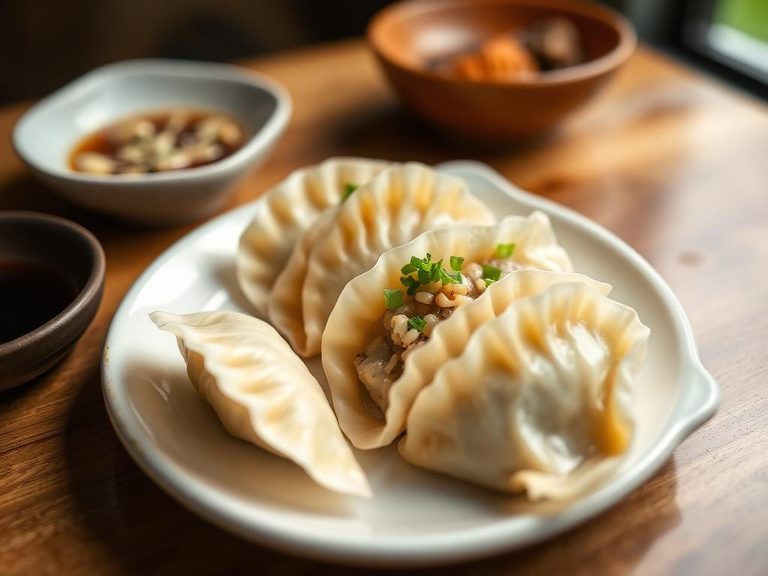
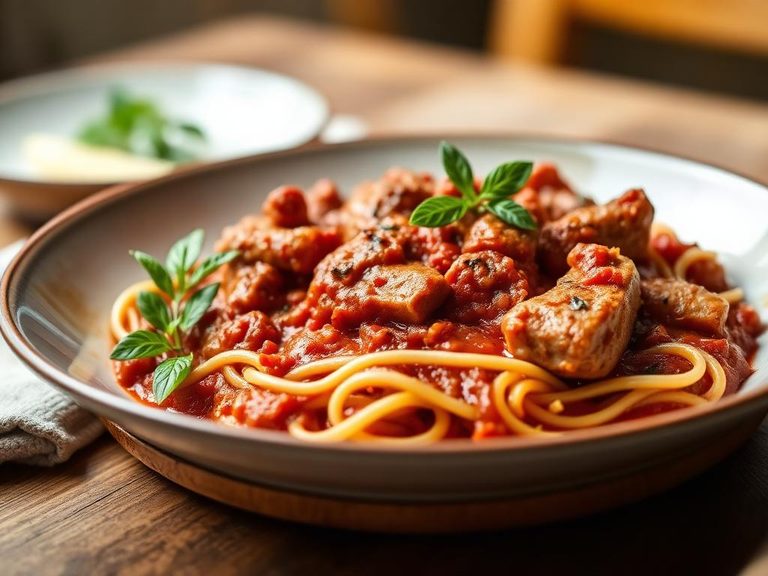
🍽️ Popular dishes
🌍 Where it's eaten
💡 Did you know?
In many traditional Chinese cuisines, the fat-to-lean ratio is carefully specified for different dishes; a 3:7 ratio is often ideal for tender, juicy dumplings.
Full nutrition (USDA data · scales with serving)
| Water | 63.9 g |
| Energy (Atwater General Factors) | 228 kcal |
| Energy (Atwater Specific Factors) | 233 kcal |
| Nitrogen | 2.8 g |
| Protein | 17.8 g |
| Total lipid (fat) | 17.5 g |
| Ash | 0.92 g |
| Carbohydrate, by difference | 0.00 g |
| Calcium, Ca | 5.9 mg |
| Iron, Fe | 0.79 mg |
| Magnesium, Mg | 19.0 mg |
| Phosphorus, P | 173 mg |
| Potassium, K | 318 mg |
| Sodium, Na | 53.6 mg |
| Zinc, Zn | 2.2 mg |
| Copper, Cu | 0.07 mg |
| Manganese, Mn | 0.00 mg |
Fat & fatty acid profile (per 100g)
| Fatty acids, total saturated | 6.3 g |
| Fatty acids, total monounsaturated | 7.8 g |
| Fatty acids, total polyunsaturated | 2.6 g |
| Fatty acids, total trans | 0.07 g |
| Cholesterol | 71.2 mg |
Amino acid profile (per 100g)
Estimated from Pork, cured, salt pork, raw — USDA does not publish this profile for Pork.
| Tryptophan | 0.02 g |
| Threonine | 0.17 g |
| Isoleucine | 0.13 g |
| Leucine | 0.35 g |
| Lysine | 0.42 g |
| Methionine | 0.07 g |
| Cystine | 0.04 g |
| Phenylalanine | 0.19 g |
| Tyrosine | 0.08 g |
| Valine | 0.24 g |
| Arginine | 0.52 g |
| Histidine | 0.06 g |
| Alanine | 0.28 g |
| Aspartic acid | 0.42 g |
| Glutamic acid | 0.69 g |
| Glycine | 0.36 g |
| Proline | 0.27 g |
| Serine | 0.19 g |
FAQ
What's the difference between ground pork and pork sausage?
Ground pork is plain, unseasoned minced meat. Pork sausage has added salt, spices (like sage, fennel, or paprika), and sometimes other ingredients like sugar or preservatives.
How do I keep ground pork from being dry when cooked?
Avoid overcooking and over-handling the meat. For dishes like meatballs, adding a small amount of fat (like breadcrumbs soaked in milk) or using a higher-fat grind can help retain moisture.
Is ground pork safe to eat pink?
No. For safety, ground pork must be cooked to a safe internal temperature of 160°F (71°C), as measured with a food thermometer. The color can sometimes remain slightly pink even when fully cooked.
Nutrient density (calculated · NRF9.3)
Nutrient Rich Foods index: beneficial nutrients (protein, fiber, vitamins, minerals) minus saturated fat, added sugar & sodium, per 100 kcal.
NRF9.3 index — Fulgoni, Keast & Drewnowski, 2009. Computed from USDA nutrients.
Weight-loss friendliness (composite index)
Energy density 2.28 kcal/g · 31% calories from protein · 0.0 g fiber · 0.0 g sugar per 100 g.
Composite of energy density (Rolls et al., 1999), protein & fiber satiety, minus sugar. A calculated heuristic — ranks satiety-per-calorie, not a clinical measure.
Dietary load (calculated from USDA values)
Potential renal acid load. Positive = acid-forming, negative = alkaline-forming.
Sodium-to-potassium ratio: 0.17 (lower is better — aim for ≤ 1)
Sodium:potassium per WHO potassium guidance. Computed from USDA nutrients.