

Chicken, thigh, boneless, skinless, raw
Whole food · Poultry Products

Photo: Wikipedia
Boneless, skinless chicken thigh is a succulent, dark-meat cut prized for its rich, savory flavor and tender, juicy texture that stays moist even when overcooked. Nutritionally, it's a powerhouse of protein (18.6g per 100g) with a moderate fat content (7.9g) that contributes to its satisfying mouthfeel. It's a versatile, budget-friendly staple that delivers deep chicken flavor without the need for added fats or sauces.
Calorie split: 51% protein · 0% carbs · 49% fat
↓ Full nutrition💚 Why it's loved
People adore it for its unbeatable combination of deep, savory flavor and forgiving texture; it's the go-to cut for stir-fries, curries, and grills because it stays juicy and flavorful. Its versatility makes it a global kitchen workhorse, equally at home in a quick weeknight meal or a slow-simmered braise.
⚠️ Watch-outs & how to enjoy it better
While nutritious, its higher fat content (compared to breast) means it's slightly more calorie-dense, which some may watch for. To keep it healthy, use cooking methods like grilling, baking, or stir-frying with minimal added oil, and pair it with fiber-rich vegetables to create a balanced, satisfying meal.
Key benefits
- High-quality complete protein for muscle maintenance and satiety.
- Rich in B vitamins, especially niacin and B6, for energy metabolism.
- Contains minerals like zinc and selenium for immune function.
- More flavorful and forgiving to cook than breast meat due to higher fat content.
🍽️ Popular dishes

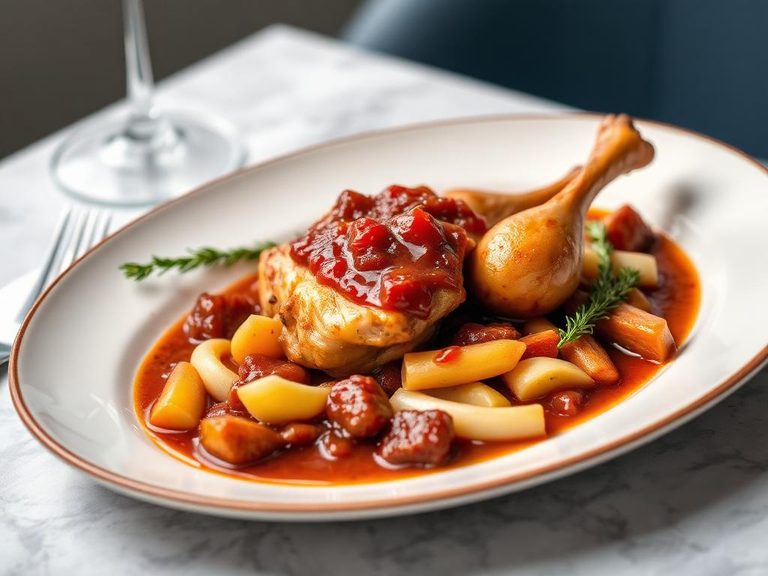
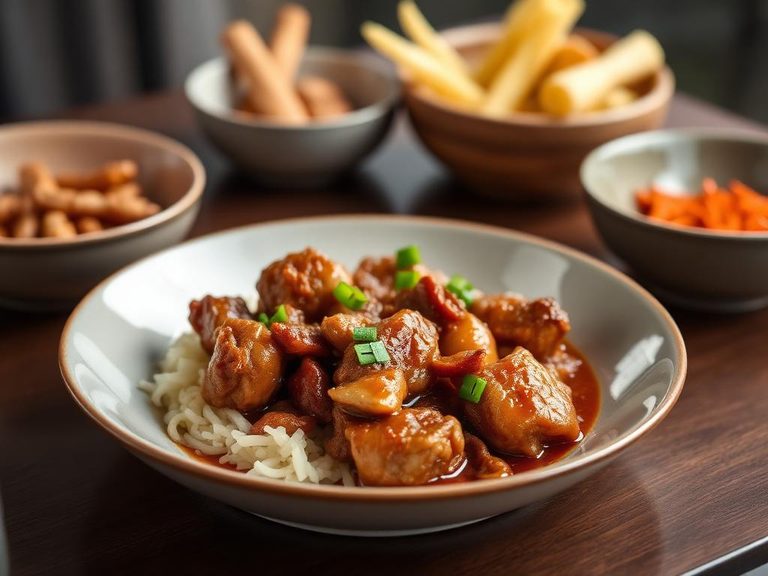
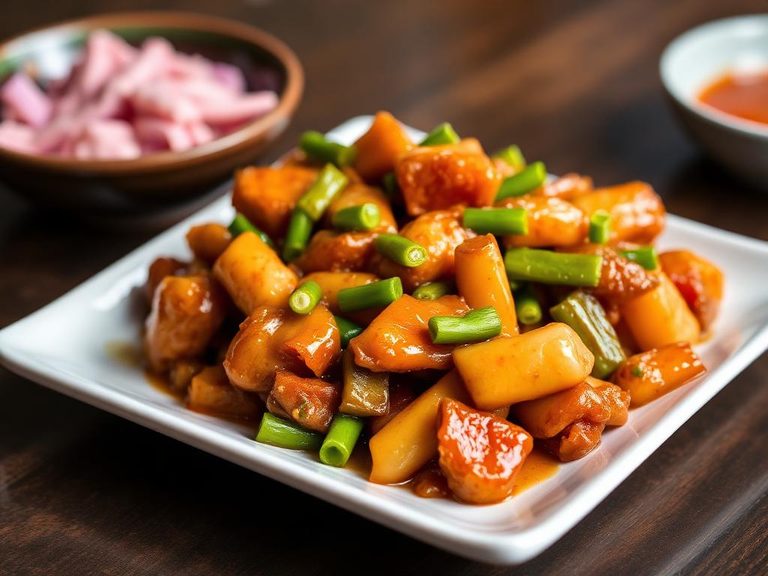

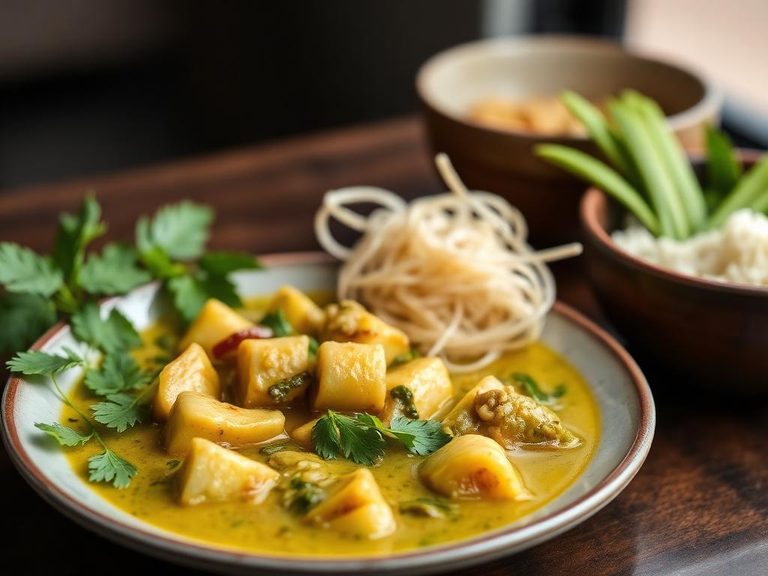
🌍 Where it's eaten
💡 Did you know?
Chicken thighs contain more myoglobin (a protein that stores oxygen in muscles) than breast meat, which is why they are darker in color and have a richer, more 'meaty' flavor.
Full nutrition (USDA data · scales with serving)
| Water | 72.9 g |
| Energy (Atwater General Factors) | 144 kcal |
| Energy (Atwater Specific Factors) | 149 kcal |
| Nitrogen | 3.0 g |
| Protein | 18.6 g |
| Total lipid (fat) | 7.9 g |
| Ash | 0.96 g |
| Carbohydrate, by difference | 0.00 g |
| Calcium, Ca | 5.7 mg |
| Iron, Fe | 0.60 mg |
| Magnesium, Mg | 21.8 mg |
| Phosphorus, P | 178 mg |
| Potassium, K | 272 mg |
| Sodium, Na | 62.3 mg |
| Zinc, Zn | 1.3 mg |
| Copper, Cu | 0.04 mg |
| Manganese, Mn | 0.00 mg |
Fat & fatty acid profile (per 100g)
| Fatty acids, total saturated | 1.7 g |
| Fatty acids, total monounsaturated | 2.2 g |
| Fatty acids, total polyunsaturated | 1.4 g |
| Fatty acids, total trans | 0.02 g |
| Cholesterol | 91.7 mg |
Amino acid profile (per 100g)
Estimated from Chicken, broilers or fryers, meat and skin and giblets and neck, raw — USDA does not publish this profile for Chicken.
| Tryptophan | 0.20 g |
| Threonine | 0.76 g |
| Isoleucine | 0.91 g |
| Leucine | 1.3 g |
| Lysine | 1.5 g |
| Methionine | 0.48 g |
| Cystine | 0.25 g |
| Phenylalanine | 0.72 g |
| Tyrosine | 0.59 g |
| Valine | 0.89 g |
| Arginine | 1.2 g |
| Histidine | 0.53 g |
| Alanine | 1.1 g |
| Aspartic acid | 1.6 g |
| Glutamic acid | 2.7 g |
| Glycine | 1.2 g |
| Proline | 0.91 g |
| Serine | 0.66 g |
FAQ
How is the nutrition different from chicken breast?
Thighs have about double the fat (7.9g vs ~3.6g per 100g) and slightly less protein (18.6g vs ~31g), but they are richer in iron and zinc and have a more robust flavor.
Is it safe to eat if slightly pink inside?
USDA guidelines recommend cooking poultry to an internal temperature of 165°F (74°C) to ensure safety. However, dark meat like thighs can be safely cooked to 175°F (79°C) for better texture without drying out.
How can I reduce the fat content?
You can trim any visible fat before cooking, but the intramuscular fat is what gives it flavor. For a leaner option, choose breast, or simply pair thighs with plenty of non-starchy vegetables and control portion sizes.
Nutrient density (calculated · NRF9.3)
Nutrient Rich Foods index: beneficial nutrients (protein, fiber, vitamins, minerals) minus saturated fat, added sugar & sodium, per 100 kcal.
NRF9.3 index — Fulgoni, Keast & Drewnowski, 2009. Computed from USDA nutrients.
Weight-loss friendliness (composite index)
Energy density 1.44 kcal/g · 52% calories from protein · 0.0 g fiber · 0.0 g sugar per 100 g.
Composite of energy density (Rolls et al., 1999), protein & fiber satiety, minus sugar. A calculated heuristic — ranks satiety-per-calorie, not a clinical measure.
Dietary load (calculated from USDA values)
Potential renal acid load. Positive = acid-forming, negative = alkaline-forming.
Sodium-to-potassium ratio: 0.23 (lower is better — aim for ≤ 1)
Sodium:potassium per WHO potassium guidance. Computed from USDA nutrients.