

Bear, polar, meat, raw (Alaska Native)
Whole food · American Indian/Alaska Native Foods

Photo: Wikipedia
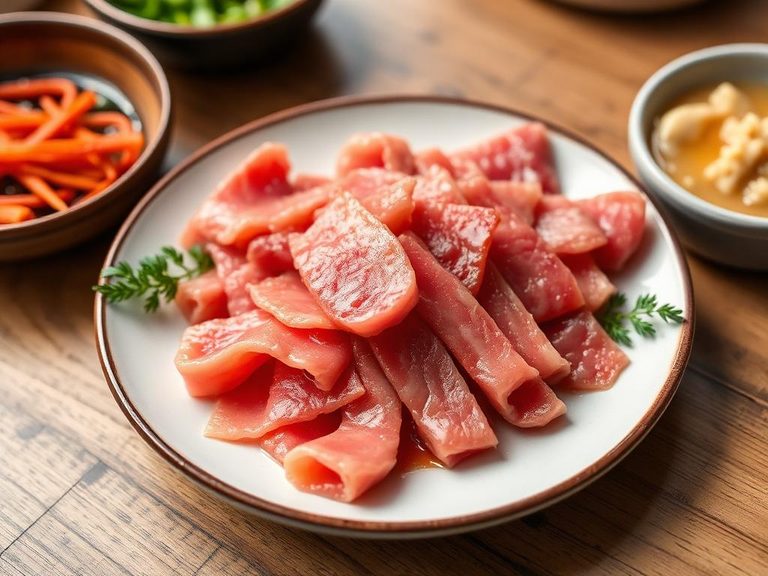
Raw polar bear meat is a dense, dark red, and iron-rich traditional food for Alaska Native communities, prized for its deep, gamey flavor and firm, almost liver-like texture. Nutritionally, it is a powerhouse of lean protein with virtually no carbohydrates or fat, making it an exceptionally pure source of animal-based sustenance in the Arctic environment.
Calorie split: 79% protein · 0% carbs · 21% fat
↓ Full nutrition💚 Why it's loved
It is deeply valued for its role in subsistence culture, representing heritage, resilience, and connection to the land. The intense, unique flavor is considered a delicacy, often enjoyed raw or fermented in specific traditional preparations.
⚠️ Watch-outs & how to enjoy it better
Consuming raw wild game carries a significant risk of parasites and pathogens, such as Trichinella, which can cause severe illness. It must be sourced from specific, healthy animals and prepared with extreme care, often involving freezing or fermentation protocols to mitigate risk. Those with compromised immune systems should avoid it entirely.
Key benefits
- Exceptionally high in complete protein per calorie
- Naturally zero-carbohydrate and very low-fat food
- Rich in heme iron, crucial for oxygen transport
- Source of essential B vitamins like B12
- Traditional food providing cultural and subsistence value
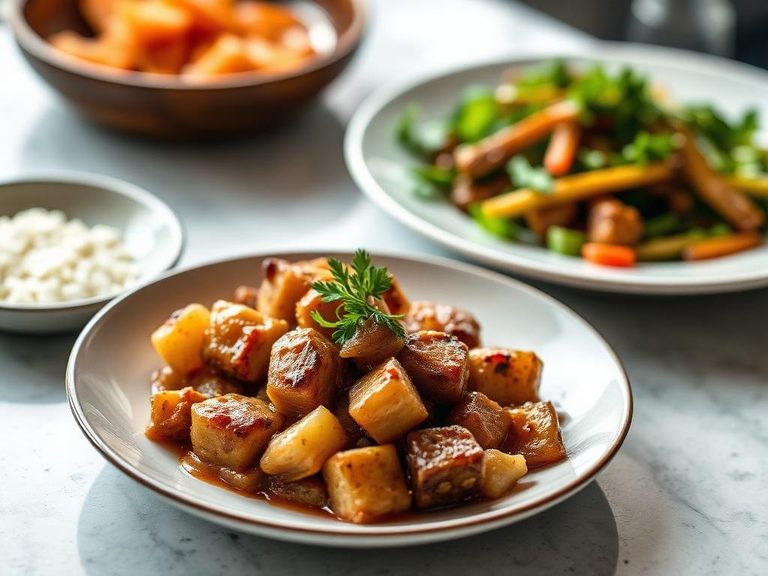
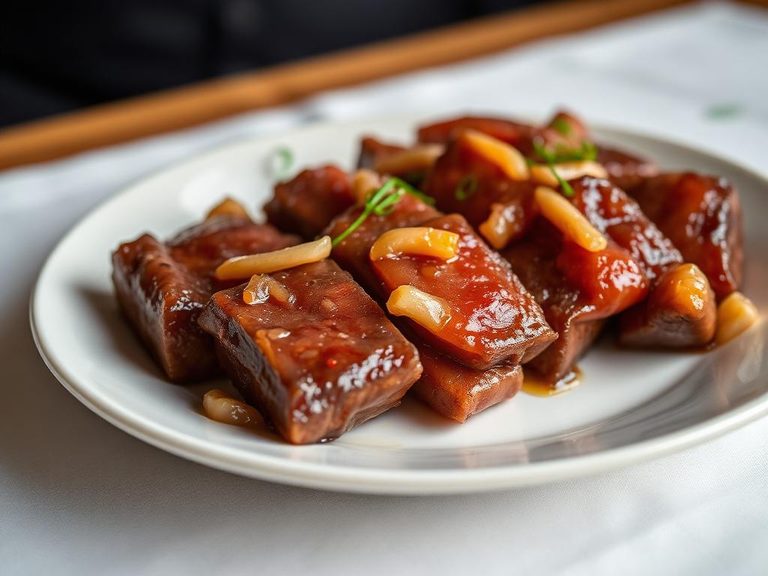
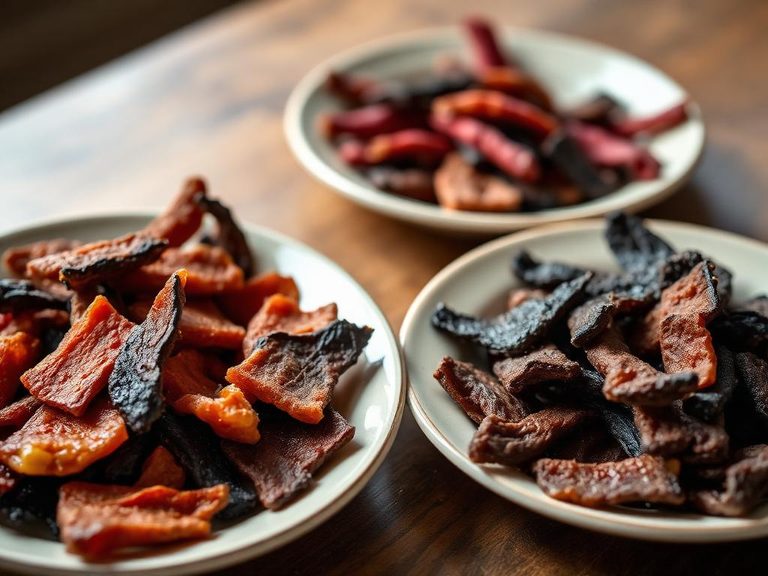
🍽️ Popular dishes
🌍 Where it's eaten
💡 Did you know?
Polar bear liver is so extremely high in vitamin A that eating it can cause acute hypervitaminosis A, a toxic condition, which is why traditional knowledge strictly separates the meat from the liver.
Full nutrition (USDA data · scales with serving)
| Water | 70.3 g |
| Energy | 130 kcal |
| Energy | 545 kj |
| Protein | 25.6 g |
| Total lipid (fat) | 3.1 g |
| Ash | 1.0 g |
| Carbohydrate, by difference | 0.00 g |
| Calcium, Ca | 17.0 mg |
| Iron, Fe | 6.1 mg |
| Potassium, K | 40.0 mg |
| Vitamin C, total ascorbic acid | 2.0 mg |
| Thiamin | 0.02 mg |
| Riboflavin | 0.57 mg |
| Niacin | 4.0 mg |
| Vitamin A, IU | 1400 iu |
Fat & fatty acid profile (per 100g)
| Fatty acids, total saturated | 0.63 g |
| Fatty acids, total monounsaturated | 2.0 g |
| Fatty acids, total polyunsaturated | 0.46 g |
| PUFA 18:2 | 0.08 g |
| PUFA 18:3 | 0.01 g |
Amino acid profile (per 100g)
Estimated from Seal, bearded (Oogruk), meat, partially dried (Alaska Native) — USDA does not publish this profile for Bear.
| Tryptophan | 0.60 g |
| Threonine | 2.4 g |
| Isoleucine | 2.4 g |
| Leucine | 4.8 g |
| Lysine | 5.1 g |
| Methionine | 1.3 g |
| Cystine | 0.34 g |
| Phenylalanine | 2.5 g |
| Tyrosine | 1.6 g |
| Valine | 2.4 g |
| Arginine | 3.5 g |
| Histidine | 2.2 g |
| Alanine | 3.6 g |
| Aspartic acid | 5.2 g |
| Glutamic acid | 8.3 g |
| Glycine | 3.3 g |
| Proline | 2.9 g |
| Serine | 2.3 g |
FAQ
Is it safe to eat raw?
Safety depends entirely on sourcing and preparation. Traditional methods involve specific freezing times or fermentation to kill parasites. Consuming it raw from an unknown source is extremely dangerous due to risks like Trichinella roundworm.
What does it taste like?
It has a very strong, pronounced gamey flavor, often compared to a more intense version of wild venison or organ meat. The texture is firm and dense.
Why is it so lean?
Polar bears store almost all their fat in a thick layer of blubber beneath the skin for insulation. The muscle meat itself is remarkably lean, making it a unique source of pure protein.
Nutrient density (calculated · NRF9.3)
Nutrient Rich Foods index: beneficial nutrients (protein, fiber, vitamins, minerals) minus saturated fat, added sugar & sodium, per 100 kcal.
NRF9.3 index — Fulgoni, Keast & Drewnowski, 2009. Computed from USDA nutrients.
Weight-loss friendliness (composite index)
Energy density 1.30 kcal/g · 79% calories from protein · 0.0 g fiber · 0.0 g sugar per 100 g.
Composite of energy density (Rolls et al., 1999), protein & fiber satiety, minus sugar. A calculated heuristic — ranks satiety-per-calorie, not a clinical measure.