

Drumstick pods, raw
Whole food · Vegetables and Vegetable Products

Photo: Wikipedia
Drumstick pods, the long, slender green pods of the Moringa oleifera tree, are a staple in South Asian cooking with a distinctive fibrous, ridged texture. When raw, they offer a mildly bitter, green, and slightly peppery flavor, often described as a cross between asparagus and green beans. Nutritionally, they are a low-calorie powerhouse, providing 3.2g of fiber per 100g and a good amount of plant-based protein relative to their energy content.
Calorie split: 19% protein · 77% carbs · 4% fat
↓ Full nutrition💚 Why it's loved
People love drumstick pods for their unique ability to add a deep, savory, and slightly sweet flavor to soups and curries, where the pods are often simmered until tender and the inner pulp is sucked off the seeds. They are a beloved cultural ingredient in South Indian and Sri Lankan cuisine, prized for their nutritional density and versatility in both vegetarian and non-vegetarian dishes.
⚠️ Watch-outs & how to enjoy it better
The raw pods can be tough and fibrous, making them unpalatable and difficult to digest if not cooked properly. They also contain antinutrients like oxalates, which can interfere with mineral absorption; to counteract this, always cook them thoroughly (boiling or simmering in curries) and consider pairing with vitamin C-rich foods to enhance mineral uptake.
Key benefits
- High in dietary fiber (3.2g per 100g) for digestive health
- Good source of plant-based protein (2.1g per 100g)
- Very low in calories (37 kcal per 100g)
- Rich in antioxidants and anti-inflammatory compounds
- Contains essential minerals like potassium and calcium
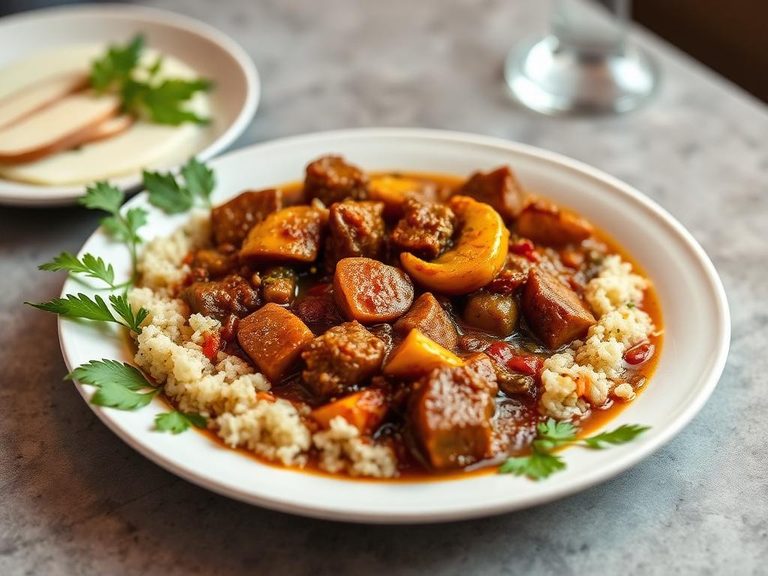
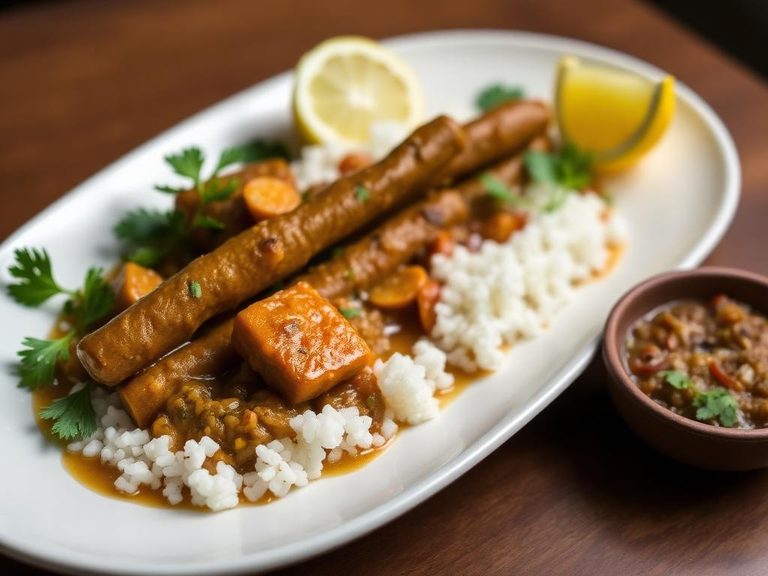
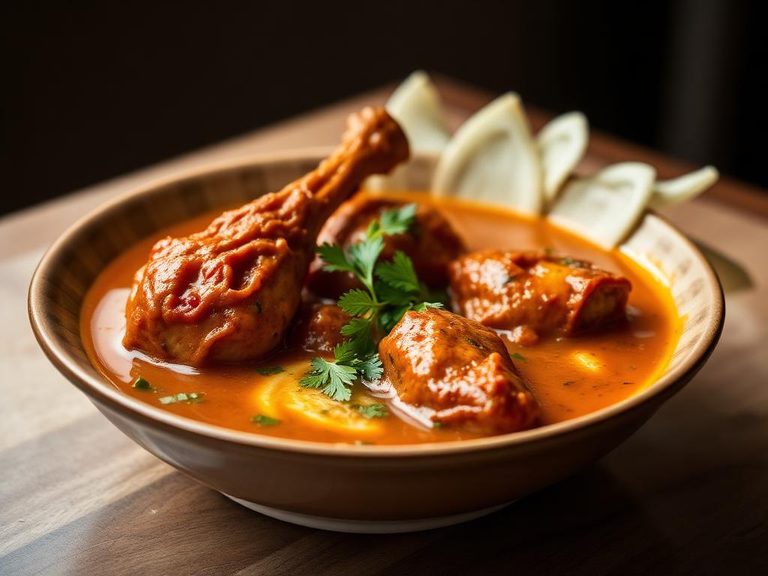
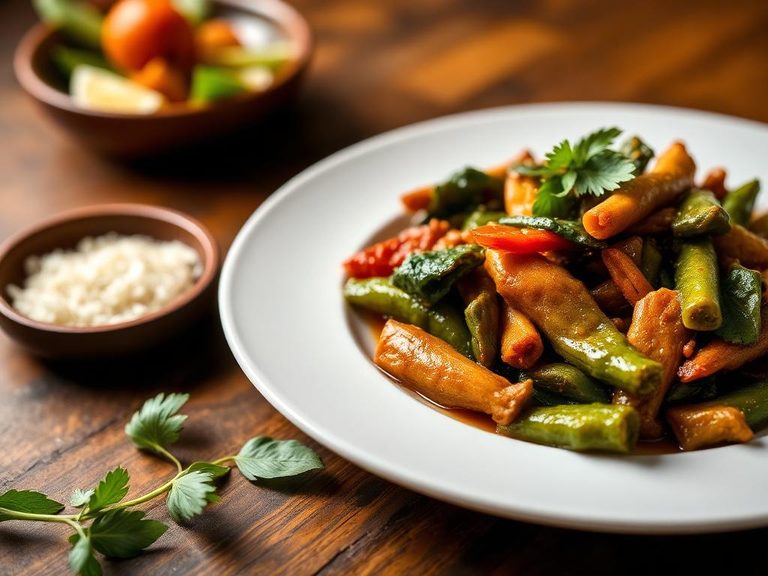
🍽️ Popular dishes
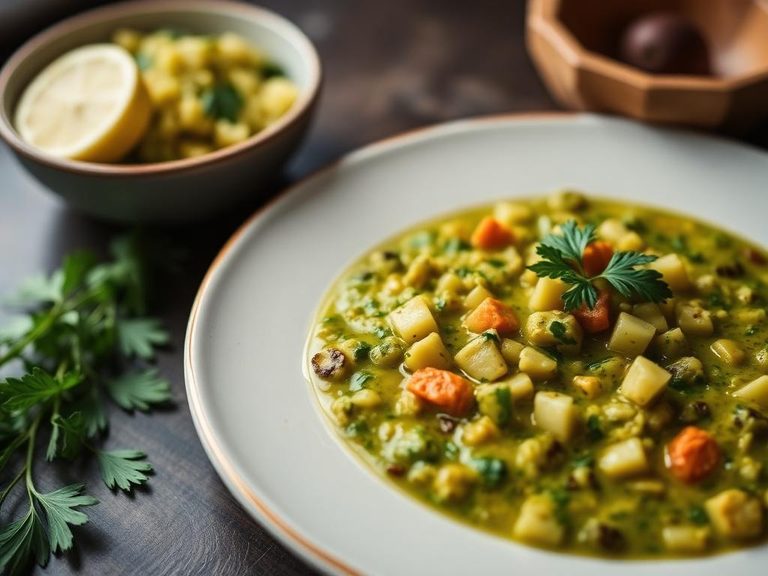
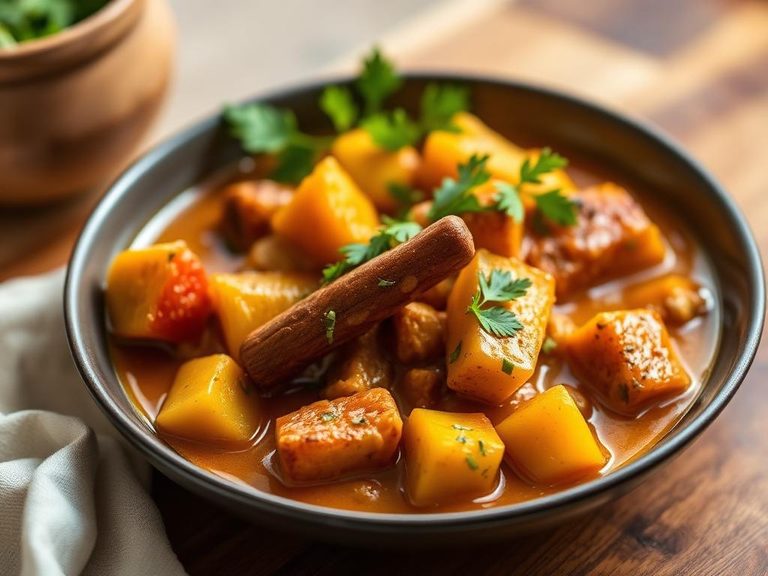
🌍 Where it's eaten
💡 Did you know?
The Moringa tree is often called the 'Miracle Tree' because every part—leaves, pods, seeds, and roots—is edible and highly nutritious, and it can grow in extremely arid conditions, making it a vital food source in many developing regions.
Full nutrition (USDA data · scales with serving)
| Water | 88.2 g |
| Energy | 37.0 kcal |
| Energy | 155 kj |
| Protein | 2.1 g |
| Total lipid (fat) | 0.20 g |
| Ash | 0.97 g |
| Carbohydrate, by difference | 8.5 g |
| Fiber, total dietary | 3.2 g |
| Calcium, Ca | 30.0 mg |
| Iron, Fe | 0.36 mg |
| Magnesium, Mg | 45.0 mg |
| Phosphorus, P | 50.0 mg |
| Potassium, K | 461 mg |
| Sodium, Na | 42.0 mg |
| Zinc, Zn | 0.45 mg |
| Copper, Cu | 0.08 mg |
| Manganese, Mn | 0.26 mg |
| Selenium, Se | 0.70 ug |
| Vitamin C, total ascorbic acid | 141 mg |
| Thiamin | 0.05 mg |
| Riboflavin | 0.07 mg |
| Niacin | 0.62 mg |
| Pantothenic acid | 0.79 mg |
| Vitamin B-6 | 0.12 mg |
| Folate, total | 44.0 ug |
| Folic acid | 0.00 ug |
| Folate, food | 44.0 ug |
| Folate, DFE | 44.0 ug |
| Vitamin B-12 | 0.00 ug |
| Vitamin A, RAE | 4.0 ug |
| Retinol | 0.00 ug |
| Vitamin A, IU | 74.0 iu |
| Vitamin D (D2 + D3), International Units | 0.00 iu |
| Vitamin D (D2 + D3) | 0.00 ug |
| Alcohol, ethyl | 0.00 g |
Fat & fatty acid profile (per 100g)
| Fatty acids, total saturated | 0.03 g |
| Fatty acids, total monounsaturated | 0.10 g |
| Fatty acids, total polyunsaturated | 0.00 g |
| Fatty acids, total trans | 0.00 g |
| Cholesterol | 0.00 mg |
FAQ
How do you prepare raw drumstick pods for cooking?
Wash them, then cut them into 2-3 inch pieces. You can lightly scrape the outer skin to remove the tough ridges, but it's not always necessary. They are typically added to soups, stews, or curries and simmered until the inner pulp becomes soft and can be easily sucked off the seeds.
Are drumstick pods safe to eat raw?
While they are not toxic raw, they are very fibrous and difficult to digest. Cooking is recommended to soften the pods, improve texture, and make the nutrients more bioavailable. Raw consumption is not common.
What does a drumstick pod taste like?
Raw drumstick pods have a mildly bitter, green, and slightly peppery flavor, similar to asparagus or green beans. When cooked, they develop a sweeter, more savory taste, and the inner pulp is often described as having a creamy, slightly nutty flavor.
Nutrient density (calculated · NRF9.3)
Nutrient Rich Foods index: beneficial nutrients (protein, fiber, vitamins, minerals) minus saturated fat, added sugar & sodium, per 100 kcal.
NRF9.3 index — Fulgoni, Keast & Drewnowski, 2009. Computed from USDA nutrients.
Weight-loss friendliness (composite index)
Energy density 0.37 kcal/g · 23% calories from protein · 3.2 g fiber · 0.0 g sugar per 100 g.
Composite of energy density (Rolls et al., 1999), protein & fiber satiety, minus sugar. A calculated heuristic — ranks satiety-per-calorie, not a clinical measure.
Dietary load (calculated from USDA values)
Potential renal acid load. Positive = acid-forming, negative = alkaline-forming.
Sodium-to-potassium ratio: 0.09 (lower is better — aim for ≤ 1)
Sodium:potassium per WHO potassium guidance. Computed from USDA nutrients.