

Butter, Clarified butter (ghee)
Whole food · Dairy and Egg Products
Clarified butter, known as ghee, is a rich, golden liquid fat made by simmering butter until the milk solids and water evaporate, leaving behind a pure, nutty-flavored fat with a high smoke point. Its texture is silky and smooth when warm, solidifying into a soft, granular paste at room temperature. Nutritionally, it is 100% fat, providing a dense source of calories with zero protein, carbs, or sugar.
Calorie split: 0% protein · 0% carbs · 100% fat
↓ Full nutrition💚 Why it's loved
People love ghee for its deep, caramelized, nutty flavor that elevates everything from simple rice to complex curries. Its cultural significance in South Asian cuisine, where it's considered sacred and a staple, adds a layer of tradition and comfort to its culinary appeal.
⚠️ Watch-outs & how to enjoy it better
While it's lactose-free, ghee is still a dairy product and can be problematic for those with a severe milk allergy. Its extremely high fat and calorie density (900 kcal per 100g) means overconsumption can contribute to weight gain and elevated cholesterol. To counteract this, practice strict portion control (e.g., 1 teaspoon per serving) and use it as a flavor enhancer rather than a primary cooking fat, or pair it with fiber-rich foods to promote satiety.
Key benefits
- High smoke point (around 485°F/250°C) makes it excellent for high-heat cooking and frying
- Lactose and casein-free due to the removal of milk solids, often tolerable for those with dairy sensitivities
- Contains fat-soluble vitamins like A, D, E, and K2, along with butyric acid, a short-chain fatty acid
- Long shelf life at room temperature without refrigeration due to the absence of milk solids
- Rich in conjugated linoleic acid (CLA), which is studied for its potential metabolic benefits
🍽️ Popular dishes
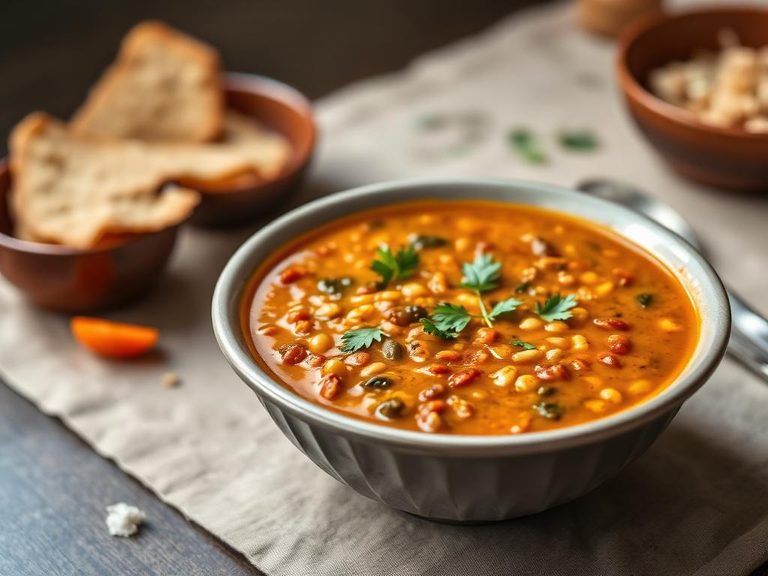
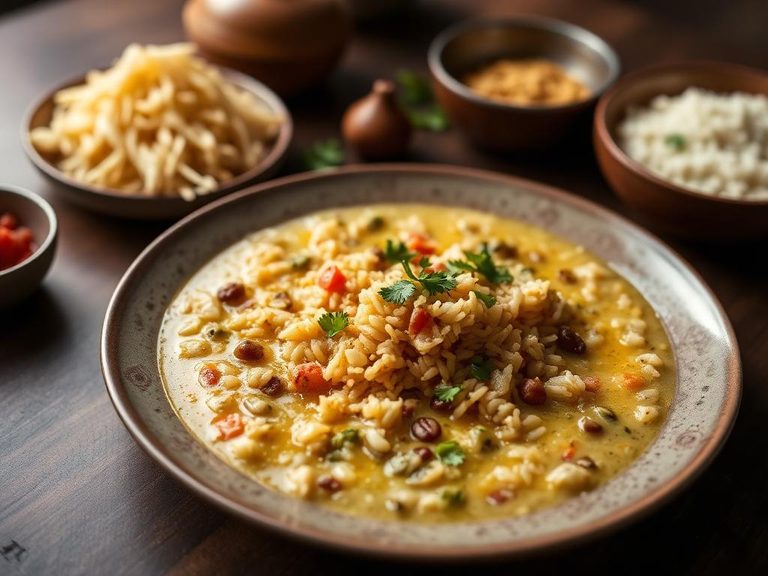
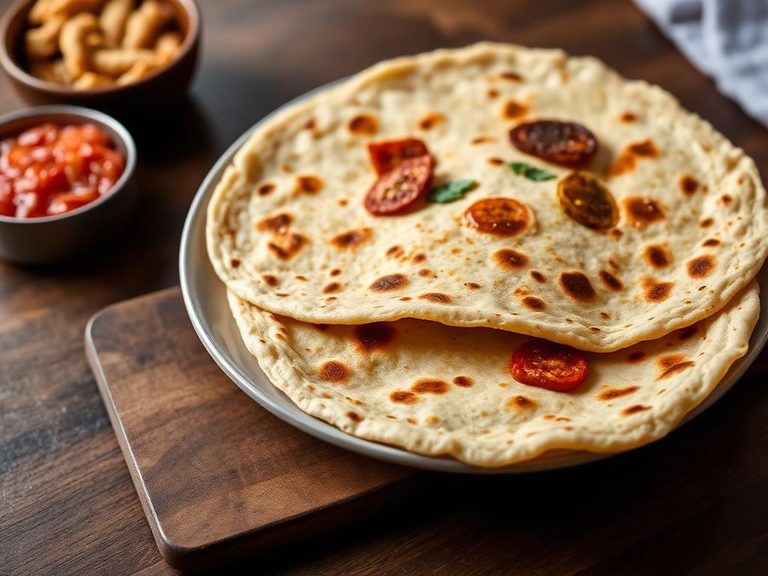
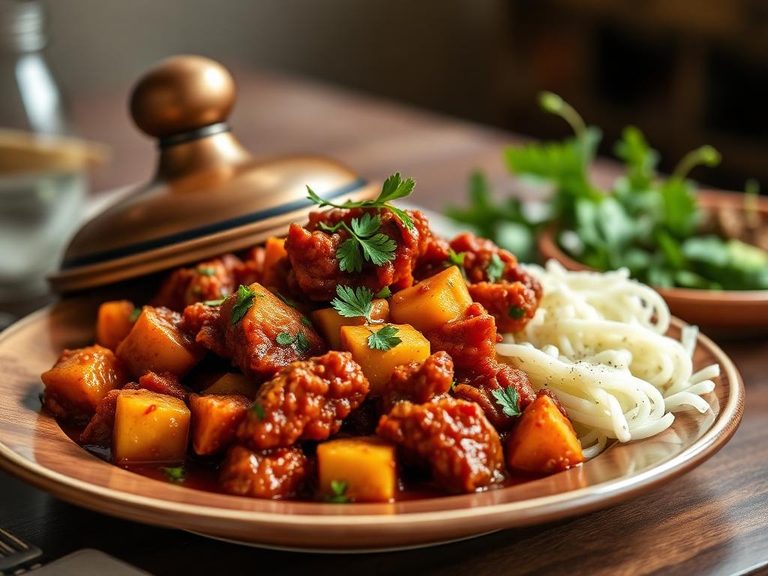
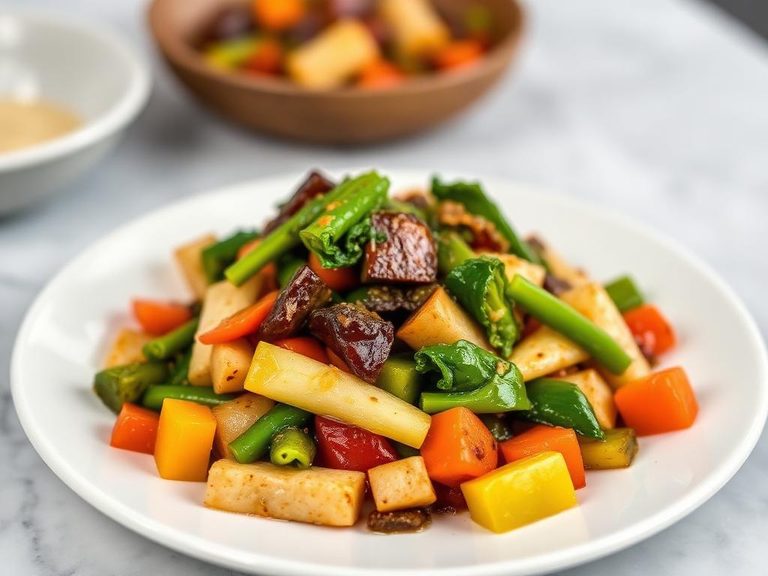
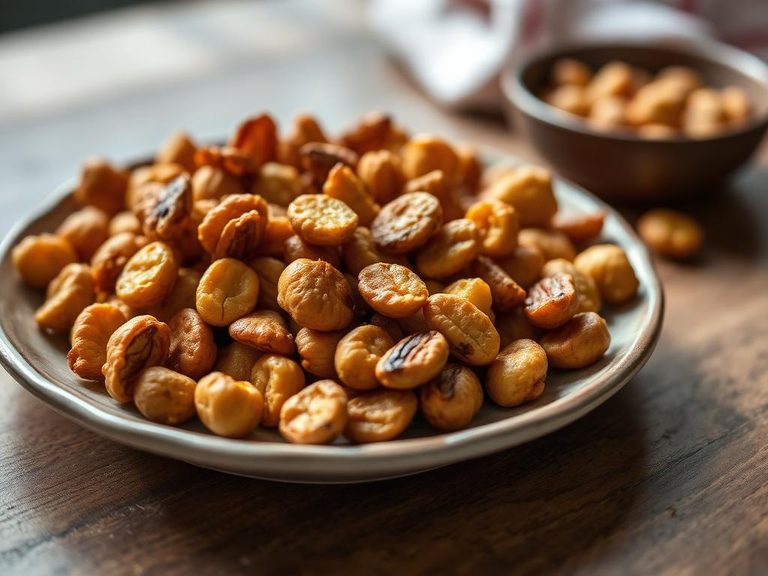
🌍 Where it's eaten
💡 Did you know?
In traditional Indian Ayurveda, ghee is considered a 'sattvic' food that promotes clarity of mind and is used in rituals, including being poured into sacred fires during ceremonies.
Full nutrition (USDA data · scales with serving)
| Water | 0.50 g |
| Energy | 900 kcal |
| Energy | 3766 kj |
| Protein | 0.00 g |
| Total lipid (fat) | 100 g |
| Ash | 0.00 g |
| Carbohydrate, by difference | 0.00 g |
| Fiber, total dietary | 0.00 g |
| Total Sugars | 0.00 g |
| Calcium, Ca | 0.00 mg |
| Iron, Fe | 0.00 mg |
| Sodium, Na | 0.00 mg |
| Vitamin C, total ascorbic acid | 0.00 mg |
| Vitamin A, IU | 4000 iu |
Fat & fatty acid profile (per 100g)
| Fatty acids, total saturated | 60.0 g |
| Fatty acids, total polyunsaturated | 4.0 g |
| Fatty acids, total trans | 0.00 g |
| Cholesterol | 300 mg |
Amino acid profile (per 100g)
Estimated from Milk, buttermilk, fluid, cultured, reduced fat — USDA does not publish this profile for Butter.
| Tryptophan | 0.05 g |
| Threonine | 0.17 g |
| Isoleucine | 0.21 g |
| Leucine | 0.39 g |
| Lysine | 0.34 g |
| Methionine | 0.11 g |
| Cystine | 0.03 g |
| Phenylalanine | 0.21 g |
| Tyrosine | 0.21 g |
| Valine | 0.27 g |
| Arginine | 0.12 g |
| Histidine | 0.12 g |
| Alanine | 0.14 g |
| Aspartic acid | 0.35 g |
| Glutamic acid | 0.92 g |
| Glycine | 0.08 g |
| Proline | 0.40 g |
| Serine | 0.25 g |
FAQ
Is ghee the same as clarified butter?
Yes, ghee is a type of clarified butter. The key difference is that ghee is simmered longer until the milk solids toast and caramelize, giving it a nuttier flavor and a slightly darker color than standard clarified butter.
Can I use ghee for baking?
Absolutely. Ghee can replace butter in many baking recipes, especially for cookies, cakes, and pastries, where it adds a rich, buttery flavor and a tender, crumbly texture. Use it in a 1:1 ratio for butter, but note it may produce a slightly denser result.
How should I store ghee?
Store ghee in an airtight container at room temperature in a cool, dark place. It has a very long shelf life, often lasting over a year without refrigeration, due to the removal of milk solids that can spoil.
Nutrient density (calculated · NRF9.3)
Nutrient Rich Foods index: beneficial nutrients (protein, fiber, vitamins, minerals) minus saturated fat, added sugar & sodium, per 100 kcal.
NRF9.3 index — Fulgoni, Keast & Drewnowski, 2009. Computed from USDA nutrients.
Weight-loss friendliness (composite index)
Energy density 9.00 kcal/g · 0% calories from protein · 0.0 g fiber · 0.0 g sugar per 100 g.
Composite of energy density (Rolls et al., 1999), protein & fiber satiety, minus sugar. A calculated heuristic — ranks satiety-per-calorie, not a clinical measure.