

Baobab powder
Whole food · Fruits and Fruit Juices

Photo: Wikipedia
Baobab powder is a tangy, citrusy superfood derived from the dried pulp of the African baobab fruit. Its fine, sandy texture and vibrant, sherbet-like flavor make it a unique addition to foods and drinks. Nutritionally, it is an exceptional source of fiber, providing over 44 grams per 100g, and is rich in vitamin C.
Calorie split: 4% protein · 94% carbs · 1% fat
↓ Full nutrition💚 Why it's loved
People love baobab powder for its unique, natural tanginess that adds a bright, citrusy zing to smoothies, yogurts, and baked goods without added sugar. Its versatility as a nutrient-dense flavor enhancer and its deep cultural roots in African traditions make it a cherished ingredient.
⚠️ Watch-outs & how to enjoy it better
The intense tartness can be overpowering if used in large quantities, and its high fiber content may cause digestive discomfort for some. To counteract this, start with small portions (1-2 teaspoons) and gradually increase. Pairing it with protein or healthy fats (like in a smoothie with yogurt or nut butter) can also help mitigate any potential blood sugar impact from the carbs.
Key benefits
- Exceptionally high in dietary fiber (44.5g per 100g)
- Rich in vitamin C and antioxidants
- Contains prebiotic properties that may support gut health
- Low in fat and contains no sugar
🍽️ Popular dishes
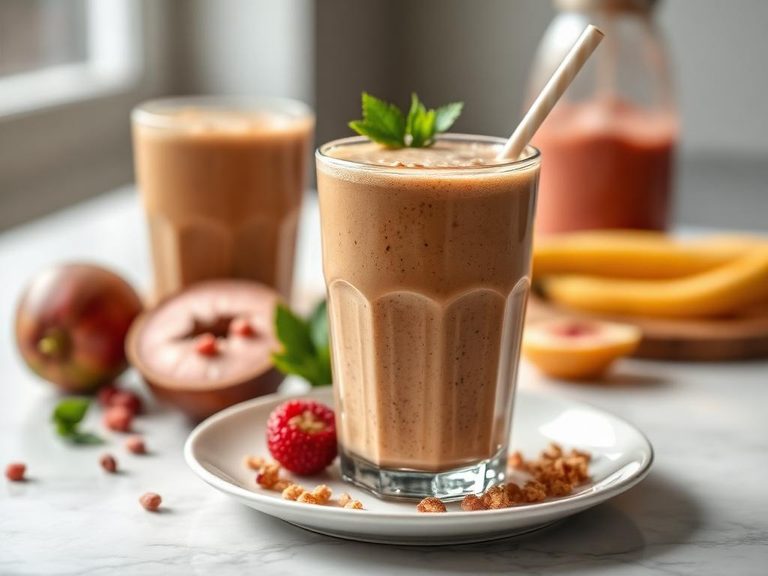
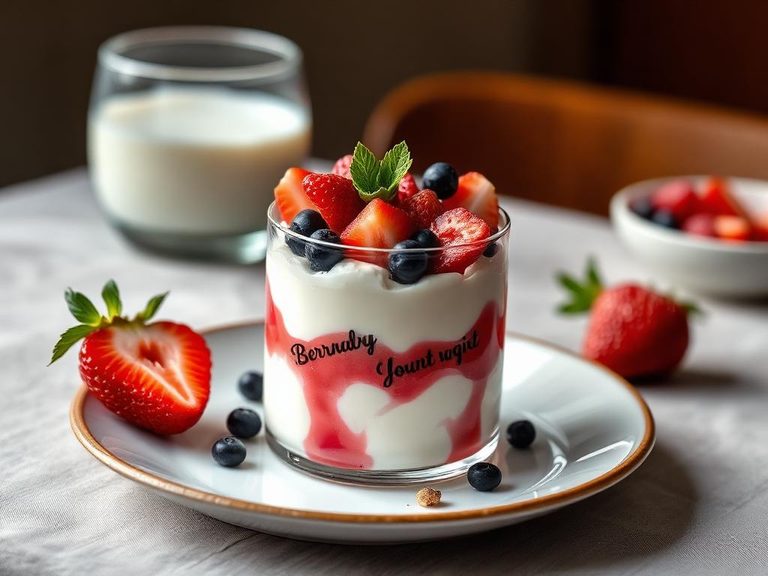
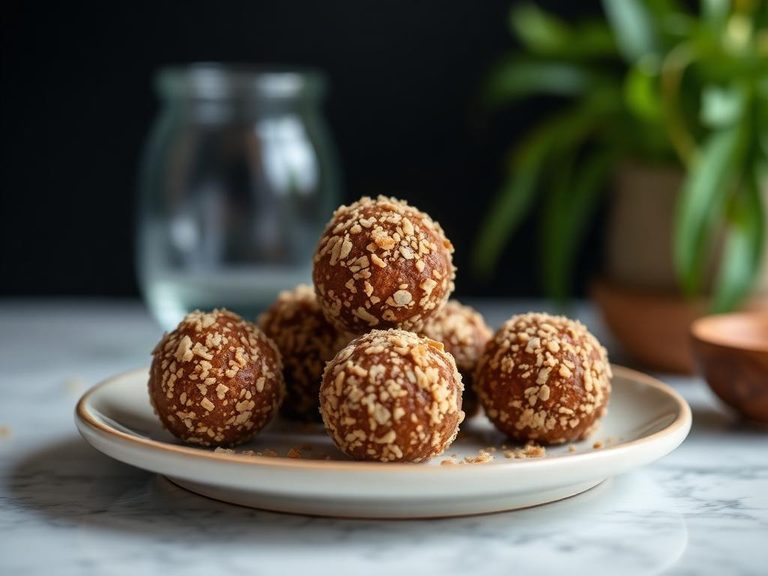
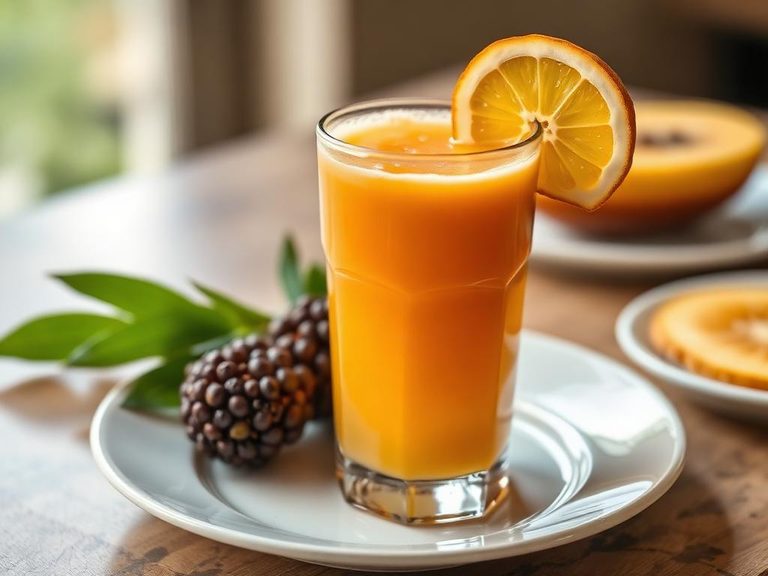
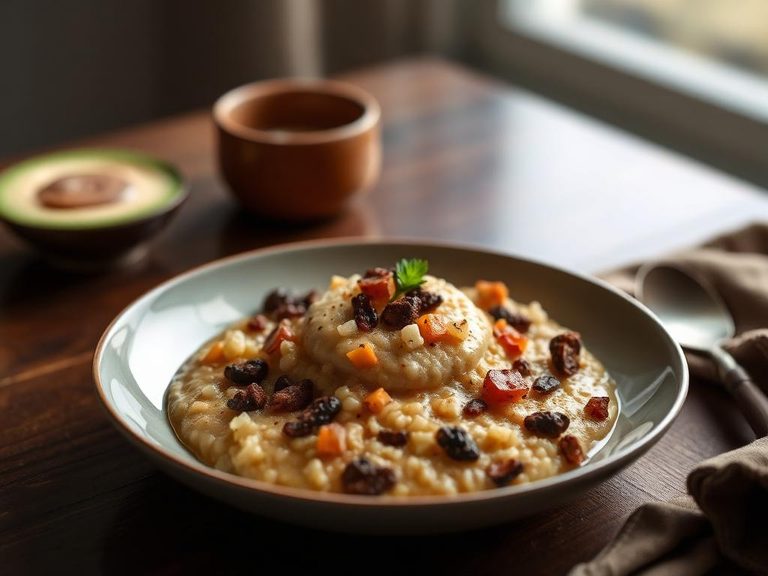
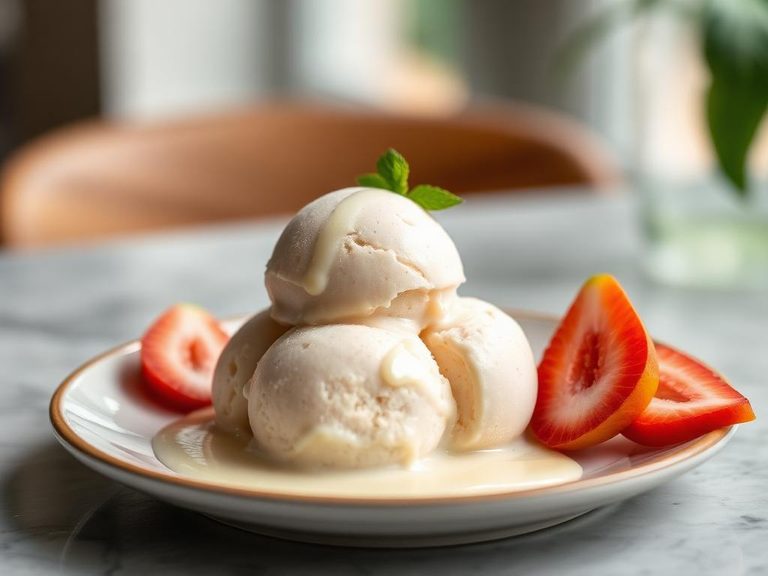
🌍 Where it's eaten
💡 Did you know?
The baobab tree is often called the 'Tree of Life' because its massive, water-storing trunk can live for over a thousand years, and nearly every part of it—from fruit to bark—is used for food, medicine, or fiber.
Full nutrition (USDA data · scales with serving)
| Water | 10.9 g |
| Energy | 250 kcal |
| Energy | 1045 kj |
| Protein | 3.7 g |
| Total lipid (fat) | 0.47 g |
| Ash | 5.3 g |
| Carbohydrate, by difference | 79.7 g |
| Fiber, total dietary | 44.5 g |
| Sucrose | 9.2 g |
| Glucose | 4.7 g |
| Fructose | 4.3 g |
| Lactose | 0.00 g |
| Maltose | 0.00 g |
| Calcium, Ca | 342 mg |
| Iron, Fe | 8.4 mg |
| Magnesium, Mg | 158 mg |
| Phosphorus, P | 47.0 mg |
| Potassium, K | 2189 mg |
| Sodium, Na | 10.0 mg |
| Zinc, Zn | 0.92 mg |
| Selenium, Se | 0.00 ug |
| Vitamin C, total ascorbic acid | 173 mg |
| Thiamin | 0.03 mg |
| Riboflavin | 0.07 mg |
| Niacin | 20.0 mg |
| Vitamin B-6 | 2.4 mg |
| Folate, total | 43.0 ug |
| Folate, food | 43.0 ug |
Fat & fatty acid profile (per 100g)
| Fatty acids, total saturated | 0.24 g |
| Fatty acids, total monounsaturated | 0.17 g |
| Fatty acids, total polyunsaturated | 0.16 g |
| PUFA 18:3 | 0.10 g |
| PUFA 18:3 n-3 c,c,c (ALA) | 0.10 g |
| PUFA 20:5 n-3 (EPA) | 0.00 g |
| PUFA 22:5 n-3 (DPA) | 0.00 g |
| PUFA 22:6 n-3 (DHA) | 0.00 g |
| Fatty acids, total trans | 0.01 g |
FAQ
What does baobab powder taste like?
It has a distinctively tangy, citrusy flavor reminiscent of grapefruit or lemon sherbet, with a slightly earthy undertone.
How do I use baobab powder in cooking?
It's most commonly stirred into cold or warm liquids like water, juice, smoothies, or yogurt. It can also be added to baked goods, but its acidity may react with baking soda.
Is baobab powder a good source of sugar?
No, baobab powder contains 0g of sugar per 100g. Its carbohydrate content is almost entirely from dietary fiber and other complex carbs.
Nutrient density (calculated · NRF9.3)
Nutrient Rich Foods index: beneficial nutrients (protein, fiber, vitamins, minerals) minus saturated fat, added sugar & sodium, per 100 kcal.
NRF9.3 index — Fulgoni, Keast & Drewnowski, 2009. Computed from USDA nutrients.
Weight-loss friendliness (composite index)
Energy density 2.50 kcal/g · 6% calories from protein · 44.5 g fiber · 0.0 g sugar per 100 g.
Composite of energy density (Rolls et al., 1999), protein & fiber satiety, minus sugar. A calculated heuristic — ranks satiety-per-calorie, not a clinical measure.
Dietary load (calculated from USDA values)
Potential renal acid load. Positive = acid-forming, negative = alkaline-forming.
Sodium-to-potassium ratio: 0.00 (lower is better — aim for ≤ 1)
Sodium:potassium per WHO potassium guidance. Computed from USDA nutrients.