

Sesbania flower, raw
Whole food · Vegetables and Vegetable Products

Photo: Wikipedia
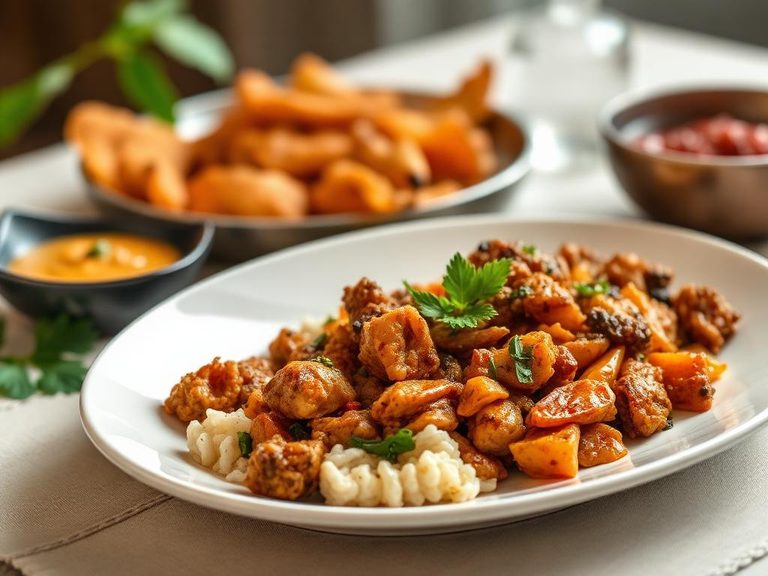
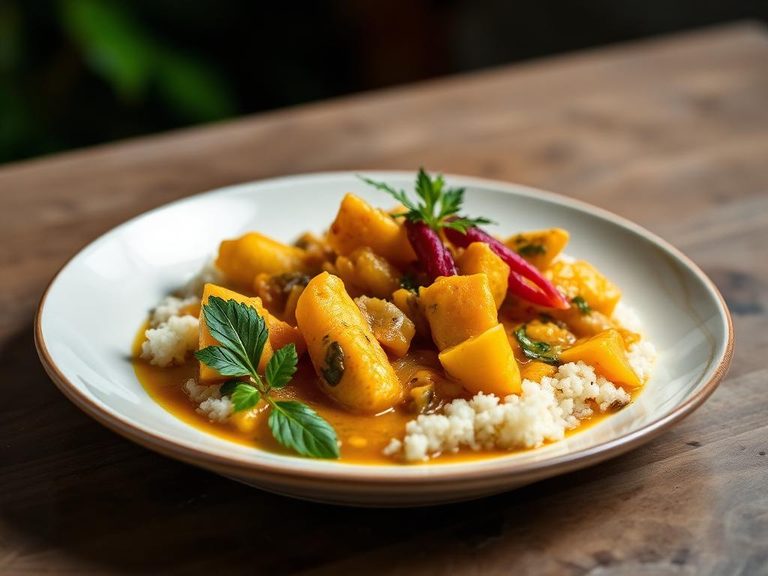
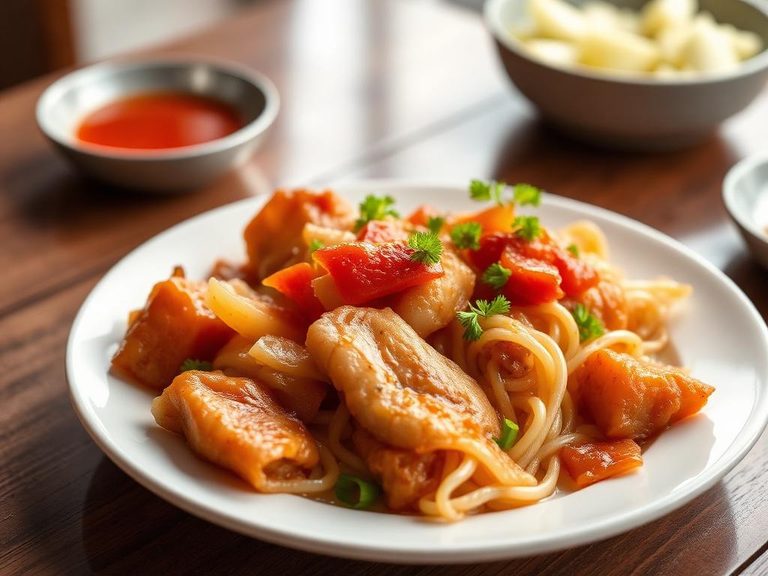
Sesbania flower, often called 'agathi' or 'hummingbird tree flower', is a delicate, vibrant yellow-orange blossom with a subtly sweet, slightly peppery flavor and a soft, tender texture when raw. Nutritionally, it's a low-calorie powerhouse, offering a notable protein boost (1.28g per 100g) for a flower, alongside a light carbohydrate content. Its unique, mildly floral taste makes it a prized ingredient in South Asian and Southeast Asian cuisines, where it's often cooked into curries or stir-fries.
Calorie split: 16% protein · 83% carbs · 1% fat
↓ Full nutrition💚 Why it's loved
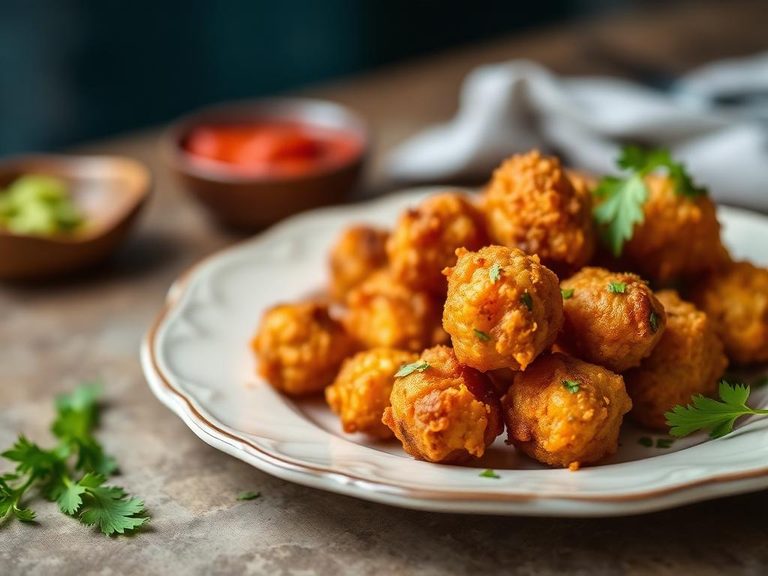
People love Sesbania flowers for their unique, mildly sweet and peppery flavor that adds a delicate, aromatic dimension to dishes. They are cherished in South Asian cultures for their versatility, being used in everything from savory curries and stir-fries to fritters and even pickles.
⚠️ Watch-outs & how to enjoy it better
The flowers can have a slightly bitter aftertaste if not prepared correctly, which some find off-putting. To counteract this, it's best to blanch them briefly or cook them with a bit of tamarind or lemon juice to balance the bitterness. Additionally, those with sensitive stomachs should consume them in moderation, as the high fiber content (if cooked with stems) can cause digestive discomfort.
Key benefits
- High in protein for a flower (1.28g per 100g)
- Very low in calories (27 kcal per 100g)
- Good source of carbohydrates for quick energy
- Naturally low in fat (0.04g per 100g)
- Rich in antioxidants and micronutrients (implied by its vibrant color and traditional use)
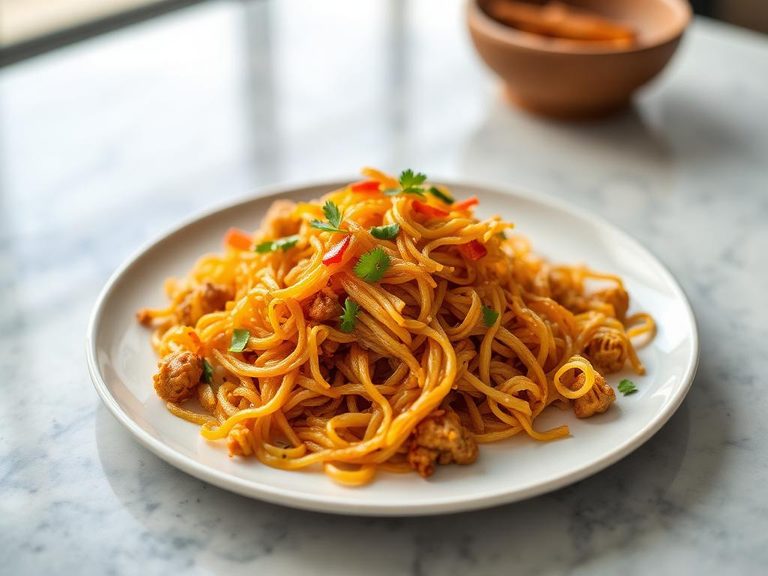
🍽️ Popular dishes
🌍 Where it's eaten
💡 Did you know?
Sesbania flowers are not just edible; they are also used in traditional medicine to treat various ailments, and the tree itself is often planted as a green manure crop to improve soil fertility due to its nitrogen-fixing properties.
Full nutrition (USDA data · scales with serving)
| Water | 91.6 g |
| Energy | 27.0 kcal |
| Energy | 113 kj |
| Protein | 1.3 g |
| Total lipid (fat) | 0.04 g |
| Ash | 0.38 g |
| Carbohydrate, by difference | 6.7 g |
| Calcium, Ca | 19.0 mg |
| Iron, Fe | 0.84 mg |
| Magnesium, Mg | 12.0 mg |
| Phosphorus, P | 30.0 mg |
| Potassium, K | 184 mg |
| Sodium, Na | 15.0 mg |
| Selenium, Se | 0.90 ug |
| Vitamin C, total ascorbic acid | 73.0 mg |
| Thiamin | 0.08 mg |
| Riboflavin | 0.08 mg |
| Niacin | 0.43 mg |
| Folate, total | 102 ug |
| Folic acid | 0.00 ug |
| Folate, food | 102 ug |
| Folate, DFE | 102 ug |
| Vitamin B-12 | 0.00 ug |
| Vitamin A, RAE | 0.00 ug |
| Retinol | 0.00 ug |
| Vitamin A, IU | 0.00 iu |
| Vitamin D (D2 + D3), International Units | 0.00 iu |
| Vitamin D (D2 + D3) | 0.00 ug |
Fat & fatty acid profile (per 100g)
| Fatty acids, total trans | 0.00 g |
| Cholesterol | 0.00 mg |
Amino acid profile (per 100g)
| Tryptophan | 0.02 g |
| Threonine | 0.06 g |
| Isoleucine | 0.07 g |
| Leucine | 0.11 g |
| Lysine | 0.06 g |
| Methionine | 0.02 g |
| Cystine | 0.01 g |
| Phenylalanine | 0.07 g |
| Valine | 0.08 g |
| Arginine | 0.07 g |
| Histidine | 0.03 g |
FAQ
Are Sesbania flowers safe to eat raw?
Yes, they are generally safe to eat raw, but their flavor is more pronounced and slightly peppery. Cooking them softens the texture and mellows the taste, making them more palatable for most people.
How do I reduce the bitterness in Sesbania flowers?
To reduce bitterness, blanch the flowers in boiling water for a minute or two, then rinse them in cold water. Cooking them with acidic ingredients like tamarind or lemon juice also helps balance the flavor.
Can I use Sesbania flowers in salads?
Yes, you can use them in salads, but they are best when lightly blanched or sautéed to soften their texture. They add a unique, slightly peppery note to salads and can be paired with other greens and vegetables.
Nutrient density (calculated · NRF9.3)
Nutrient Rich Foods index: beneficial nutrients (protein, fiber, vitamins, minerals) minus saturated fat, added sugar & sodium, per 100 kcal.
NRF9.3 index — Fulgoni, Keast & Drewnowski, 2009. Computed from USDA nutrients.
Weight-loss friendliness (composite index)
Energy density 0.27 kcal/g · 19% calories from protein · 0.0 g fiber · 0.0 g sugar per 100 g.
Composite of energy density (Rolls et al., 1999), protein & fiber satiety, minus sugar. A calculated heuristic — ranks satiety-per-calorie, not a clinical measure.
Dietary load (calculated from USDA values)
Potential renal acid load. Positive = acid-forming, negative = alkaline-forming.
Sodium-to-potassium ratio: 0.08 (lower is better — aim for ≤ 1)
Sodium:potassium per WHO potassium guidance. Computed from USDA nutrients.