

Sea lion, Steller, meat with fat (Alaska Native)
Whole food · American Indian/Alaska Native Foods

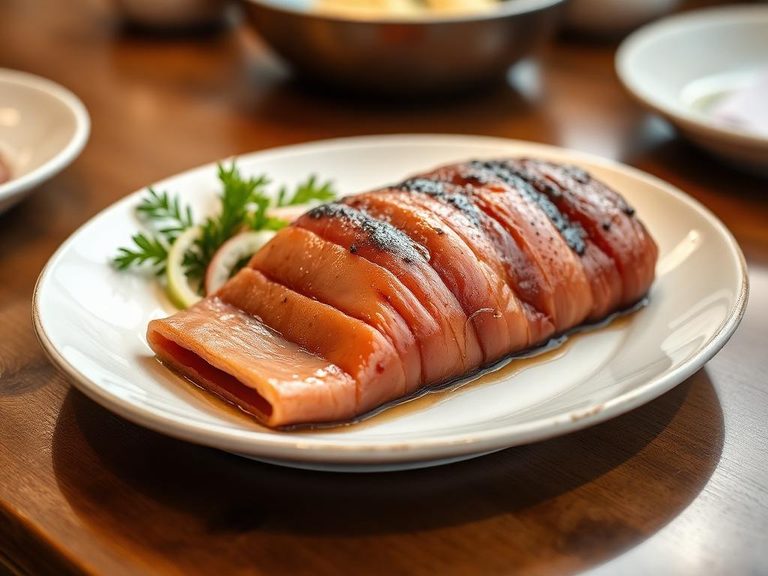
Photo: Wikipedia
Steller sea lion meat, a traditional subsistence food for Alaska Native peoples, is a dense, dark red meat with a rich, gamey flavor and a firm, chewy texture similar to beef or venison. Its high fat content, particularly the marbling within the muscle, provides a distinctive, oily mouthfeel and significant caloric density. Nutritionally, it stands out as an excellent source of complete protein and essential fatty acids, offering a powerful energy source in a compact serving.
Calorie split: 36% protein · 9% carbs · 54% fat
↓ Full nutrition💚 Why it's loved
It is deeply valued for its robust, savory flavor and its cultural significance as a cornerstone of traditional Alaska Native diets and feasts. The meat's versatility in preservation methods like drying and smoking allows it to be a year-round staple.
⚠️ Watch-outs & how to enjoy it better
The strong, gamey taste and dense texture can be unfamiliar or off-putting to those accustomed to milder meats. Due to its high fat and calorie content, it should be consumed in moderation by individuals managing calorie intake. To balance the meal, pair it with fibrous vegetables or berries to add bulk and nutrients without excess calories.
Key benefits
- Exceptionally high in complete, muscle-building protein.
- Rich source of omega-3 fatty acids for heart and brain health.
- Provides dense calories for energy in cold climates.
- Contains important minerals like iron and zinc.
- A traditional, sustainable source of nutrients in Arctic ecosystems.
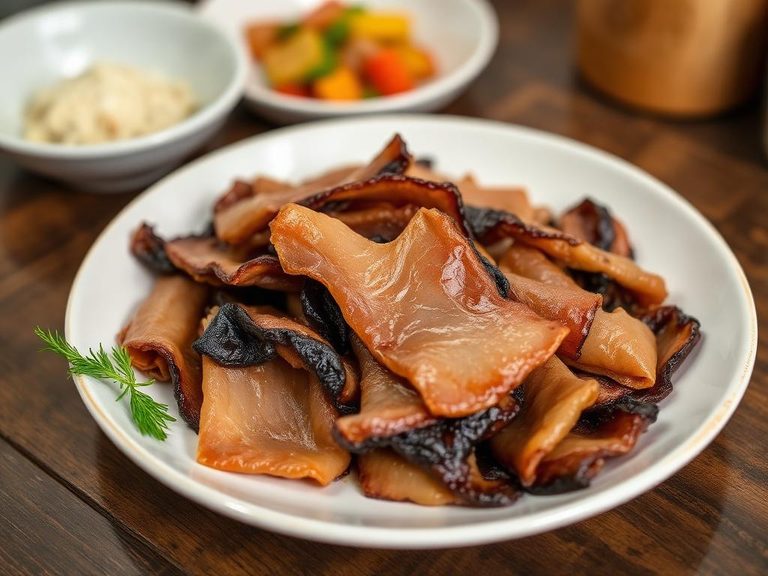
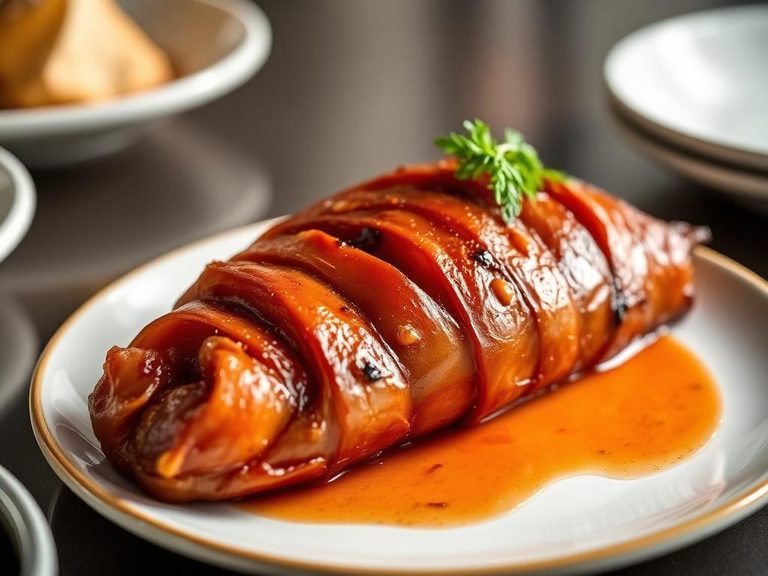
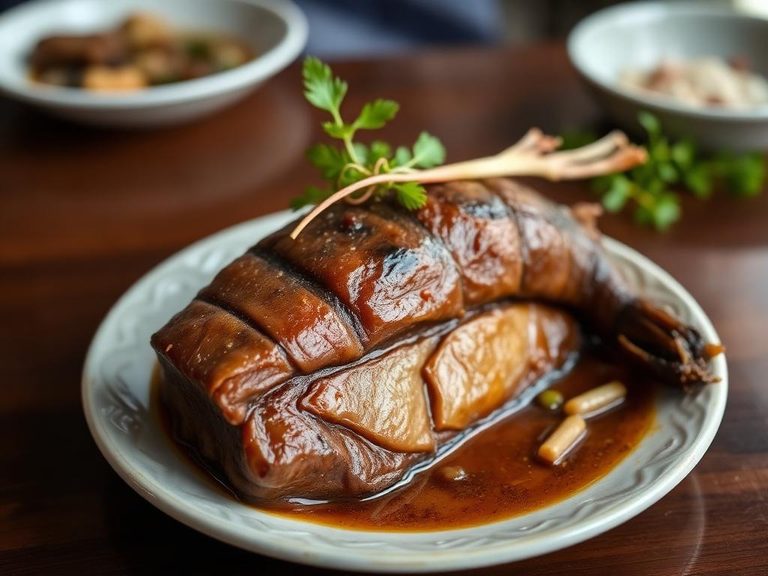
🍽️ Popular dishes
🌍 Where it's eaten
💡 Did you know?
The blubber of the Steller sea lion was traditionally rendered into a clear, amber oil called 'stink flipper' or 'sea oil,' which was a crucial source of fat-soluble vitamins and calories, often stored in skin bags.
Full nutrition (USDA data · scales with serving)
| Water | 56.8 g |
| Energy | 242 kcal |
| Energy | 1014 kj |
| Protein | 22.1 g |
| Total lipid (fat) | 14.7 g |
| Ash | 0.90 g |
| Carbohydrate, by difference | 5.5 g |
| Calcium, Ca | 6.0 mg |
| Iron, Fe | 9.6 mg |
| Magnesium, Mg | 19.0 mg |
| Phosphorus, P | 214 mg |
| Potassium, K | 346 mg |
| Sodium, Na | 80.0 mg |
| Zinc, Zn | 4.3 mg |
| Copper, Cu | 0.12 mg |
| Manganese, Mn | 0.01 mg |
| Selenium, Se | 119 ug |
| Vitamin C, total ascorbic acid | 0.00 mg |
| Vitamin A, RAE | 89.0 ug |
| Vitamin D (D2 + D3), International Units | 0.00 iu |
| Vitamin D (D2 + D3) | 0.00 ug |
Fat & fatty acid profile (per 100g)
| Fatty acids, total saturated | 2.9 g |
| Fatty acids, total monounsaturated | 3.3 g |
| Fatty acids, total polyunsaturated | 3.0 g |
| Fatty acids, total trans | 0.00 g |
| Cholesterol | 66.0 mg |
Amino acid profile (per 100g)
| Tryptophan | 1.6 g |
| Leucine | 0.10 g |
| Methionine | 0.00 g |
| Cystine | 0.10 g |
| Histidine | 0.20 g |
| Aspartic acid | 0.10 g |
| Glutamic acid | 0.00 g |
| Glycine | 0.00 g |
| Proline | 0.10 g |
| Serine | 0.00 g |
FAQ
What does Steller sea lion meat taste like?
It has a very strong, distinct flavor often described as gamey, fishy, and liver-like, with a rich, oily finish due to its high fat content. The texture is firm and dense, similar to lean beef or venison.
Is it safe to eat?
For traditional consumers with proper handling and preparation, yes. However, like many marine mammals, it can contain high levels of certain contaminants (like mercury or PCBs) depending on the region and age of the animal. It is not commercially available or regulated for general sale.
How is it typically prepared?
Traditional preparation often involves drying, smoking, or fermenting the meat to preserve it. It can also be boiled or stewed, sometimes with local plants. The blubber is often rendered into oil.
Nutrient density (calculated · NRF9.3)
Nutrient Rich Foods index: beneficial nutrients (protein, fiber, vitamins, minerals) minus saturated fat, added sugar & sodium, per 100 kcal.
NRF9.3 index — Fulgoni, Keast & Drewnowski, 2009. Computed from USDA nutrients.
Weight-loss friendliness (composite index)
Energy density 2.42 kcal/g · 37% calories from protein · 0.0 g fiber · 0.0 g sugar per 100 g.
Composite of energy density (Rolls et al., 1999), protein & fiber satiety, minus sugar. A calculated heuristic — ranks satiety-per-calorie, not a clinical measure.
Dietary load (calculated from USDA values)
Potential renal acid load. Positive = acid-forming, negative = alkaline-forming.
Sodium-to-potassium ratio: 0.23 (lower is better — aim for ≤ 1)
Sodium:potassium per WHO potassium guidance. Computed from USDA nutrients.