

Kraft, Stove Top Stuffing Mix Chicken Flavor
Whole food · Baked Products
This is a boxed mix of dried bread cubes, savory seasonings, and dehydrated vegetables designed to create a classic, fluffy stuffing with a distinct chicken broth flavor. The taste is savory, herbaceous, and salty, with a soft, moist texture once prepared. Nutritionally, it is a high-carbohydrate, energy-dense side dish with a notable sugar content.
Calorie split: 13% protein · 77% carbs · 10% fat
↓ Full nutrition💚 Why it's loved
People love it for its nostalgic, comforting flavor that's synonymous with holiday meals and family gatherings. Its versatility allows it to be a standalone side or a base for creative casseroles and stuffings.
⚠️ Watch-outs & how to enjoy it better
The high carbohydrate and sugar content can lead to blood sugar spikes, and it is typically very high in sodium. To counteract this, pair a smaller portion with a substantial protein (like turkey or chicken) and non-starchy vegetables to balance the meal and slow digestion.
Key benefits
- Quick and convenient preparation for a traditional side dish
- Provides a significant source of quick energy from carbohydrates
- Can be easily customized with added herbs, vegetables, or proteins
- Offers a consistent, familiar savory flavor profile
🍽️ Popular dishes
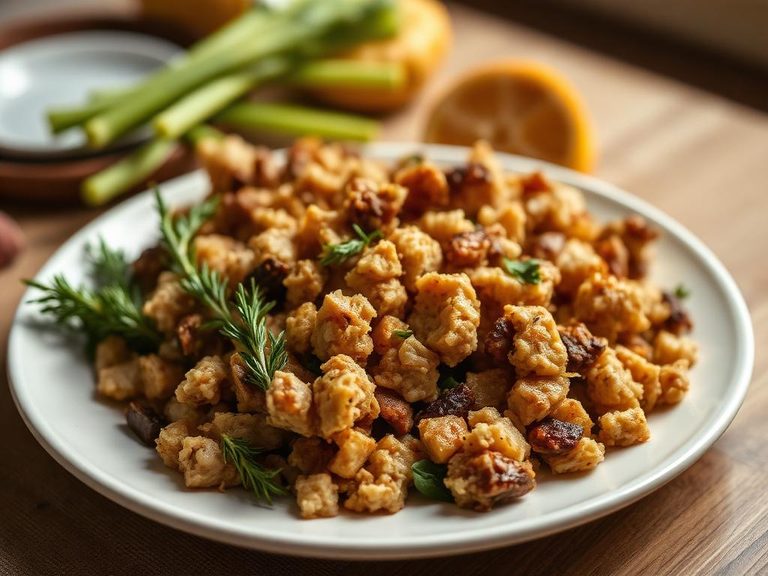
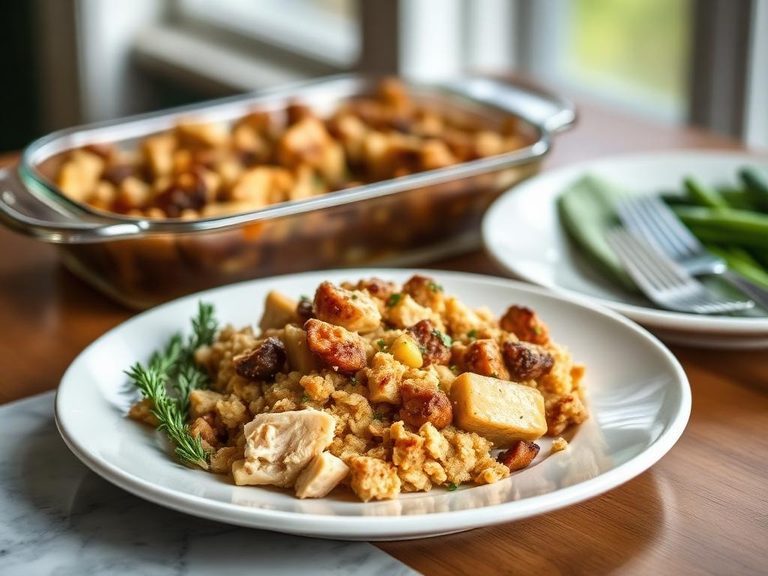
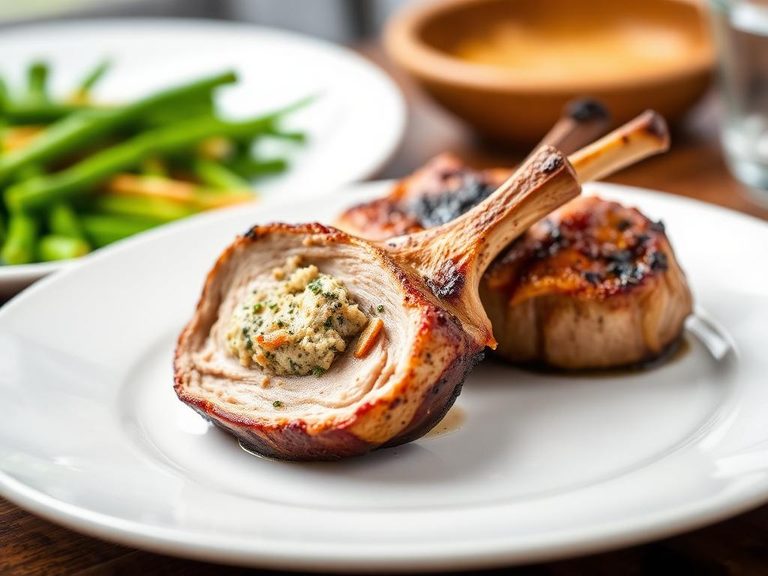

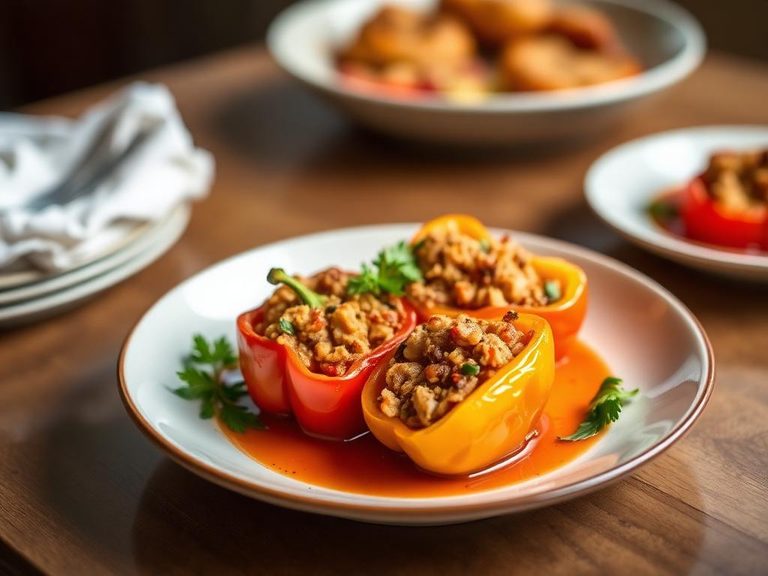
🌍 Where it's eaten
💡 Did you know?
Kraft introduced Stove Top Stuffing in 1972, and it was an instant hit, selling over 49 million boxes in its first year alone.
Full nutrition (USDA data · scales with serving)
| Water | 5.3 g |
| Energy | 381 kcal |
| Energy | 1594 kj |
| Protein | 12.6 g |
| Total lipid (fat) | 4.1 g |
| Ash | 4.8 g |
| Carbohydrate, by difference | 73.1 g |
| Fiber, total dietary | 2.5 g |
| Total Sugars | 10.1 g |
| Calcium, Ca | 63.0 mg |
| Iron, Fe | 4.3 mg |
| Phosphorus, P | 129 mg |
| Potassium, K | 267 mg |
| Sodium, Na | 1532 mg |
| Vitamin C, total ascorbic acid | 3.3 mg |
| Thiamin | 0.39 mg |
| Riboflavin | 0.29 mg |
| Niacin | 3.8 mg |
| Folate, total | 80.0 ug |
| Folate, food | 80.0 ug |
| Vitamin A, IU | 107 iu |
Fat & fatty acid profile (per 100g)
| Fatty acids, total saturated | 0.80 g |
| Cholesterol | 4.0 mg |
Amino acid profile (per 100g)
Estimated from APPLEBEE'S, KRAFT, Macaroni & Cheese, from kid's menu — USDA does not publish this profile for Kraft.
| Tryptophan | 0.06 g |
| Threonine | 0.15 g |
| Isoleucine | 0.27 g |
| Leucine | 0.47 g |
| Lysine | 0.19 g |
| Methionine | 0.12 g |
| Cystine | 0.10 g |
| Phenylalanine | 0.27 g |
| Tyrosine | 0.17 g |
| Valine | 0.33 g |
| Arginine | 0.21 g |
| Histidine | 0.14 g |
| Alanine | 0.18 g |
| Aspartic acid | 0.35 g |
| Glutamic acid | 1.6 g |
| Glycine | 0.15 g |
| Proline | 0.81 g |
| Serine | 0.21 g |
| Hydroxyproline | 0.00 g |
FAQ
Is this the same as bread stuffing for a turkey?
It's a convenient, pre-seasoned mix designed to replicate that flavor. While you can stuff a turkey with it, food safety guidelines recommend cooking stuffing in a separate casserole dish to ensure it reaches a safe internal temperature.
Why is the sugar content relatively high for a savory dish?
The sugar is part of the seasoning blend, used to balance the saltiness, enhance browning, and contribute to the overall savory 'umami' flavor profile of the chicken broth seasoning.
Can I make this without using butter?
Yes. You can substitute the butter with a neutral oil, olive oil, or even a low-sodium chicken broth to reduce the fat content, though the flavor and richness will be slightly different.
Nutrient density (calculated · NRF9.3)
Nutrient Rich Foods index: beneficial nutrients (protein, fiber, vitamins, minerals) minus saturated fat, added sugar & sodium, per 100 kcal.
NRF9.3 index — Fulgoni, Keast & Drewnowski, 2009. Computed from USDA nutrients.
Weight-loss friendliness (composite index)
Energy density 3.81 kcal/g · 13% calories from protein · 2.5 g fiber · 10.1 g sugar per 100 g.
Composite of energy density (Rolls et al., 1999), protein & fiber satiety, minus sugar. A calculated heuristic — ranks satiety-per-calorie, not a clinical measure.
Dietary load (calculated from USDA values)
Potential renal acid load. Positive = acid-forming, negative = alkaline-forming.
Sodium-to-potassium ratio: 5.74 (lower is better — aim for ≤ 1)
Sodium:potassium per WHO potassium guidance. Computed from USDA nutrients.