

Chrysanthemum, garland, raw
Whole food · Vegetables and Vegetable Products

Photo: Wikipedia
Garland chrysanthemum, known as 'shungiku' in Japan or 'tang oh' in Cantonese, is a leafy green with a distinct, pleasantly bitter and aromatic flavor reminiscent of chamomile and artichoke. Its tender, slightly ruffled leaves have a delicate texture that wilts beautifully in soups and stir-fries, offering a unique herbal note to dishes. Nutritionally, it is a low-calorie powerhouse, providing a notable amount of protein (3.36g per 100g) and fiber (3g) for a leafy green, making it a nutrient-dense addition to meals.
Calorie split: 44% protein · 40% carbs · 16% fat
↓ Full nutrition💚 Why it's loved
People love it for its unique, complex flavor that adds depth to simple dishes, transforming a basic soup or stir-fry with its aromatic bitterness. It is a cultural staple in East Asian cuisines, cherished for its ability to cut through rich, fatty foods and provide a refreshing, herbaceous balance.
⚠️ Watch-outs & how to enjoy it better
Its pronounced bitterness can be off-putting to those unfamiliar with it or who prefer milder greens. To counteract this, pair it with savory, umami-rich ingredients like soy sauce, garlic, or fatty meats, and consider blanching it briefly before cooking to mellow the flavor. Those with a history of kidney stones should be mindful of its oxalate content and may want to consume it in moderation or as part of a varied diet.
Key benefits
- High in fiber for digestive health.
- Good source of plant-based protein for a leafy green.
- Low in calories and fat, supporting weight management.
- Rich in antioxidants like beta-carotene and flavonoids.
- Contains vitamins A and C, beneficial for immune function.
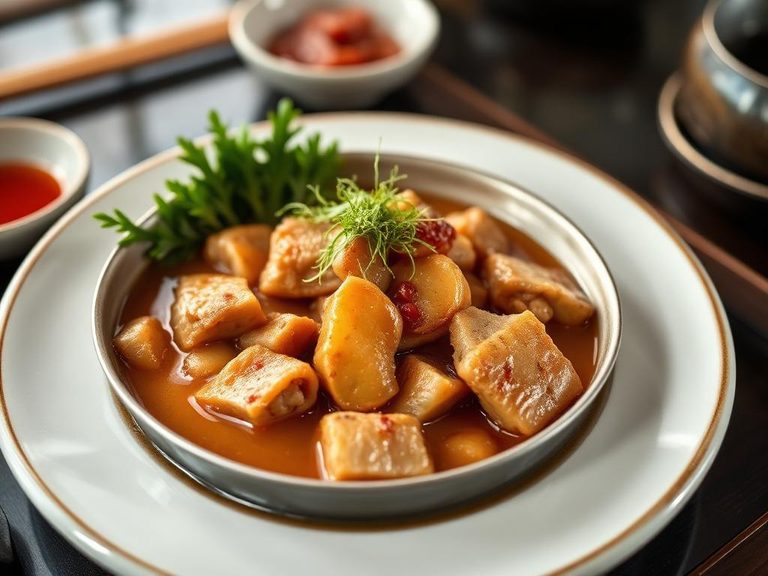
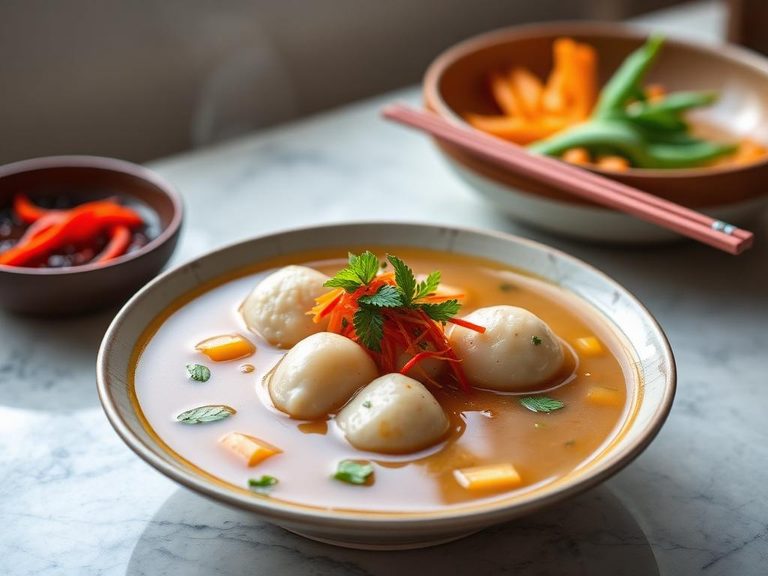
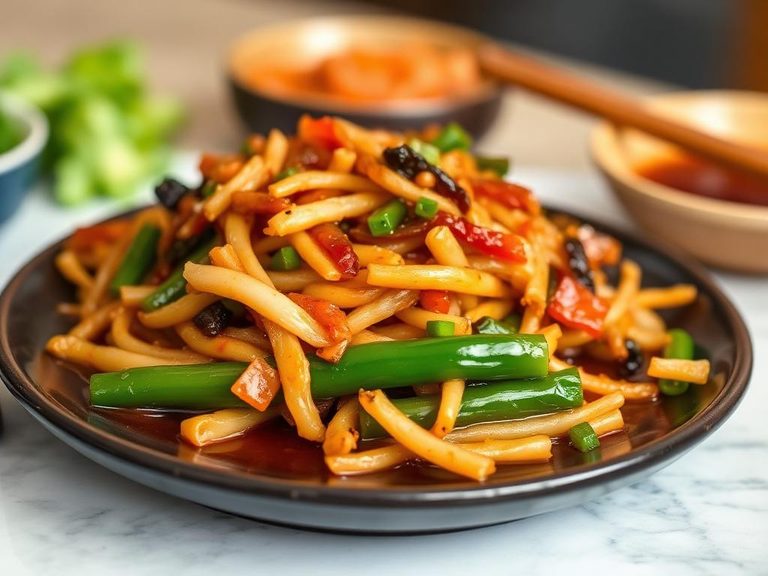
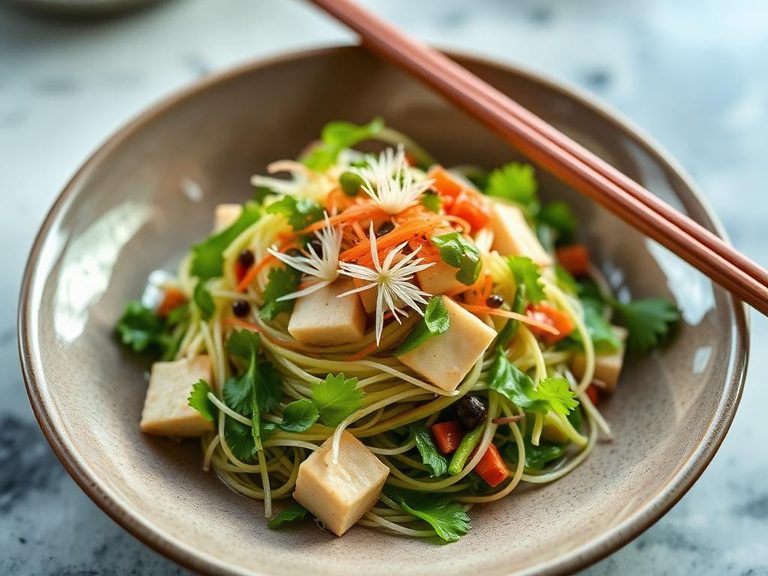
🍽️ Popular dishes
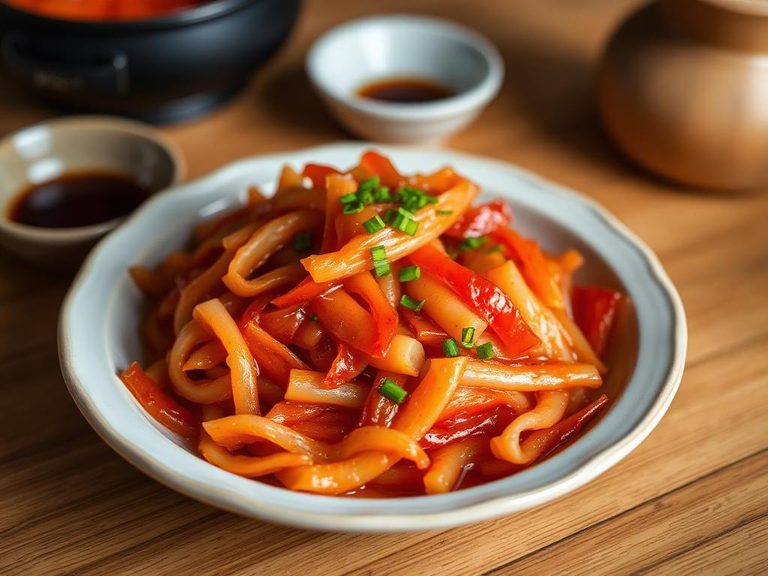
🌍 Where it's eaten
💡 Did you know?
Despite its name, the garland chrysanthemum is not typically eaten for its flowers; it is the leaves and stems that are the culinary star, prized for their aromatic, slightly peppery flavor.
Full nutrition (USDA data · scales with serving)
| Water | 91.4 g |
| Energy | 24.0 kcal |
| Energy | 99.0 kj |
| Protein | 3.4 g |
| Total lipid (fat) | 0.56 g |
| Ash | 1.7 g |
| Carbohydrate, by difference | 3.0 g |
| Fiber, total dietary | 3.0 g |
| Calcium, Ca | 117 mg |
| Iron, Fe | 2.3 mg |
| Magnesium, Mg | 32.0 mg |
| Phosphorus, P | 54.0 mg |
| Potassium, K | 567 mg |
| Sodium, Na | 118 mg |
| Zinc, Zn | 0.71 mg |
| Copper, Cu | 0.14 mg |
| Manganese, Mn | 0.94 mg |
| Vitamin C, total ascorbic acid | 1.4 mg |
| Thiamin | 0.13 mg |
| Riboflavin | 0.14 mg |
| Niacin | 0.53 mg |
| Pantothenic acid | 0.22 mg |
| Vitamin B-6 | 0.18 mg |
| Folate, total | 177 ug |
| Folic acid | 0.00 ug |
| Folate, food | 177 ug |
| Folate, DFE | 177 ug |
| Vitamin B-12 | 0.00 ug |
| Vitamin A, RAE | 116 ug |
| Retinol | 0.00 ug |
| Carotene, beta | 1380 ug |
| Carotene, alpha | 0.00 ug |
| Cryptoxanthin, beta | 24.0 ug |
| Vitamin A, IU | 2320 iu |
| Lutein + zeaxanthin | 3834 ug |
| Vitamin D (D2 + D3), International Units | 0.00 iu |
| Vitamin D (D2 + D3) | 0.00 ug |
| Vitamin K (phylloquinone) | 350 ug |
Fat & fatty acid profile (per 100g)
| Fatty acids, total trans | 0.00 g |
| Cholesterol | 0.00 mg |
FAQ
What does garland chrysanthemum taste like?
It has a distinct, aromatic bitterness with notes of chamomile, artichoke, and a slight peppery or herbaceous quality. The flavor is complex and can be mellowed by cooking.
How do I prepare garland chrysanthemum?
Wash the leaves thoroughly. For soups or hot pots, add them near the end of cooking to preserve their texture. For stir-fries, blanch briefly or cook quickly with garlic and soy sauce to balance the bitterness.
Is garland chrysanthemum nutritious?
Yes, it is low in calories but high in fiber, protein, and vitamins A and C. It also contains antioxidants and minerals, making it a nutrient-dense leafy green.
Nutrient density (calculated · NRF9.3)
Nutrient Rich Foods index: beneficial nutrients (protein, fiber, vitamins, minerals) minus saturated fat, added sugar & sodium, per 100 kcal.
NRF9.3 index — Fulgoni, Keast & Drewnowski, 2009. Computed from USDA nutrients.
Weight-loss friendliness (composite index)
Energy density 0.24 kcal/g · 56% calories from protein · 3.0 g fiber · 0.0 g sugar per 100 g.
Composite of energy density (Rolls et al., 1999), protein & fiber satiety, minus sugar. A calculated heuristic — ranks satiety-per-calorie, not a clinical measure.
Dietary load (calculated from USDA values)
Potential renal acid load. Positive = acid-forming, negative = alkaline-forming.
Sodium-to-potassium ratio: 0.21 (lower is better — aim for ≤ 1)
Sodium:potassium per WHO potassium guidance. Computed from USDA nutrients.