

Chicken, wing, meat and skin, raw
Whole food · Poultry Products
Chicken wing meat and skin, in its raw state, is a primal cut prized for its high collagen and fat content, which transforms into a succulent, rich flavor when cooked. The skin provides a satisfying, crispy texture when rendered, while the meat remains tender and juicy. Nutritionally, it is a dense source of protein and fat, with virtually no carbohydrates, making it a staple for low-carb and high-protein diets.
Calorie split: 43% protein · 0% carbs · 57% fat
↓ Full nutrition💚 Why it's loved
People love chicken wings for their unparalleled versatility and deep, savory flavor that intensifies with cooking methods like frying, grilling, or baking. They are a cultural icon, central to social gatherings, sports events, and comfort food traditions worldwide, offering a satisfying combination of crispy skin and tender meat.
⚠️ Watch-outs & how to enjoy it better
The high fat content, particularly from the skin, can be a concern for those monitoring calorie or saturated fat intake, and the skin can be a source of cholesterol. To counteract this, consider removing the skin before cooking or choosing baking/grilling over frying to reduce fat absorption. Pairing with fiber-rich vegetables or a vinegar-based sauce can help balance the meal and mitigate any potential blood sugar impact from accompanying sauces.
Key benefits
- Excellent source of complete protein for muscle maintenance and repair.
- Rich in healthy fats, including oleic acid, which supports cellular health.
- Contains collagen and gelatin from the skin and connective tissue, beneficial for skin and joint health.
- Low in carbohydrates, making it suitable for ketogenic and low-carb dietary patterns.
- Provides essential vitamins and minerals like B vitamins (especially niacin and B12) and phosphorus.
🍽️ Popular dishes
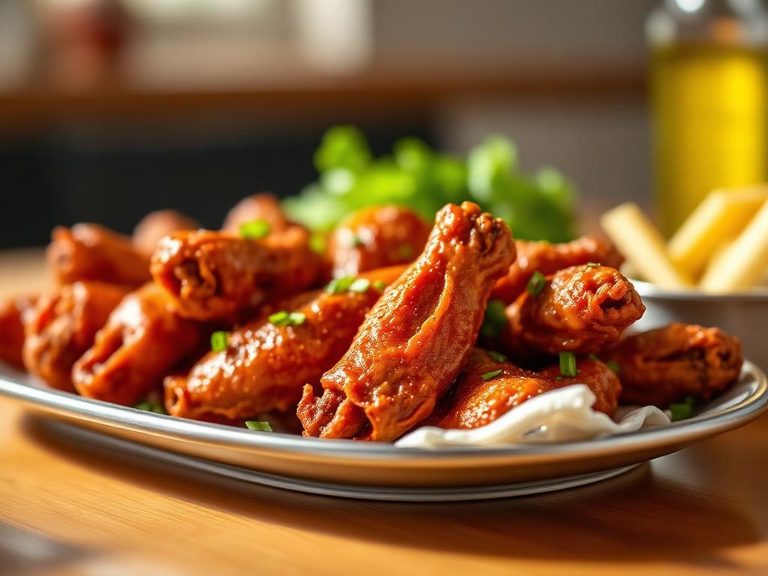
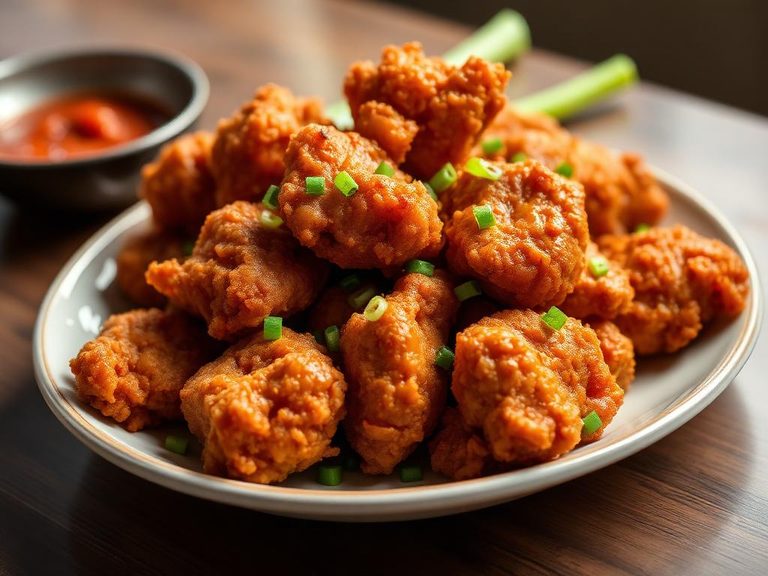
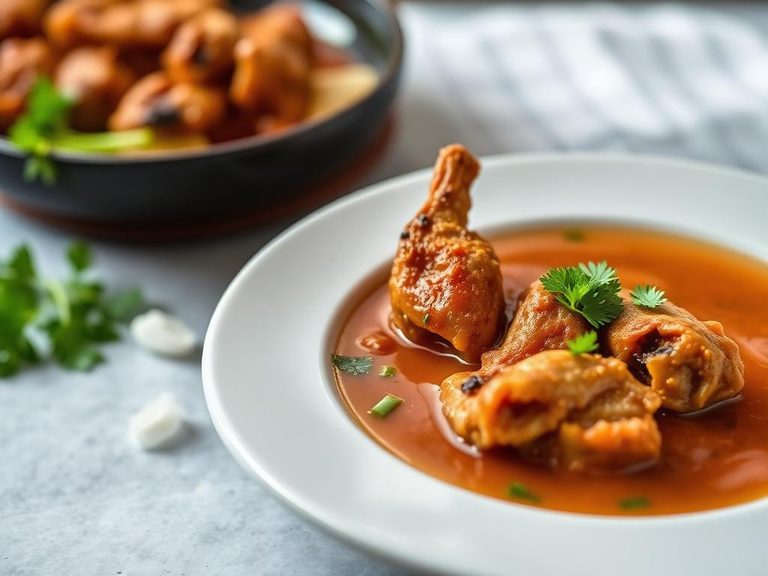
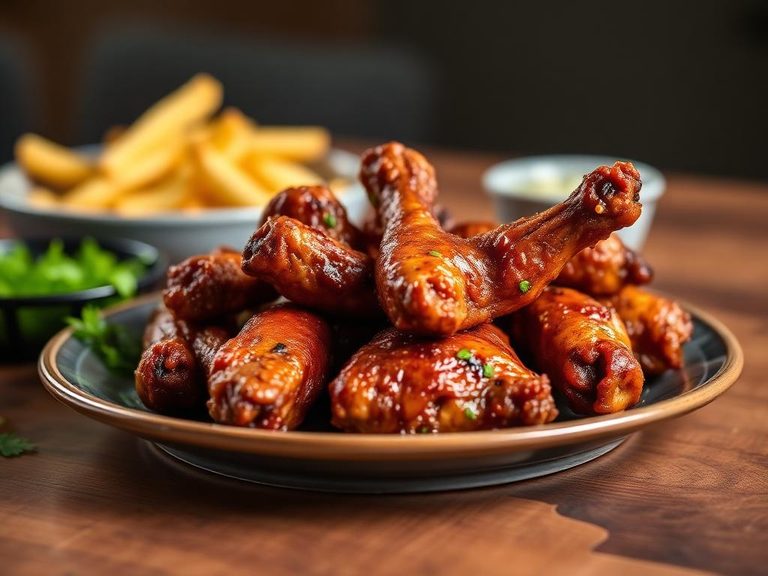
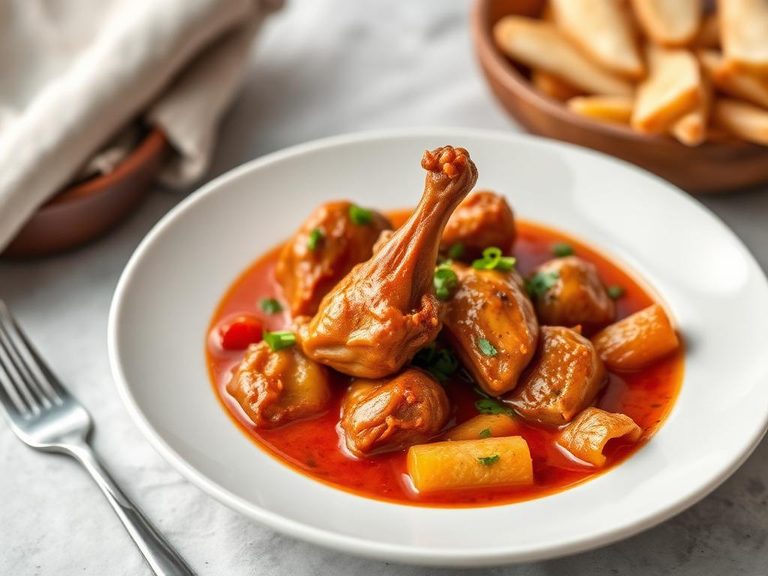
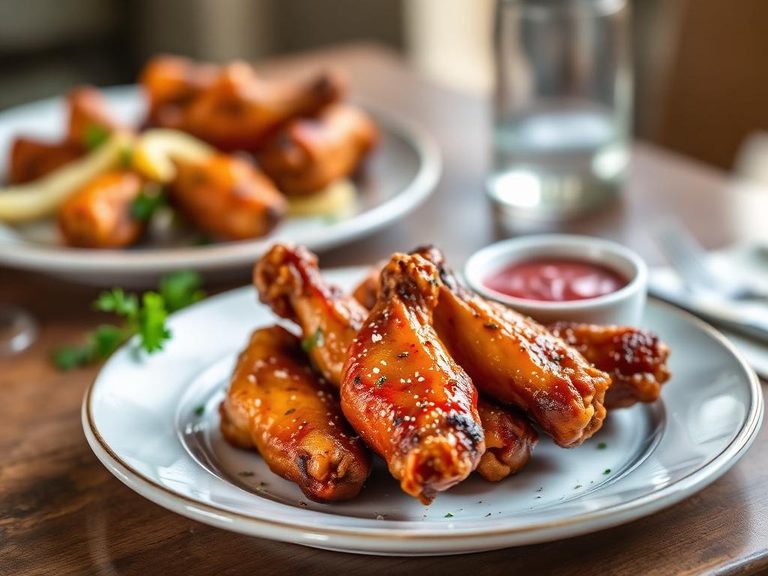
🌍 Where it's eaten
💡 Did you know?
The world record for the most chicken wings eaten in 12 minutes is 501 wings, set by Joey Chestnut in 2024, showcasing the extreme popularity of this food in competitive eating.
Full nutrition (USDA data · scales with serving)
| Water | 70.7 g |
| Energy (Atwater General Factors) | 168 kcal |
| Energy (Atwater Specific Factors) | 173 kcal |
| Nitrogen | 2.9 g |
| Protein | 18.4 g |
| Total lipid (fat) | 10.6 g |
| Ash | 0.75 g |
| Carbohydrate, by difference | -0.46 g |
| Calcium, Ca | 13.6 mg |
| Iron, Fe | 0.51 mg |
| Magnesium, Mg | 16.5 mg |
| Phosphorus, P | 133 mg |
| Potassium, K | 194 mg |
| Sodium, Na | 84.1 mg |
| Zinc, Zn | 1.2 mg |
| Copper, Cu | 0.01 mg |
| Manganese, Mn | 0.00 mg |
Fat & fatty acid profile (per 100g)
| Cholesterol | 98.9 mg |
Amino acid profile (per 100g)
Estimated from Chicken, broilers or fryers, meat and skin and giblets and neck, raw — USDA does not publish this profile for Chicken.
| Tryptophan | 0.20 g |
| Threonine | 0.76 g |
| Isoleucine | 0.91 g |
| Leucine | 1.3 g |
| Lysine | 1.5 g |
| Methionine | 0.48 g |
| Cystine | 0.25 g |
| Phenylalanine | 0.72 g |
| Tyrosine | 0.59 g |
| Valine | 0.89 g |
| Arginine | 1.2 g |
| Histidine | 0.53 g |
| Alanine | 1.1 g |
| Aspartic acid | 1.6 g |
| Glutamic acid | 2.7 g |
| Glycine | 1.2 g |
| Proline | 0.91 g |
| Serine | 0.66 g |
FAQ
Is raw chicken wing meat safe to eat?
No, raw chicken must always be cooked to an internal temperature of 165°F (74°C) to kill harmful bacteria like Salmonella and Campylobacter.
How does the skin affect the nutritional profile?
The skin significantly increases the fat and calorie content, adding flavor and texture but also more saturated fat. Removing it reduces calories and fat by about 30-40%.
What's the best way to cook chicken wings for health?
Baking or air-frying with minimal added oil is the healthiest method, as it reduces fat absorption compared to deep frying while still achieving crispiness.
Nutrient density (calculated · NRF9.3)
Nutrient Rich Foods index: beneficial nutrients (protein, fiber, vitamins, minerals) minus saturated fat, added sugar & sodium, per 100 kcal.
NRF9.3 index — Fulgoni, Keast & Drewnowski, 2009. Computed from USDA nutrients.
Weight-loss friendliness (composite index)
Energy density 1.68 kcal/g · 44% calories from protein · 0.0 g fiber · 0.0 g sugar per 100 g.
Composite of energy density (Rolls et al., 1999), protein & fiber satiety, minus sugar. A calculated heuristic — ranks satiety-per-calorie, not a clinical measure.
Dietary load (calculated from USDA values)
Potential renal acid load. Positive = acid-forming, negative = alkaline-forming.
Sodium-to-potassium ratio: 0.43 (lower is better — aim for ≤ 1)
Sodium:potassium per WHO potassium guidance. Computed from USDA nutrients.