

Beverages, LIPTON BRISK, tea, black, ready-to-drink, lemon
Whole food · Beverages
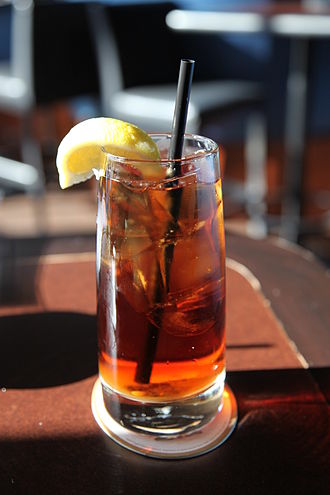
Photo: Wikipedia
Lipton Brisk Lemon Iced Tea is a ready-to-drink, sweetened black tea with a vibrant, citrusy punch. It offers a crisp, refreshing texture with a balance of tea tannins and bright lemon flavor. Nutritionally, it's a low-calorie, fat-free beverage, but its primary source of calories comes from added sugars.
Calorie split: 0% protein · 100% carbs · 0% fat
↓ Full nutrition💚 Why it's loved
People love it for its iconic, nostalgic sweet-and-sour lemon tea flavor that's both comforting and thirst-quenching. Its portability makes it a go-to for a quick, flavorful pick-me-up.
⚠️ Watch-outs & how to enjoy it better
The main downside is its high added sugar content (about 8.7g per 100g), which can contribute to blood sugar spikes if consumed in large quantities. To counteract this, practice portion control by enjoying it as an occasional treat rather than a primary hydration source, and pair it with a source of protein or healthy fat (like a handful of nuts) to help slow sugar absorption.
Key benefits
- Provides a quick source of energy from carbohydrates
- Contains zero fat and zero protein
- Offers a convenient, ready-to-drink format
- A source of hydration with flavor
🍽️ Popular dishes
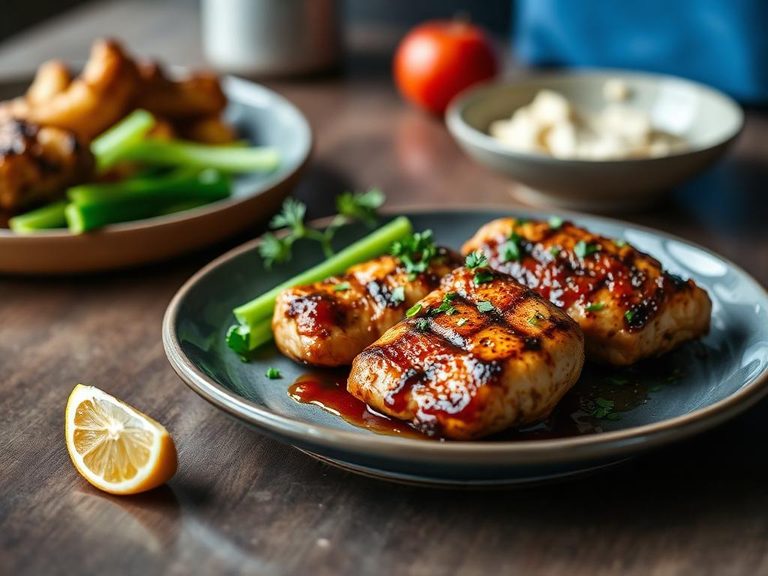
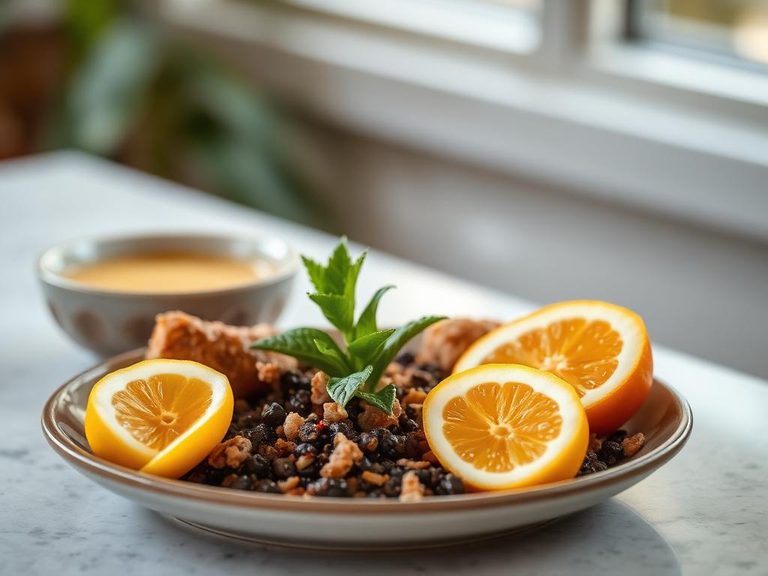
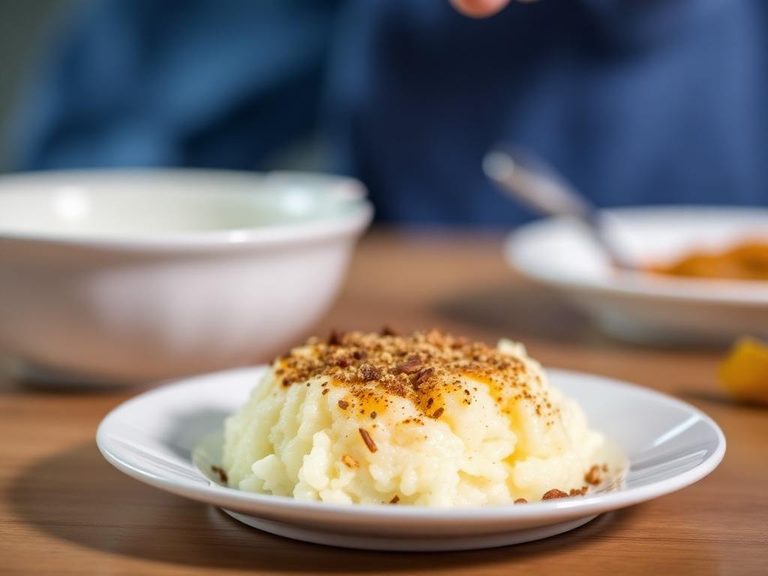
🌍 Where it's eaten
💡 Did you know?
The original Lipton Brisk campaign featured claymation characters, with the first ad airing in 1992 and becoming an iconic part of 90s pop culture.
Full nutrition (USDA data · scales with serving)
| Water | 91.1 g |
| Energy | 35.0 kcal |
| Energy | 147 kj |
| Protein | 0.00 g |
| Total lipid (fat) | 0.00 g |
| Ash | 0.12 g |
| Carbohydrate, by difference | 8.8 g |
| Fiber, total dietary | 0.00 g |
| Total Sugars | 8.7 g |
| Sucrose | 0.00 g |
| Calcium, Ca | 1.0 mg |
| Iron, Fe | 0.00 mg |
| Magnesium, Mg | 0.00 mg |
| Phosphorus, P | 26.0 mg |
| Potassium, K | 19.0 mg |
| Sodium, Na | 21.0 mg |
| Zinc, Zn | 0.01 mg |
| Copper, Cu | 0.01 mg |
| Manganese, Mn | 0.15 mg |
| Fluoride, F | 72.2 ug |
| Caffeine | 2.0 mg |
| Theobromine | 0.00 mg |
Fat & fatty acid profile (per 100g)
| Fatty acids, total saturated | 0.00 g |
| Fatty acids, total monounsaturated | 0.00 g |
| Fatty acids, total trans | 0.00 g |
| Cholesterol | 0.00 mg |
Amino acid profile (per 100g)
Estimated from Beverages, carbonated, tonic water — USDA does not publish this profile for Beverages.
| Tryptophan | 0.00 g |
| Threonine | 0.00 g |
| Isoleucine | 0.00 g |
| Leucine | 0.00 g |
| Lysine | 0.00 g |
| Methionine | 0.00 g |
| Cystine | 0.00 g |
| Phenylalanine | 0.00 g |
| Tyrosine | 0.00 g |
| Valine | 0.00 g |
| Arginine | 0.00 g |
| Histidine | 0.00 g |
| Alanine | 0.00 g |
| Aspartic acid | 0.00 g |
| Glutamic acid | 0.00 g |
| Glycine | 0.00 g |
| Proline | 0.00 g |
| Serine | 0.00 g |
FAQ
Is Lipton Brisk Lemon Tea caffeinated?
Yes, it contains caffeine from the black tea, though the exact amount varies. A typical 355ml can has about 15-30mg of caffeine, which is less than a cup of coffee.
What are the main ingredients?
The primary ingredients are water, high fructose corn syrup or sugar, citric acid, black tea concentrate, natural flavors, and sodium hexametaphosphate (a preservative).
Is it a healthy choice?
While low in fat and calories, it's considered a sugary beverage due to its added sugar content. It's best enjoyed in moderation as part of a balanced diet.
Nutrient density (calculated · NRF9.3)
Nutrient Rich Foods index: beneficial nutrients (protein, fiber, vitamins, minerals) minus saturated fat, added sugar & sodium, per 100 kcal.
NRF9.3 index — Fulgoni, Keast & Drewnowski, 2009. Computed from USDA nutrients.
Weight-loss friendliness (composite index)
Energy density 0.35 kcal/g · 0% calories from protein · 0.0 g fiber · 8.7 g sugar per 100 g.
Composite of energy density (Rolls et al., 1999), protein & fiber satiety, minus sugar. A calculated heuristic — ranks satiety-per-calorie, not a clinical measure.
Dietary load (calculated from USDA values)
Potential renal acid load. Positive = acid-forming, negative = alkaline-forming.
Sodium-to-potassium ratio: 1.11 (lower is better — aim for ≤ 1)
Sodium:potassium per WHO potassium guidance. Computed from USDA nutrients.