

Beef, tenderloin steak, raw
Whole food · Beef Products
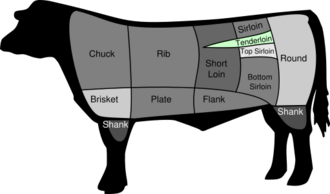
Photo: Wikipedia
Beef tenderloin, the most tender cut from the short loin of the cow, is a lean, buttery-textured steak prized for its melt-in-your-mouth quality. Its mild, refined beefy flavor is less intense than fattier cuts, making it a blank canvas for marinades and seasonings. Nutritionally, it is a powerhouse of high-quality protein with minimal fat and virtually no carbohydrates.
Calorie split: 59% protein · 1% carbs · 41% fat
↓ Full nutrition💚 Why it's loved
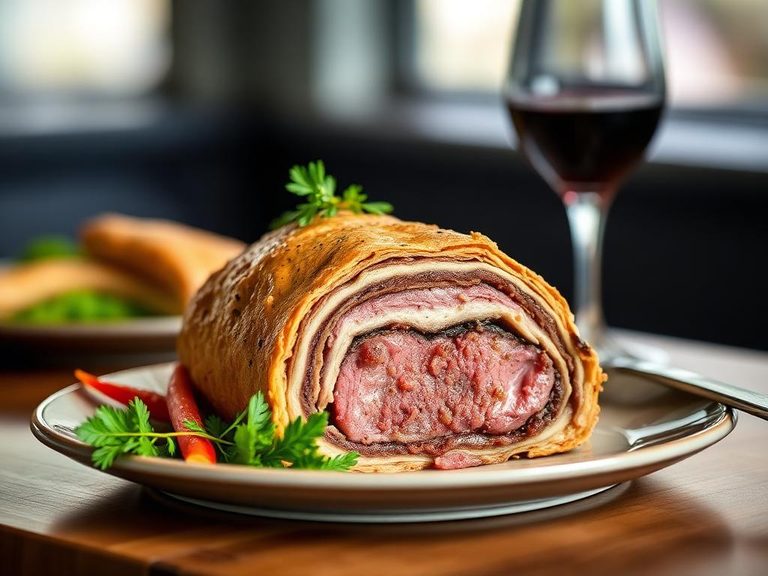
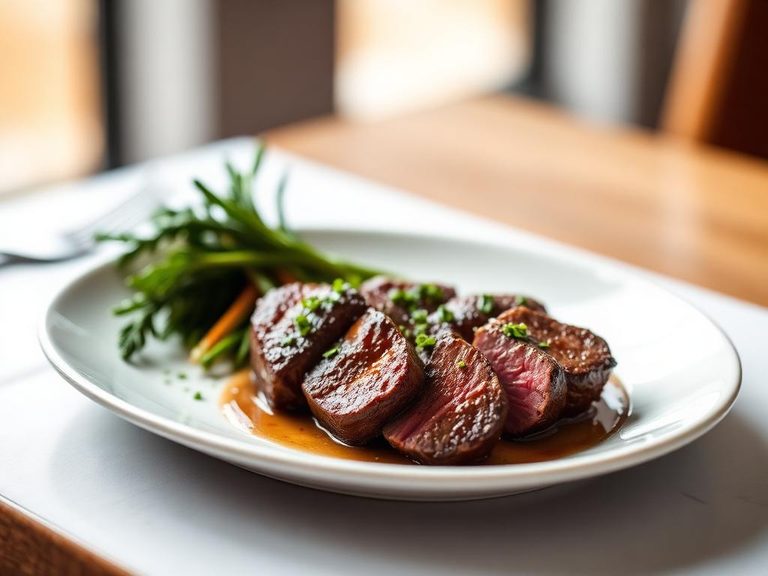
People adore it for its unparalleled tenderness and subtle, elegant flavor that feels luxurious. Its versatility allows it to be prepared simply as a steak, sliced for salads, or used in high-end dishes like Beef Wellington.
⚠️ Watch-outs & how to enjoy it better
The primary downside is its high cost and low fat content, which can make it dry if overcooked. To counteract dryness, use a meat thermometer to cook to medium-rare (130-135°F/54-57°C), rest the meat after cooking, and consider basting with butter or pairing with a rich sauce.
Key benefits
- Exceptionally high in complete protein for muscle maintenance and satiety.
- Very low in fat and carbohydrates, making it ideal for low-carb and ketogenic diets.
- Rich in essential nutrients like iron, zinc, and B vitamins (especially B12).
- Extremely low in sugar and fiber, providing a pure protein source.
🍽️ Popular dishes
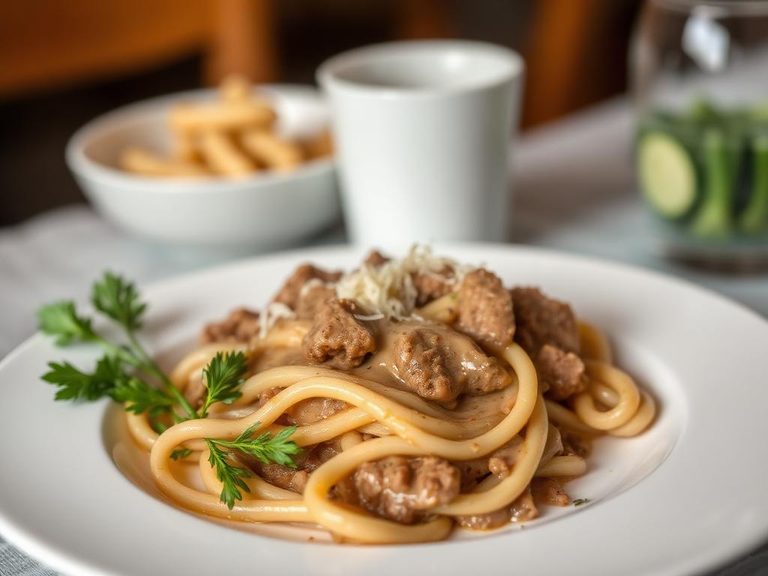
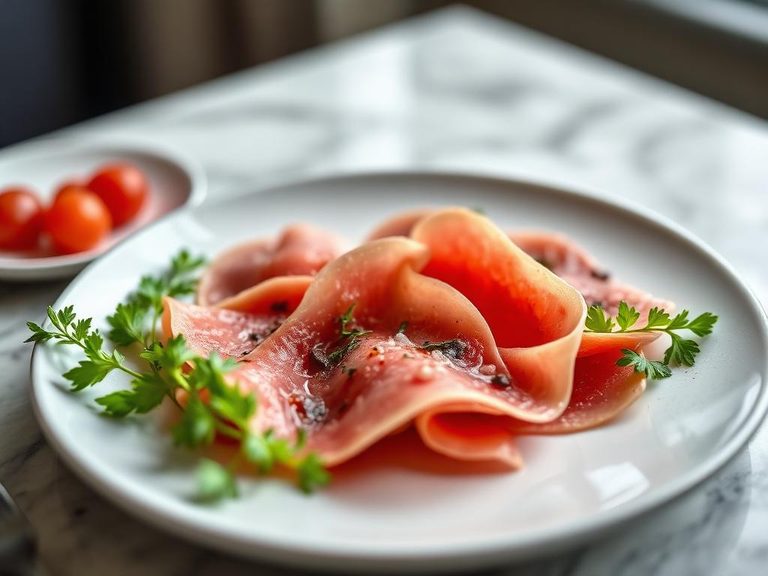
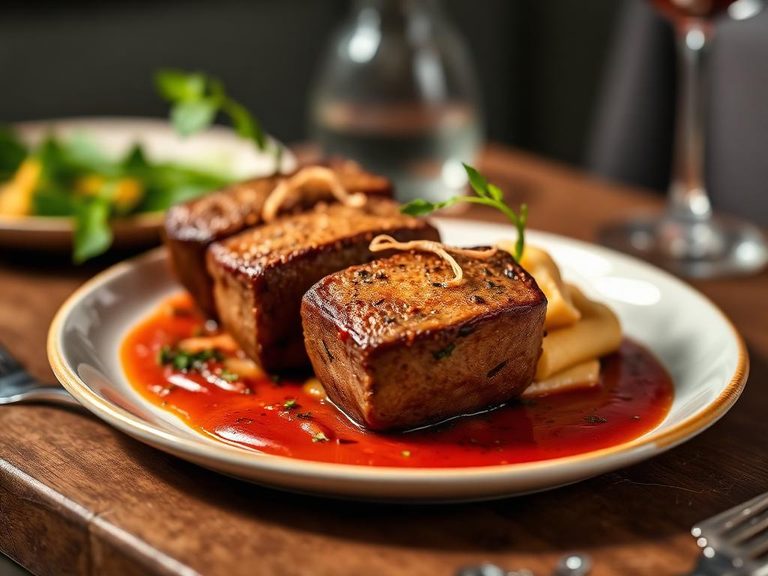
🌍 Where it's eaten
💡 Did you know?
The tenderloin is the least-exercised muscle in the cow, which is why it's the most tender cut but also the least flavorful, often requiring sauces or accompaniments to shine.
Full nutrition (USDA data · scales with serving)
| Water | 71.2 g |
| Energy (Atwater General Factors) | 143 kcal |
| Energy (Atwater Specific Factors) | 149 kcal |
| Nitrogen | 3.4 g |
| Protein | 21.1 g |
| Total lipid (fat) | 6.5 g |
| Ash | 1.1 g |
| Carbohydrate, by difference | 0.18 g |
| Calcium, Ca | 4.1 mg |
| Iron, Fe | 2.5 mg |
| Magnesium, Mg | 22.0 mg |
| Phosphorus, P | 190 mg |
| Potassium, K | 345 mg |
| Sodium, Na | 44.9 mg |
| Zinc, Zn | 3.2 mg |
| Copper, Cu | 0.10 mg |
| Manganese, Mn | 0.00 mg |
Fat & fatty acid profile (per 100g)
| Cholesterol | 64.4 mg |
Amino acid profile (per 100g)
Estimated from Beef, variety meats and by-products, mechanically separated beef, raw — USDA does not publish this profile for Beef.
| Tryptophan | 0.17 g |
| Threonine | 0.47 g |
| Isoleucine | 0.58 g |
| Leucine | 1.2 g |
| Lysine | 1.2 g |
| Methionine | 0.43 g |
| Cystine | 0.23 g |
| Phenylalanine | 0.64 g |
| Tyrosine | 0.38 g |
| Valine | 0.92 g |
| Arginine | 1.2 g |
| Histidine | 0.44 g |
| Alanine | 1.0 g |
| Aspartic acid | 1.3 g |
| Glutamic acid | 2.1 g |
| Glycine | 1.2 g |
| Proline | 0.92 g |
| Serine | 0.57 g |
FAQ
What's the difference between tenderloin and filet mignon?
Filet mignon is the French name for a steak cut from the tenderloin. It refers to the specific, smaller, rounder portion from the center of the tenderloin, while 'tenderloin' can refer to the entire muscle.
How should I cook beef tenderloin to keep it tender?
The key is to not overcook it. Use high heat for a quick sear, then finish in the oven or with lower heat until it reaches an internal temperature of 130-135°F (54-57°C) for medium-rare. Always let it rest for 5-10 minutes before slicing.
Is beef tenderloin a healthy choice?
Yes, it's very lean and high in protein, making it a healthy choice for most diets. However, it's also high in saturated fat compared to plant proteins, so it should be consumed in moderation as part of a balanced diet.
Nutrient density (calculated · NRF9.3)
Nutrient Rich Foods index: beneficial nutrients (protein, fiber, vitamins, minerals) minus saturated fat, added sugar & sodium, per 100 kcal.
NRF9.3 index — Fulgoni, Keast & Drewnowski, 2009. Computed from USDA nutrients.
Weight-loss friendliness (composite index)
Energy density 1.43 kcal/g · 59% calories from protein · 0.0 g fiber · 0.0 g sugar per 100 g.
Composite of energy density (Rolls et al., 1999), protein & fiber satiety, minus sugar. A calculated heuristic — ranks satiety-per-calorie, not a clinical measure.
Dietary load (calculated from USDA values)
Potential renal acid load. Positive = acid-forming, negative = alkaline-forming.
Sodium-to-potassium ratio: 0.13 (lower is better — aim for ≤ 1)
Sodium:potassium per WHO potassium guidance. Computed from USDA nutrients.