Yogurt, Greek, 2% fat, mango, CHOBANI
Whole food · Dairy and Egg Products

Photo: Wikipedia
A thick, creamy, and protein-packed strained yogurt with a vibrant, sweet mango puree swirled in. Its signature dense, velvety texture provides a satisfying, substantial base that balances the tropical fruit's brightness. Nutritionally, it stands out for delivering a strong protein punch (7.64g) with relatively low sugar (0g added) and moderate calories.
💚 Why it's loved
People adore it for the perfect marriage of tangy, rich Greek yogurt and the lush, familiar sweetness of ripe mango. It's a beloved grab-and-go breakfast or post-workout snack that feels indulgent yet aligns with health goals.
⚠️ Watch-outs & how to enjoy it better
The naturally occurring milk sugars (lactose) can still cause discomfort for some with lactose intolerance, despite the straining process. For those monitoring blood sugar, the fruit puree, while lower in sugar than many yogurts, still contains carbohydrates. Tip: Pair with a handful of nuts or seeds to add fat and fiber, further slowing sugar absorption and enhancing satiety.
Key benefits
- Excellent source of complete protein for muscle maintenance
- Probiotic cultures support gut microbiome health
- Strained process reduces lactose content
- Provides calcium and phosphorus for bone health
- Convenient, portable, high-protein snack
🍽️ Popular dishes
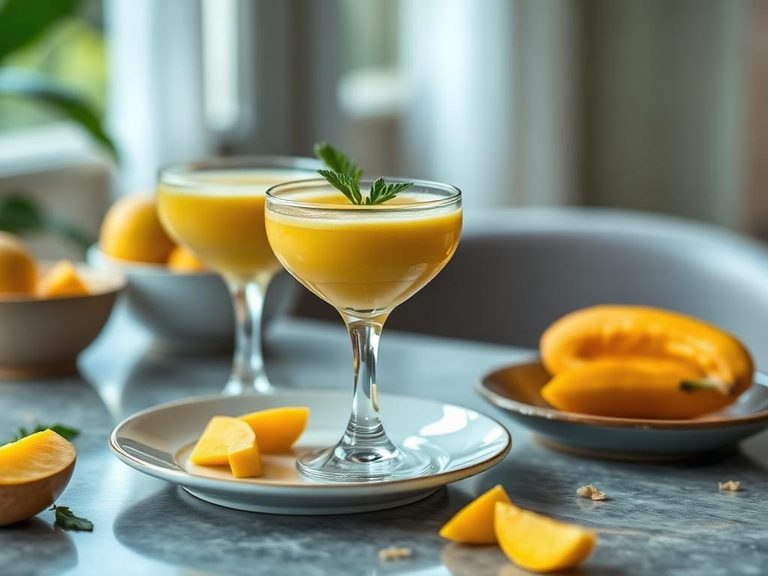
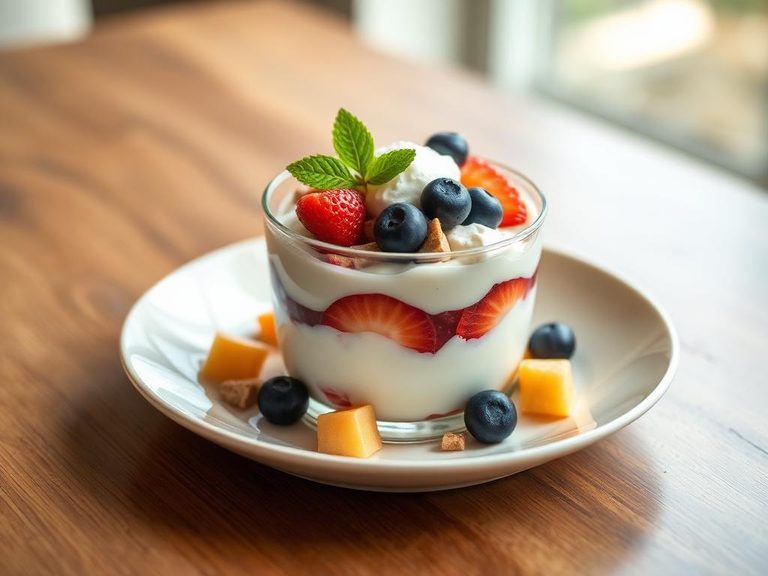
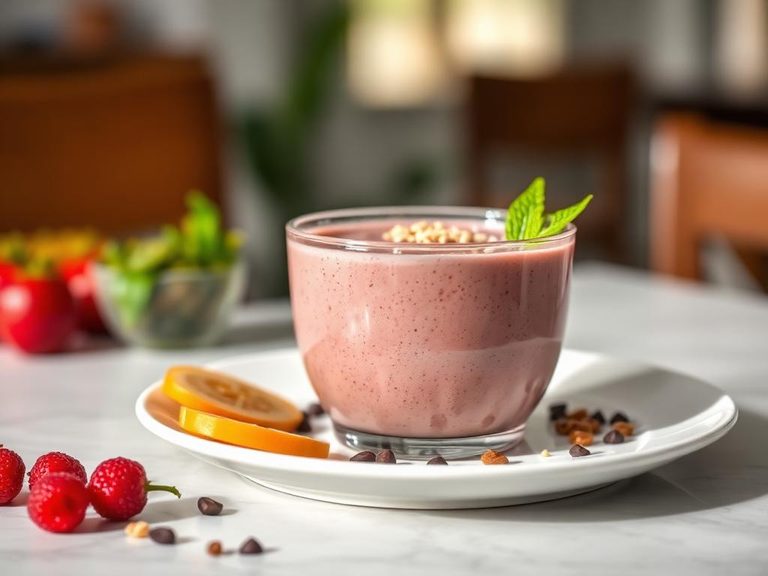
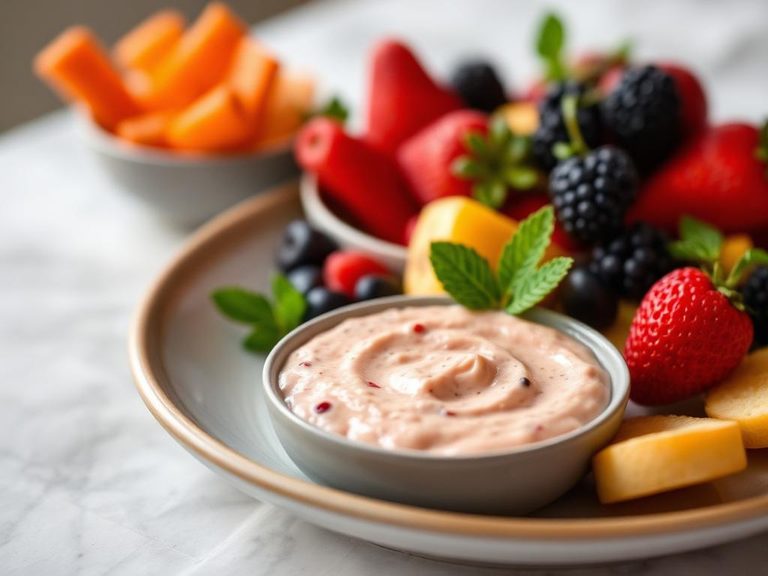
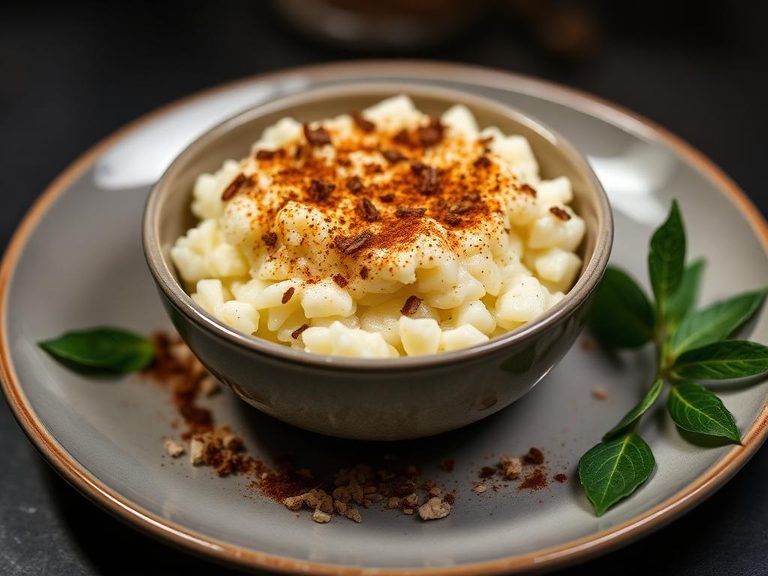
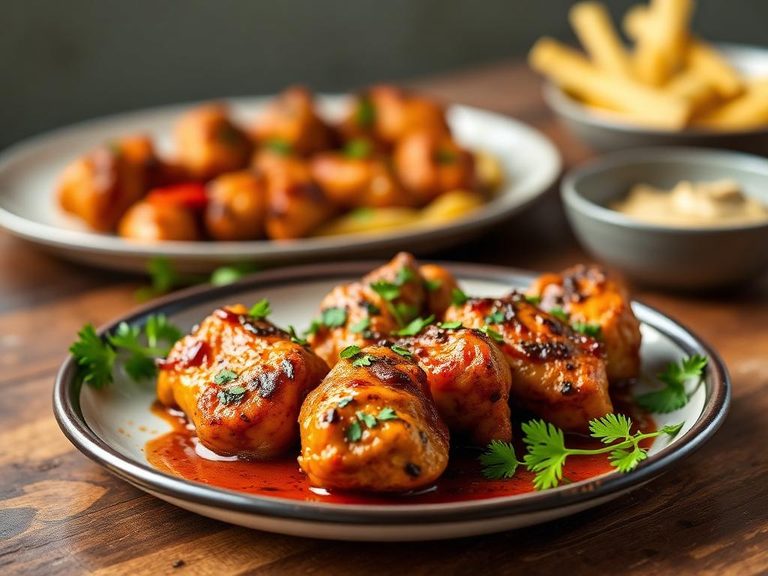
🌍 Where it's eaten
💡 Did you know?
Greek yogurt isn't traditionally Greek; the straining method is ancient and used worldwide. The term 'Greek' was popularized in the U.S. by brands like Chobani to describe the thick, labneh-like texture, making it a modern marketing success story.
Full nutrition (scales with serving)
| Water | 78.3 g |
| Energy | 93.0 kcal |
| Energy | 390 kj |
| Protein | 7.6 g |
| Total lipid (fat) | 1.7 g |
| Ash | 0.61 g |
| Carbohydrate, by difference | 11.8 g |
| Fiber, total dietary | 0.50 g |
| Sucrose | 6.5 g |
| Glucose | 0.80 g |
| Fructose | 0.89 g |
| Lactose | 2.0 g |
| Maltose | 0.00 g |
| Calcium, Ca | 89.0 mg |
| Iron, Fe | 0.03 mg |
| Sodium, Na | 30.0 mg |
| Vitamin C, total ascorbic acid | 0.00 mg |
| Vitamin A, RAE | 27.0 ug |
| Retinol | 20.0 ug |
| Carotene, beta | 80.0 ug |
| Vitamin A, IU | 199 iu |
Fat & fatty acid profile (per 100g)
| Fatty acids, total saturated | 1.0 g |
| Fatty acids, total monounsaturated | 0.39 g |
| Fatty acids, total polyunsaturated | 0.04 g |
| Fatty acids, total trans | 0.07 g |
| Cholesterol | 5.0 mg |
Amino acid profile (per 100g)
| Tryptophan | 0.11 g |
| Threonine | 0.34 g |
| Isoleucine | 0.41 g |
| Leucine | 0.76 g |
| Lysine | 0.66 g |
| Methionine | 0.21 g |
| Cystine | 0.05 g |
| Phenylalanine | 0.38 g |
| Tyrosine | 0.38 g |
| Valine | 0.50 g |
| Arginine | 0.28 g |
| Histidine | 0.22 g |
| Alanine | 0.26 g |
| Aspartic acid | 0.61 g |
| Glutamic acid | 1.6 g |
| Glycine | 0.15 g |
| Proline | 0.78 g |
| Serine | 0.42 g |
FAQ
Is this the same as regular yogurt with fruit on the bottom?
No. Greek yogurt is strained to remove whey, creating a thicker, higher-protein product. 'Fruit on the bottom' styles often use regular, unstrained yogurt and typically contain significantly more added sugar.
Can I use this in cooking or baking?
Absolutely. Its thick texture makes it a great substitute for sour cream, mayonnaise, or cream in dips, dressings, and baked goods, adding moisture and protein without as much fat.
Why does it have 0g sugar if it contains mango?
The '0g' refers to *added* sugars. The sugars present are naturally occurring lactose from milk and fructose from the mango puree, which are not counted as 'added sugars' on nutrition labels.