

Seal, bearded (Oogruk), meat, raw (Alaska Native)
Whole food · American Indian/Alaska Native Foods

Photo: Wikipedia
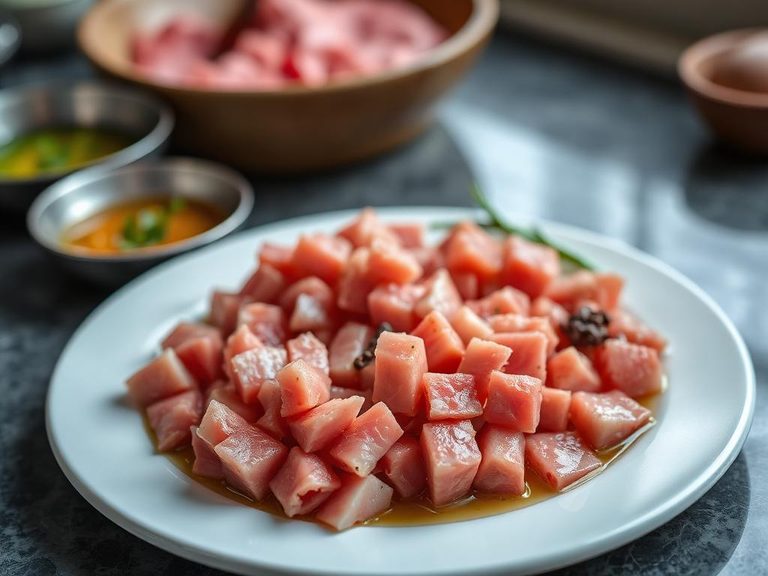
Bearded seal (Oogruk) meat is a dense, dark red, iron-rich muscle from a large Arctic marine mammal. Its raw texture is firm and slightly chewy, with a deep, gamey, and distinctly marine flavor reminiscent of very strong, mineral-rich liver. Nutritionally, it is an exceptional source of high-quality protein with virtually no fat or carbohydrates.
Calorie split: 97% protein · 0% carbs · 3% fat
↓ Full nutrition💚 Why it's loved
It is deeply cherished in Iñupiat and other Alaska Native cultures as a vital source of sustenance and a cornerstone of traditional feasts, representing a direct connection to the land and sea. The intense, unique flavor is a prized delicacy, often enjoyed raw or fermented for its authentic taste.
⚠️ Watch-outs & how to enjoy it better
The extremely strong, metallic, and gamey flavor can be overwhelming and is an acquired taste for many. As a raw meat, it carries a risk of parasites or bacteria if not sourced and handled traditionally, and its high iron content may be a concern for individuals with hemochromatosis. Always source from trusted, traditional providers and understand proper preparation methods.
Key benefits
- Extremely high in complete protein for muscle maintenance.
- Naturally zero in carbohydrates and sugars.
- Excellent source of heme iron and B vitamins.
- A traditional, nutrient-dense food for Arctic communities.
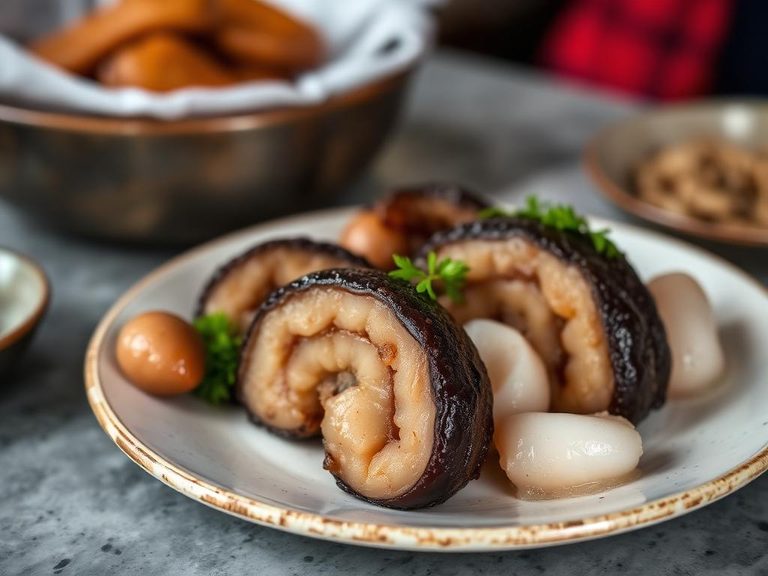
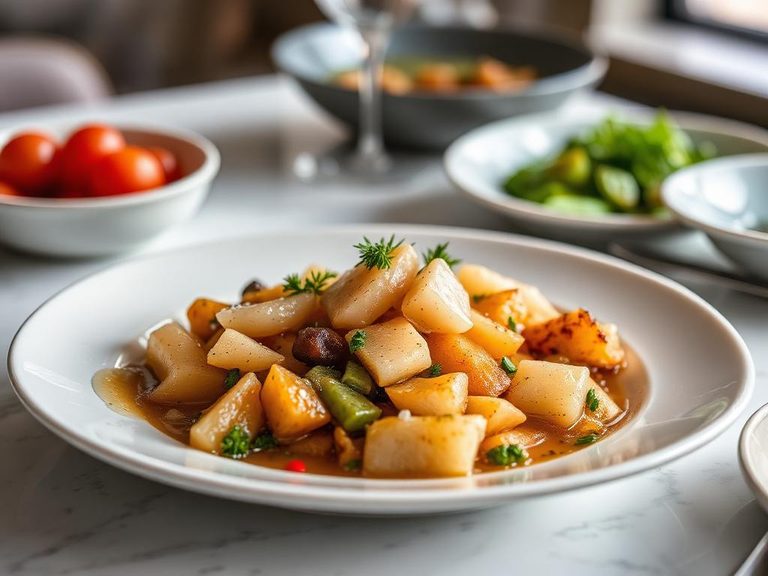
🍽️ Popular dishes
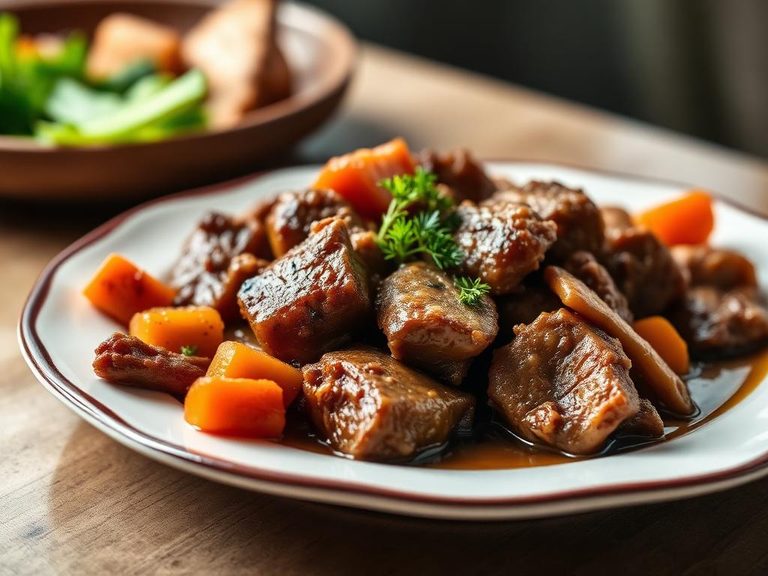
🌍 Where it's eaten
💡 Did you know?
The bearded seal is named for its long, sensitive whiskers (vibrissae), which it uses to feel for clams and shrimp on the ocean floor, making its meat a forager's bounty from the sea.
Full nutrition (USDA data · scales with serving)
| Water | 69.6 g |
| Energy | 110 kcal |
| Energy | 462 kj |
| Protein | 26.7 g |
| Total lipid (fat) | 0.40 g |
| Ash | 3.3 g |
| Carbohydrate, by difference | 0.00 g |
| Calcium, Ca | 10.0 mg |
| Iron, Fe | 12.9 mg |
| Phosphorus, P | 198 mg |
| Thiamin | 0.20 mg |
| Riboflavin | 0.26 mg |
| Niacin | 5.9 mg |
| Vitamin A, IU | 1400 iu |
Fat & fatty acid profile (per 100g)
| Cholesterol | 100 mg |
Amino acid profile (per 100g)
Estimated from Seal, bearded (Oogruk), meat, partially dried (Alaska Native) — USDA does not publish this profile for Seal.
| Tryptophan | 0.60 g |
| Threonine | 2.4 g |
| Isoleucine | 2.4 g |
| Leucine | 4.8 g |
| Lysine | 5.1 g |
| Methionine | 1.3 g |
| Cystine | 0.34 g |
| Phenylalanine | 2.5 g |
| Tyrosine | 1.6 g |
| Valine | 2.4 g |
| Arginine | 3.5 g |
| Histidine | 2.2 g |
| Alanine | 3.6 g |
| Aspartic acid | 5.2 g |
| Glutamic acid | 8.3 g |
| Glycine | 3.3 g |
| Proline | 2.9 g |
| Serine | 2.3 g |
FAQ
How does the taste compare to other game meats?
It is far more intense and 'oceanic' than land game like venison or elk. The flavor is often compared to very strong, iron-rich liver or sardines, with a pronounced mineral and metallic note.
Is it safe to eat raw?
In traditional contexts, yes, when prepared using time-honored methods that minimize risk. For others, it is strongly recommended to cook it thoroughly or source it from a supplier who follows strict safety protocols for raw consumption.
What is the best way to prepare it for a first-timer?
Start with a small, cooked portion. Boiling or stewing can mellow the flavor slightly. It is often served with a dipping sauce of seal oil or a mild, fatty component to balance the intensity.
Weight-loss friendliness (composite index)
Energy density 1.10 kcal/g · 97% calories from protein · 0.0 g fiber · 0.0 g sugar per 100 g.
Composite of energy density (Rolls et al., 1999), protein & fiber satiety, minus sugar. A calculated heuristic — ranks satiety-per-calorie, not a clinical measure.