

Sea lion, Steller, meat (Alaska Native)
Whole food · American Indian/Alaska Native Foods

Photo: Wikipedia
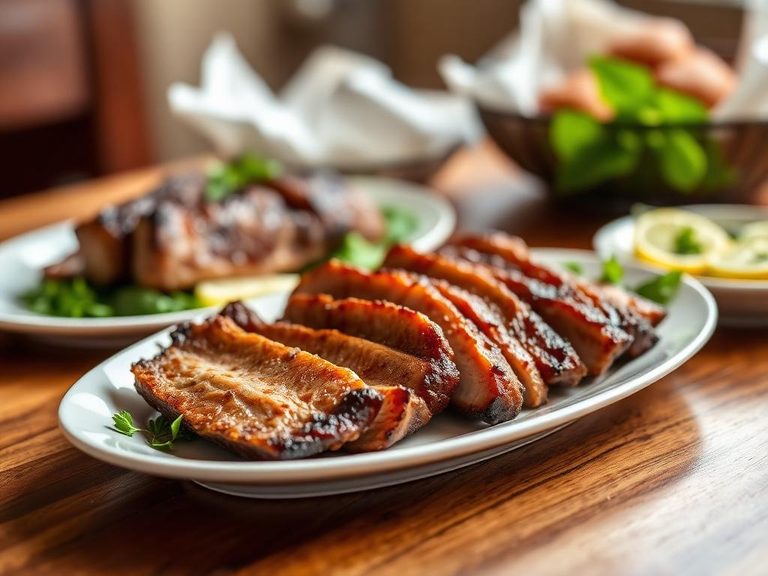
Steller sea lion meat is a dense, dark red protein source from the marine mammals of the North Pacific, prized by Alaska Native communities. It has a rich, gamey flavor similar to beef liver or seal, with a firm, slightly chewy texture when cooked. Nutritionally, it is an exceptional lean protein powerhouse with virtually no fat or carbohydrates.
Calorie split: 86% protein · 0% carbs · 14% fat
↓ Full nutrition💚 Why it's loved
It is deeply valued for its cultural significance in Alaska Native traditions and its role in subsistence living. The meat's intense, savory flavor and hearty texture make it a satisfying staple for those accustomed to it.
⚠️ Watch-outs & how to enjoy it better
The strong, gamey taste and dense texture can be unpalatable to those unfamiliar with wild game or marine mammal meat. It should be consumed in moderation due to potential high levels of environmental contaminants (like mercury) that bioaccumulate in marine predators; pairing with antioxidant-rich foods and sourcing from trusted, tested harvests can mitigate this risk.
Key benefits
- Extremely high in protein per calorie
- Naturally free of carbohydrates and sugars
- Very low in fat, especially saturated fat
- A traditional, sustainable subsistence food source
- Provides essential micronutrients like iron and B12
🍽️ Popular dishes
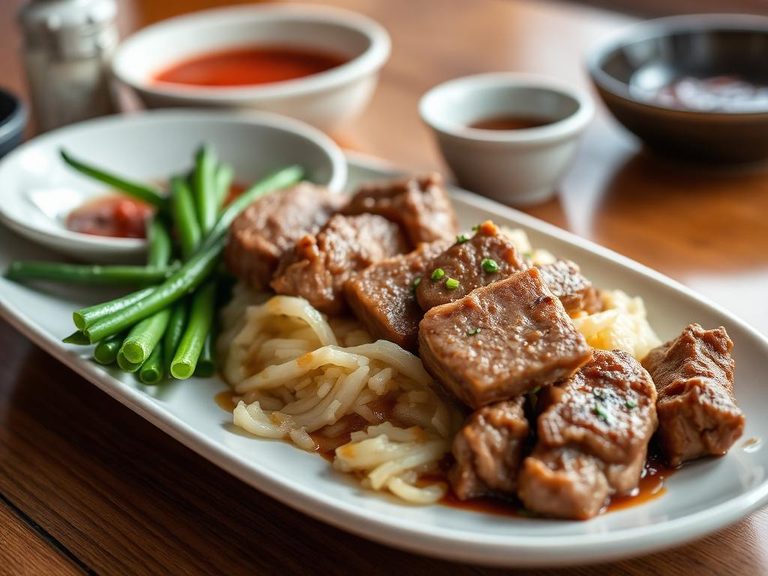
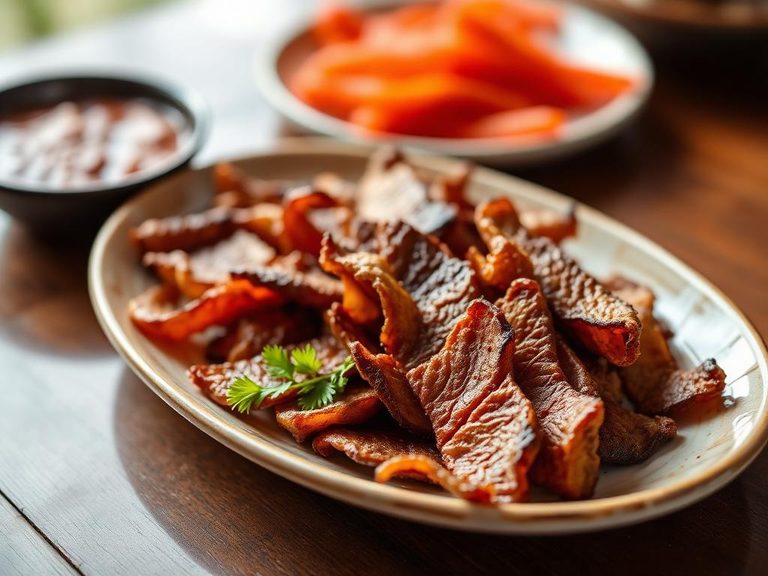
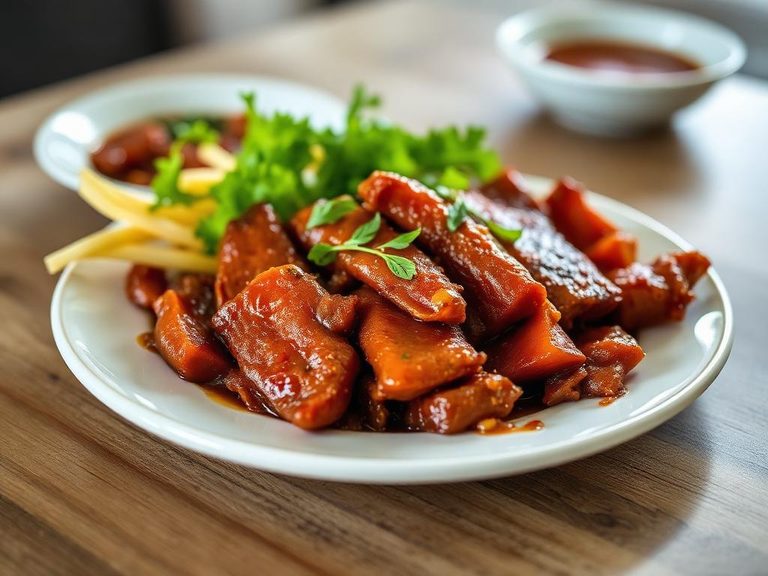
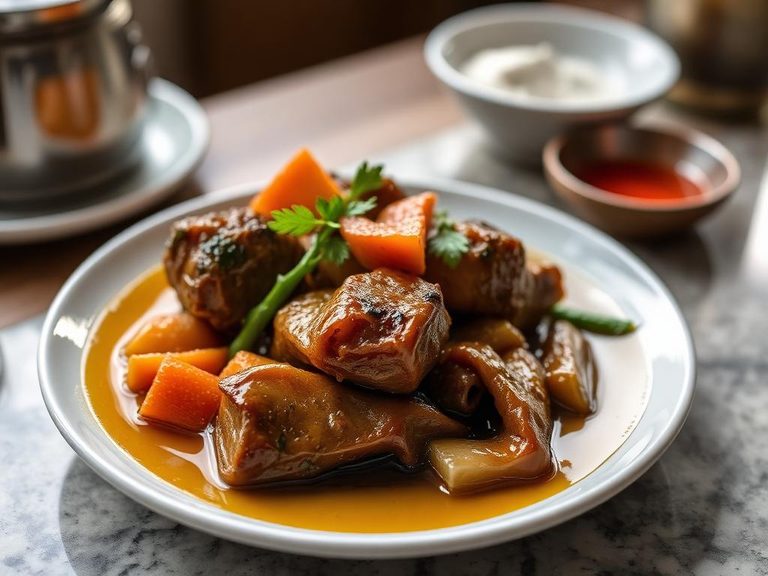
🌍 Where it's eaten
💡 Did you know?
A single adult Steller sea bull can weigh up to 2,500 pounds, making its meat a massive, calorie-dense resource that can sustain a community through a harsh winter.
Full nutrition (USDA data · scales with serving)
| Water | 71.2 g |
| Energy | 120 kcal |
| Energy | 503 kj |
| Protein | 25.9 g |
| Total lipid (fat) | 1.9 g |
| Ash | 1.1 g |
| Carbohydrate, by difference | 0.00 g |
| Calcium, Ca | 6.0 mg |
| Iron, Fe | 11.5 mg |
| Magnesium, Mg | 22.0 mg |
| Phosphorus, P | 253 mg |
| Potassium, K | 406 mg |
| Sodium, Na | 62.0 mg |
| Zinc, Zn | 3.3 mg |
| Copper, Cu | 0.53 mg |
| Manganese, Mn | 0.02 mg |
| Selenium, Se | 112 ug |
| Vitamin C, total ascorbic acid | 0.00 mg |
| Vitamin A, RAE | 0.00 ug |
| Vitamin D (D2 + D3), International Units | 1.0 iu |
| Vitamin D (D2 + D3) | 0.00 ug |
Fat & fatty acid profile (per 100g)
| Fatty acids, total monounsaturated | 0.10 g |
| Cholesterol | 64.0 mg |
Amino acid profile (per 100g)
Estimated from Sea lion, Steller, liver (Alaska Native) — USDA does not publish this profile for Sea lion.
| Tryptophan | 0.40 g |
| Threonine | 1.3 g |
| Isoleucine | 1.4 g |
| Methionine | 0.30 g |
| Valine | 0.10 g |
| Arginine | 3.4 g |
| Histidine | 0.50 g |
| Alanine | 0.10 g |
| Aspartic acid | 0.20 g |
| Proline | 0.10 g |
| Serine | 0.30 g |
FAQ
Is Steller sea lion meat safe to eat?
When harvested legally and prepared traditionally by Alaska Native communities, it is a safe and important food source. However, due to its position as a top marine predator, it can accumulate environmental contaminants, so consumption by non-locals or in large quantities is generally advised against.
What does it taste like?
It has a very strong, distinct flavor often described as gamey, fishy, and liver-like, with a dense, muscular texture. It is not a mild meat.
How is it typically prepared?
Traditional preparations include drying, smoking, fermenting, or boiling. It is often served with seal oil or other traditional fats to enhance flavor and provide calories.
Nutrient density (calculated · NRF9.3)
Nutrient Rich Foods index: beneficial nutrients (protein, fiber, vitamins, minerals) minus saturated fat, added sugar & sodium, per 100 kcal.
NRF9.3 index — Fulgoni, Keast & Drewnowski, 2009. Computed from USDA nutrients.
Weight-loss friendliness (composite index)
Energy density 1.20 kcal/g · 86% calories from protein · 0.0 g fiber · 0.0 g sugar per 100 g.
Composite of energy density (Rolls et al., 1999), protein & fiber satiety, minus sugar. A calculated heuristic — ranks satiety-per-calorie, not a clinical measure.
Dietary load (calculated from USDA values)
Potential renal acid load. Positive = acid-forming, negative = alkaline-forming.
Sodium-to-potassium ratio: 0.15 (lower is better — aim for ≤ 1)
Sodium:potassium per WHO potassium guidance. Computed from USDA nutrients.