

Sea lion, Steller, liver (Alaska Native)
Whole food · American Indian/Alaska Native Foods

Photo: Wikipedia
Steller sea lion liver is a dense, nutrient-packed organ meat traditionally harvested by Alaska Native peoples, prized for its rich, iron-heavy flavor and smooth, slightly gamey texture. It stands out as an exceptionally lean protein source with virtually no carbohydrates, making it a powerful staple in traditional Arctic diets. Its deep, earthy taste and firm consistency make it a unique culinary ingredient, often prepared simply to highlight its natural qualities.
Calorie split: 67% protein · 0% carbs · 33% fat
↓ Full nutrition💚 Why it's loved
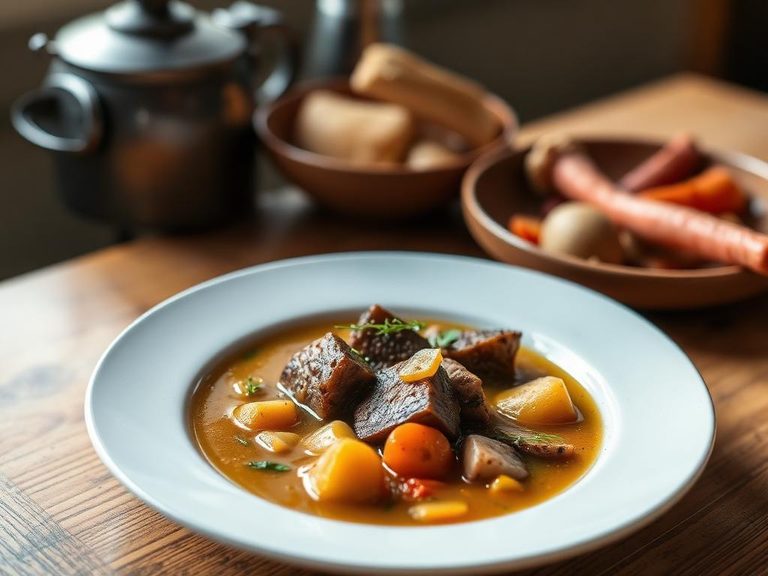
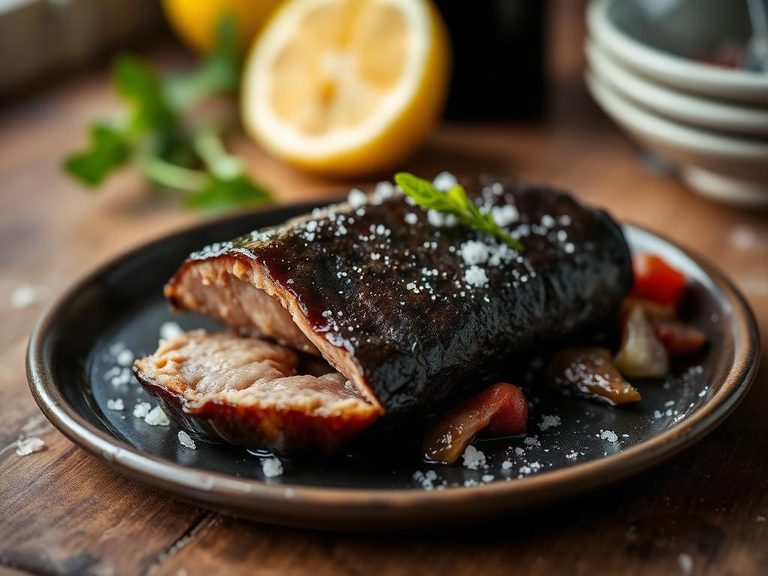
People love it for its deep, savory flavor and cultural significance, representing a connection to ancestral hunting traditions and the Arctic environment. Its versatility in simple preparations, from drying to stewing, makes it a valued component of traditional feasts and daily sustenance.
⚠️ Watch-outs & how to enjoy it better
The strong, gamey taste and dense texture can be off-putting to those unfamiliar with organ meats or Arctic cuisine. It is also very high in vitamin A, which can be toxic in large quantities; moderation is key, and it should be consumed as part of a varied diet rather than a primary staple.
Key benefits
- Extremely high in protein with zero carbohydrates.
- Rich in vitamin A, essential for vision and immune function.
- Contains significant amounts of iron and B vitamins for energy metabolism.
- A traditional, sustainable food source for Alaska Native communities.
🍽️ Popular dishes
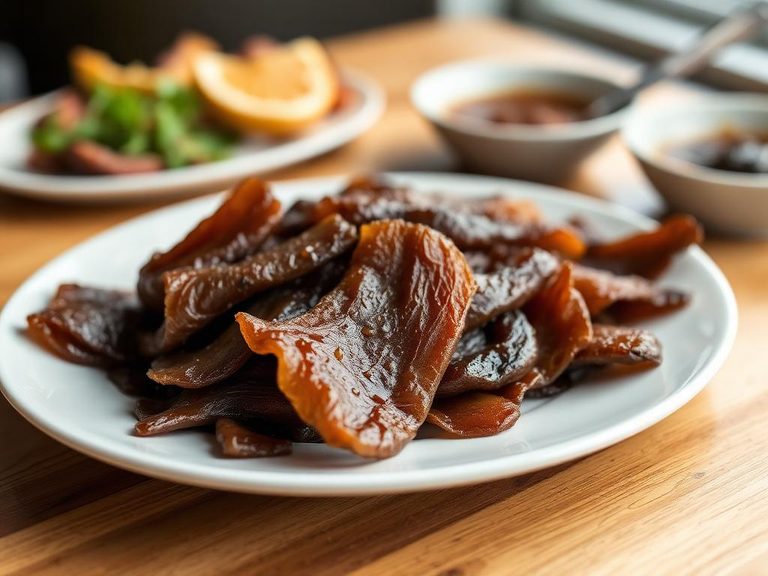
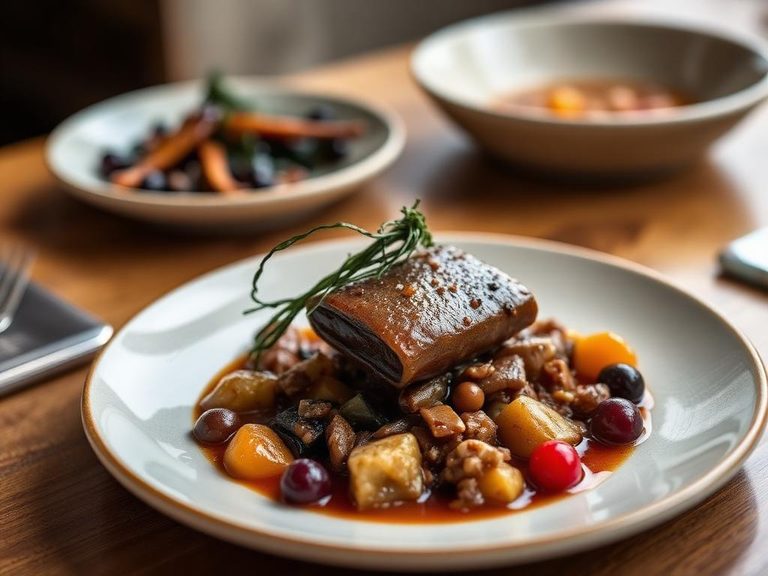
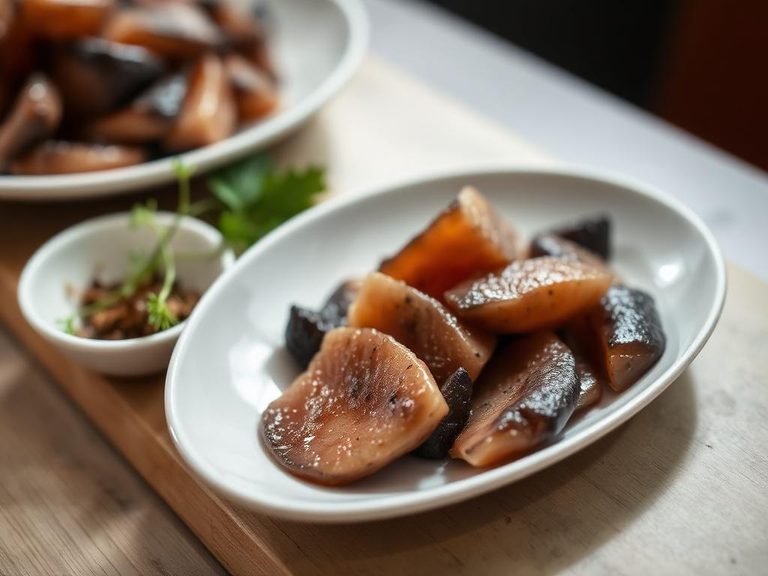
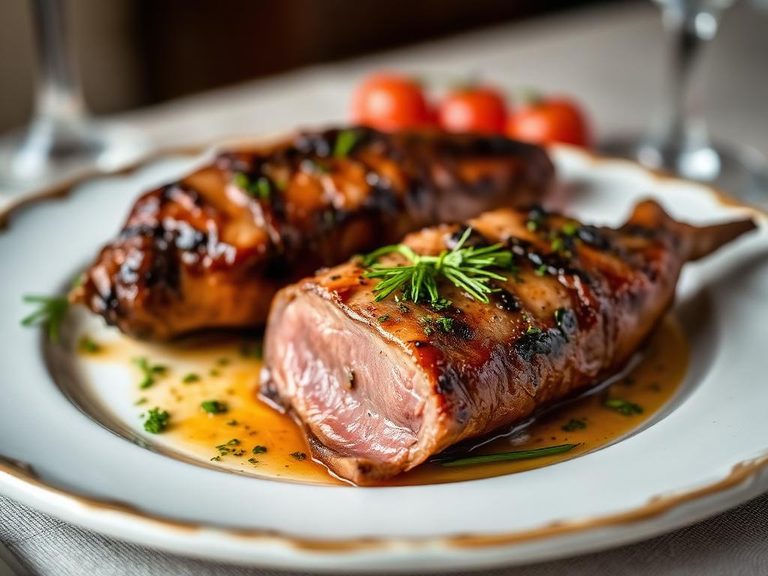
🌍 Where it's eaten
💡 Did you know?
Steller sea lion liver can contain extremely high levels of vitamin A—so much that consuming it in large quantities could cause hypervitaminosis A, a condition historically known as 'vitamin A toxicity' among Arctic explorers.
Full nutrition (USDA data · scales with serving)
| Water | 71.3 g |
| Energy | 137 kcal |
| Energy | 572 kj |
| Protein | 22.9 g |
| Total lipid (fat) | 5.0 g |
| Ash | 0.83 g |
| Carbohydrate, by difference | 0.00 g |
| Calcium, Ca | 6.0 mg |
| Iron, Fe | 9.0 mg |
| Magnesium, Mg | 22.0 mg |
| Phosphorus, P | 396 mg |
| Potassium, K | 291 mg |
| Sodium, Na | 88.0 mg |
| Zinc, Zn | 4.1 mg |
| Copper, Cu | 1.9 mg |
| Manganese, Mn | 0.70 mg |
| Selenium, Se | 693 ug |
Fat & fatty acid profile (per 100g)
| Fatty acids, total saturated | 1.3 g |
| SFA 18:0 | 0.70 g |
| Fatty acids, total monounsaturated | 0.90 g |
| Fatty acids, total polyunsaturated | 0.20 g |
| Fatty acids, total trans | 0.00 g |
| Cholesterol | 359 mg |
Amino acid profile (per 100g)
| Tryptophan | 0.40 g |
| Threonine | 1.3 g |
| Isoleucine | 1.4 g |
| Methionine | 0.30 g |
| Valine | 0.10 g |
| Arginine | 3.4 g |
| Histidine | 0.50 g |
| Alanine | 0.10 g |
| Aspartic acid | 0.20 g |
| Proline | 0.10 g |
| Serine | 0.30 g |
FAQ
Is Steller sea lion liver safe to eat?
Yes, it is a traditional food for Alaska Native peoples, but it should be consumed in moderation due to its very high vitamin A content. Large quantities can lead to vitamin A toxicity.
What does Steller sea lion liver taste like?
It has a rich, iron-heavy, slightly gamey flavor with a smooth, dense texture. The taste is more intense than beef liver and is often described as earthy or mineral-rich.
How is Steller sea lion liver typically prepared?
It is often dried, smoked, stewed, or fermented. Traditional preparations may include pairing with seaweed, berries, or root vegetables to balance its strong flavor.
Can I eat Steller sea lion liver if I have a seafood allergy?
It is a marine mammal product, so it may trigger allergies in individuals sensitive to seafood or marine proteins. Consult a healthcare provider if you have known allergies.
Nutrient density (calculated · NRF9.3)
Nutrient Rich Foods index: beneficial nutrients (protein, fiber, vitamins, minerals) minus saturated fat, added sugar & sodium, per 100 kcal.
NRF9.3 index — Fulgoni, Keast & Drewnowski, 2009. Computed from USDA nutrients.
Weight-loss friendliness (composite index)
Energy density 1.37 kcal/g · 67% calories from protein · 0.0 g fiber · 0.0 g sugar per 100 g.
Composite of energy density (Rolls et al., 1999), protein & fiber satiety, minus sugar. A calculated heuristic — ranks satiety-per-calorie, not a clinical measure.
Dietary load (calculated from USDA values)
Potential renal acid load. Positive = acid-forming, negative = alkaline-forming.
Sodium-to-potassium ratio: 0.30 (lower is better — aim for ≤ 1)
Sodium:potassium per WHO potassium guidance. Computed from USDA nutrients.