Cured sea liver with salt and fat
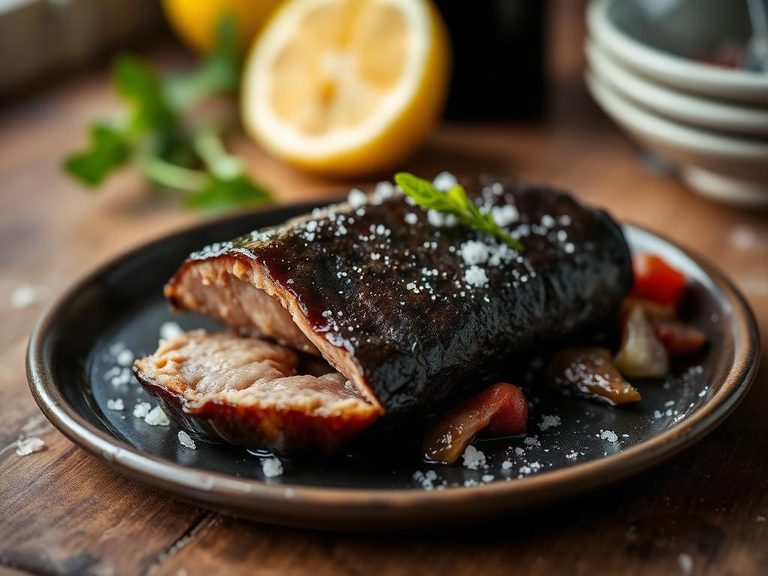
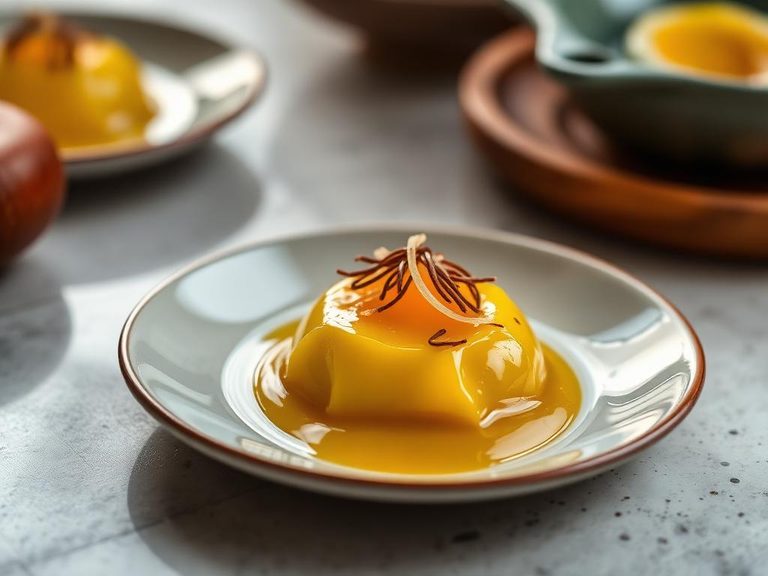
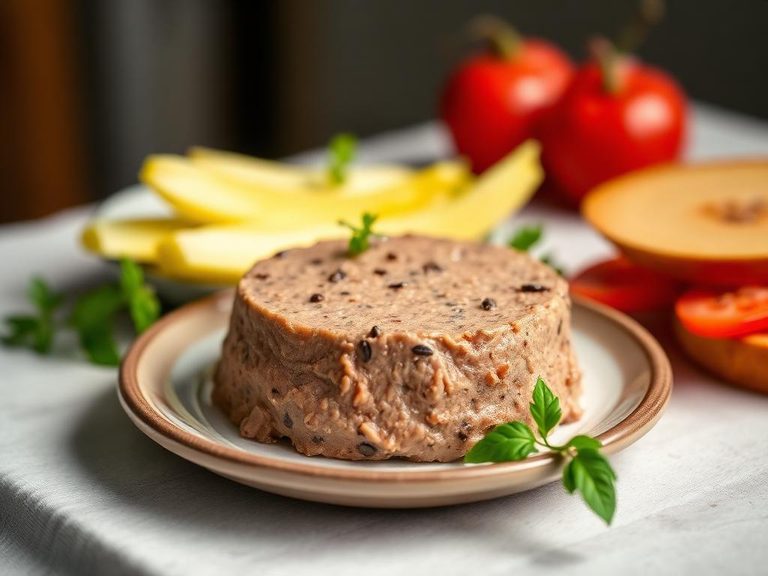
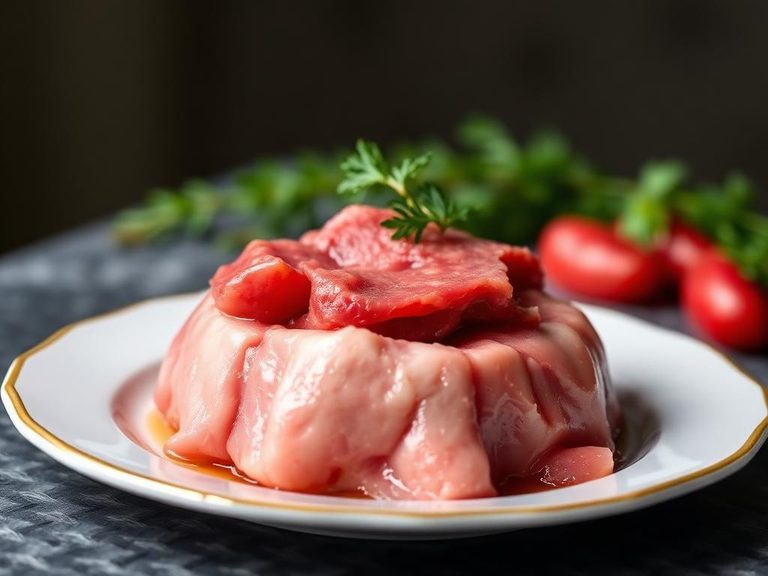
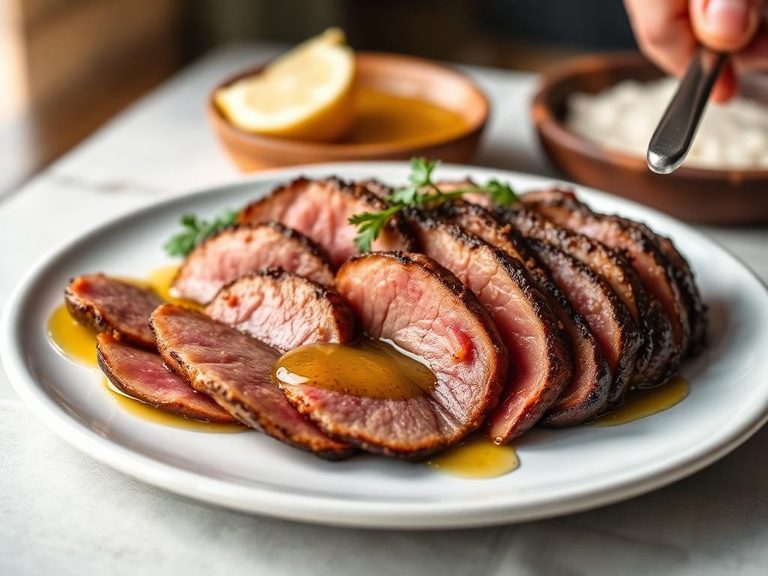
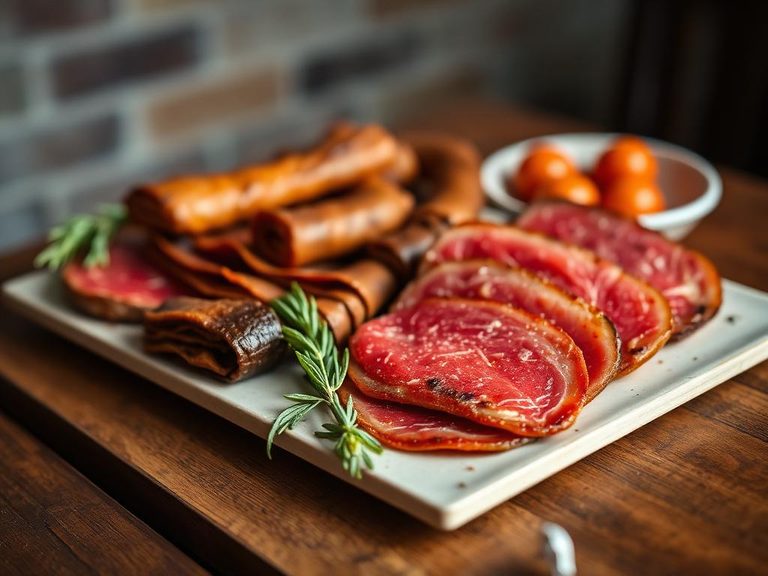
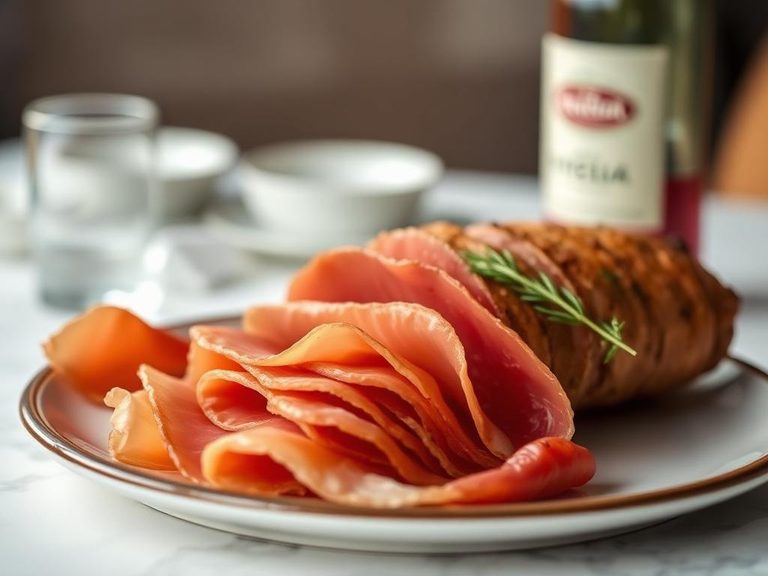
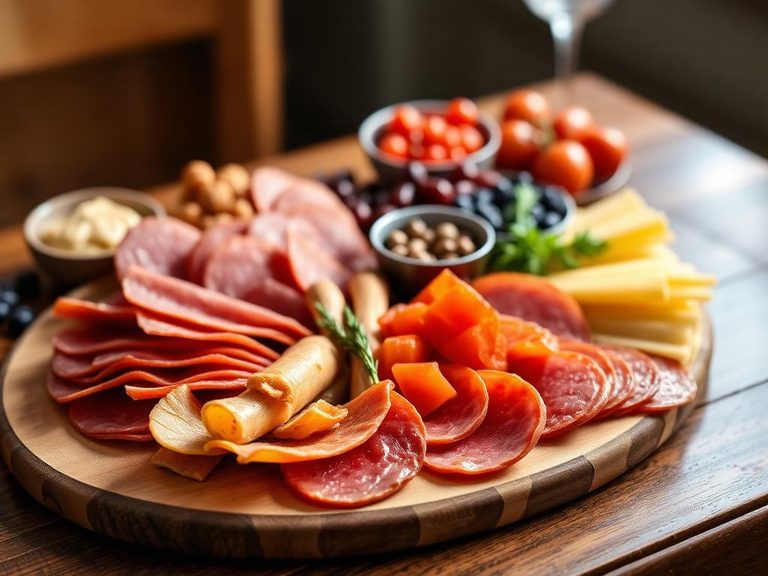
Cured sea liver with salt and fat is a traditional preserved delicacy, typically made from the liver of large marine fish like tuna or cod, which is salted and then packed in fat (often its own or olive oil) for curing. Originating from coastal Mediterranean regions, particularly Italy and Spain, it is considered a rustic, high-energy food with a long shelf life.
🍽️ Nutrition at a glance
This dish is extremely high in fat and protein, with virtually no carbohydrates. It provides a dense source of energy, along with significant amounts of vitamin D, vitamin B12, and omega-3 fatty acids. A typical serving can range from 400 to 600 calories, depending on the fat content and portion size.
Nutrition breakdown
| Calories | 480 kcal |
| Protein | 14 g |
| Carbs | 0 g |
| Fat | 48 g |
| Fiber | 0 g |
| Sugar | 0 g |
| Sodium | 1200 mg |
| Vitamin D | 15 µg |
| Vitamin B12 | 18 µg |
| Omega-3 (EPA+DHA) | 1.2 g |
| Vitamin A | 450 µg |
| Selenium | 35 µg |
| Phosphorus | 280 mg |
| Cholesterol | 190 mg |
| Iron | 3.5 mg |
Per 1 piece (100 g) · estimated, varies by recipe
💡 What's interesting
Nutritionally, it's a powerhouse of fat-soluble vitamins and healthy fats, making it a historical staple for sailors and coastal communities needing calorie-dense provisions. Culturally, it represents an ancient method of preservation that transforms a perishable organ into a long-lasting, flavorful food.