

Sea lion, Steller, heart (Alaska Native)
Whole food · American Indian/Alaska Native Foods

Photo: Wikipedia
Steller sea lion heart is a dense, iron-rich organ meat prized in Alaska Native cuisine, offering a surprisingly mild, clean flavor with a firm, smooth texture akin to lean beef heart. Its nutritional profile is exceptionally lean, packing a high-protein punch with minimal fat and carbohydrates. This makes it a potent source of essential nutrients like vitamin B12 and iron in a very low-calorie package.
Calorie split: 67% protein · 4% carbs · 29% fat
↓ Full nutrition💚 Why it's loved
It is deeply valued for its clean, mineral-rich taste and its cultural significance as a traditional, nutrient-dense food source. Its firm texture holds up well to various preparation methods, from grilling to stewing.
⚠️ Watch-outs & how to enjoy it better
As an organ meat, it can be high in cholesterol and purines, which may be a concern for individuals with gout or specific heart conditions. To mitigate, practice strict portion control (a few ounces at a time) and balance it with fiber-rich vegetables like berries or leafy greens to aid digestion.
Key benefits
- Exceptionally high in complete protein for muscle maintenance.
- Rich source of heme iron, crucial for oxygen transport.
- Very low in carbohydrates and sugars.
- Contains significant vitamin B12 for nerve function.
- Provides CoQ10, an antioxidant supporting cellular energy.
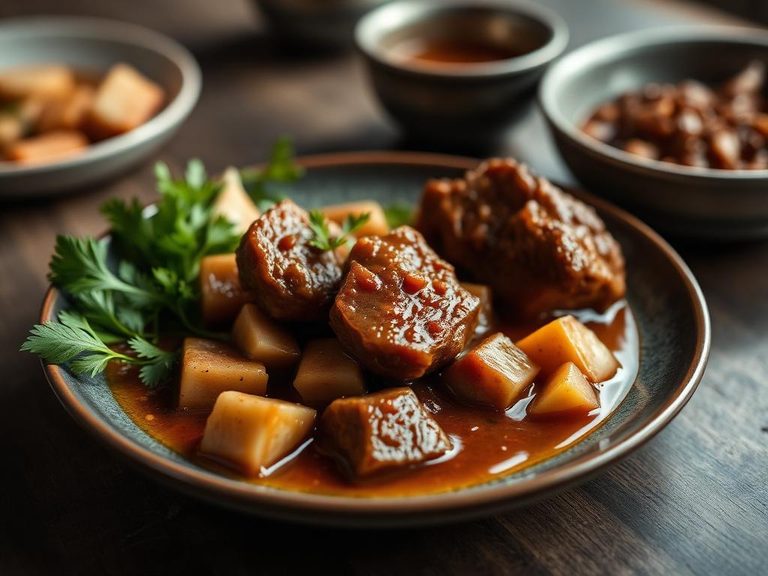
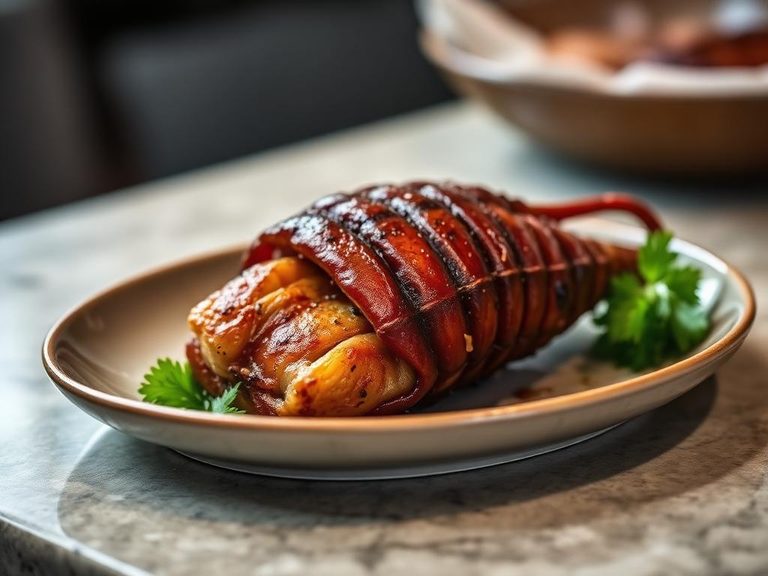
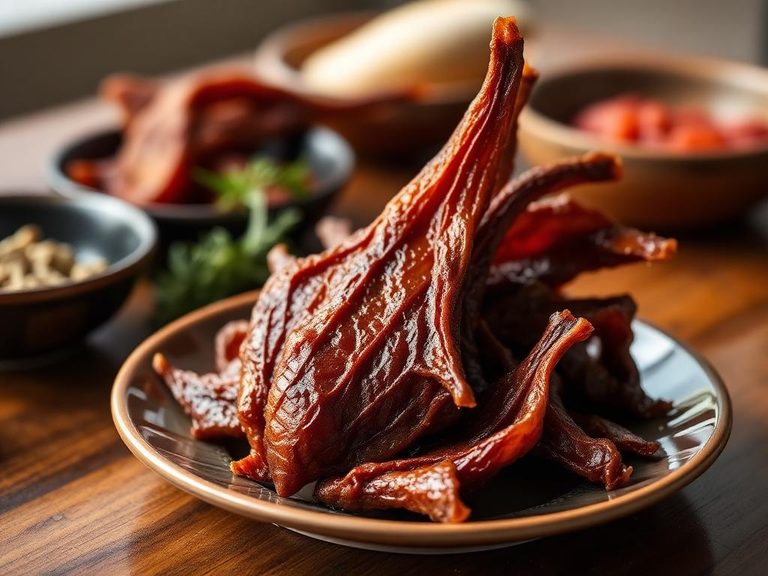
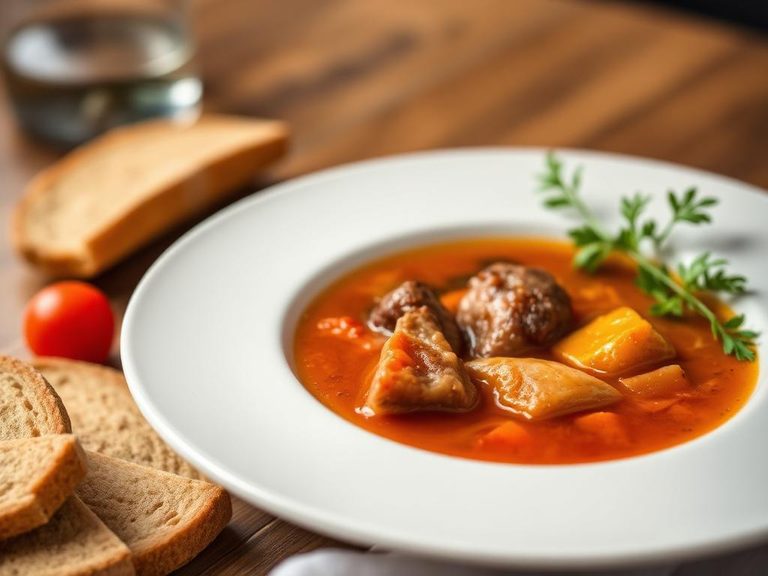
🍽️ Popular dishes
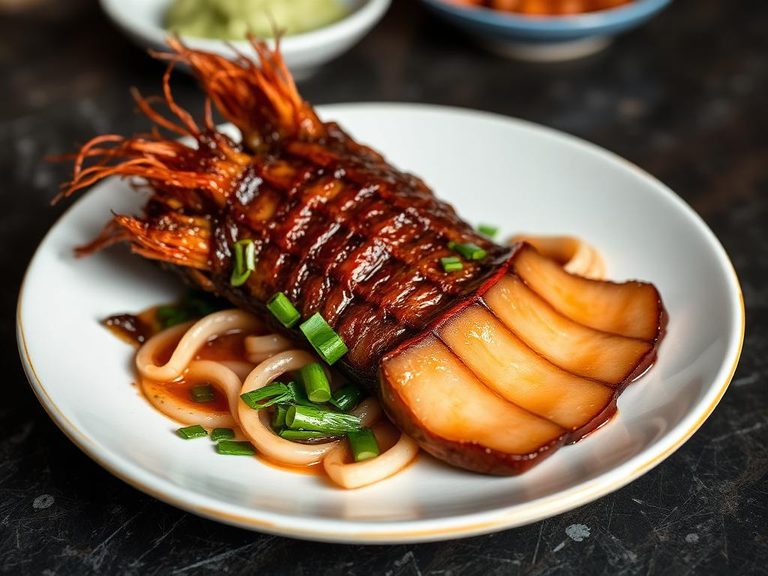
🌍 Where it's eaten
💡 Did you know?
The heart of a Steller sea lion can weigh over 11 kilograms (25 pounds), making it one of the largest hearts of any marine mammal and a massive single-serving organ.
Full nutrition (USDA data · scales with serving)
| Water | 76.2 g |
| Energy | 102 kcal |
| Energy | 426 kj |
| Protein | 17.0 g |
| Total lipid (fat) | 3.3 g |
| Ash | 1.0 g |
| Carbohydrate, by difference | 1.0 g |
| Calcium, Ca | 5.0 mg |
| Iron, Fe | 6.7 mg |
| Magnesium, Mg | 22.0 mg |
| Phosphorus, P | 263 mg |
| Potassium, K | 319 mg |
| Sodium, Na | 115 mg |
| Zinc, Zn | 2.2 mg |
| Copper, Cu | 0.31 mg |
| Manganese, Mn | 0.04 mg |
| Selenium, Se | 122 ug |
Fat & fatty acid profile (per 100g)
Estimated from Sea lion, Steller, liver (Alaska Native) — USDA does not publish this profile for Sea lion.
| Fatty acids, total saturated | 1.3 g |
| SFA 18:0 | 0.70 g |
| Fatty acids, total monounsaturated | 0.90 g |
| Fatty acids, total polyunsaturated | 0.20 g |
| Fatty acids, total trans | 0.00 g |
| Cholesterol | 359 mg |
Amino acid profile (per 100g)
Estimated from Sea lion, Steller, liver (Alaska Native) — USDA does not publish this profile for Sea lion.
| Tryptophan | 0.40 g |
| Threonine | 1.3 g |
| Isoleucine | 1.4 g |
| Methionine | 0.30 g |
| Valine | 0.10 g |
| Arginine | 3.4 g |
| Histidine | 0.50 g |
| Alanine | 0.10 g |
| Aspartic acid | 0.20 g |
| Proline | 0.10 g |
| Serine | 0.30 g |
FAQ
How does sea lion heart taste compared to beef heart?
Sea lion heart is often described as milder and cleaner-tasting than beef heart, with a less pronounced 'gamey' or mineral flavor. Its texture is similarly dense and smooth but can be slightly firmer.
Is it safe to eat raw?
In traditional Alaska Native preparations, it is sometimes consumed raw or fermented. However, as with any wild game, there are risks of parasites or bacteria. Modern safety guidelines recommend thorough cooking to an internal temperature of at least 160°F (71°C).
Why is it so lean?
Heart is a constantly working muscle, so it is composed primarily of lean muscle tissue and connective tissue, with very little intramuscular fat marbling, resulting in its exceptionally low fat content.
Nutrient density (calculated · NRF9.3)
Nutrient Rich Foods index: beneficial nutrients (protein, fiber, vitamins, minerals) minus saturated fat, added sugar & sodium, per 100 kcal.
NRF9.3 index — Fulgoni, Keast & Drewnowski, 2009. Computed from USDA nutrients.
Weight-loss friendliness (composite index)
Energy density 1.02 kcal/g · 67% calories from protein · 0.0 g fiber · 0.0 g sugar per 100 g.
Composite of energy density (Rolls et al., 1999), protein & fiber satiety, minus sugar. A calculated heuristic — ranks satiety-per-calorie, not a clinical measure.
Dietary load (calculated from USDA values)
Potential renal acid load. Positive = acid-forming, negative = alkaline-forming.
Sodium-to-potassium ratio: 0.36 (lower is better — aim for ≤ 1)
Sodium:potassium per WHO potassium guidance. Computed from USDA nutrients.