

Currants, european black, raw
Whole food · Fruits and Fruit Juices

Photo: Wikipedia
European black currants are small, glossy berries with a deep purple-black hue and a potent, tart flavor that balances sweet and astringent notes. Their texture is smooth with tiny, edible seeds, offering a burst of juice when bitten. Nutritionally, they are a low-calorie source of carbohydrates, providing quick energy without significant fat or protein.
Calorie split: 8% protein · 87% carbs · 5% fat
↓ Full nutrition💚 Why it's loved
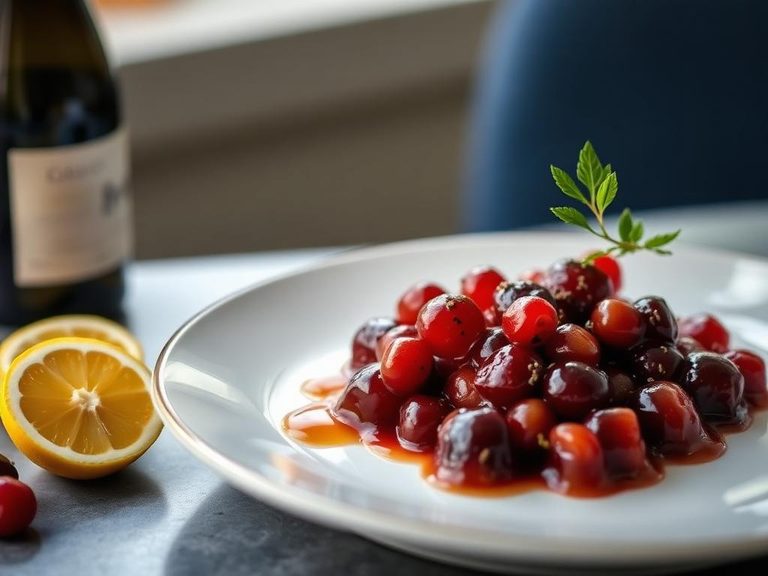
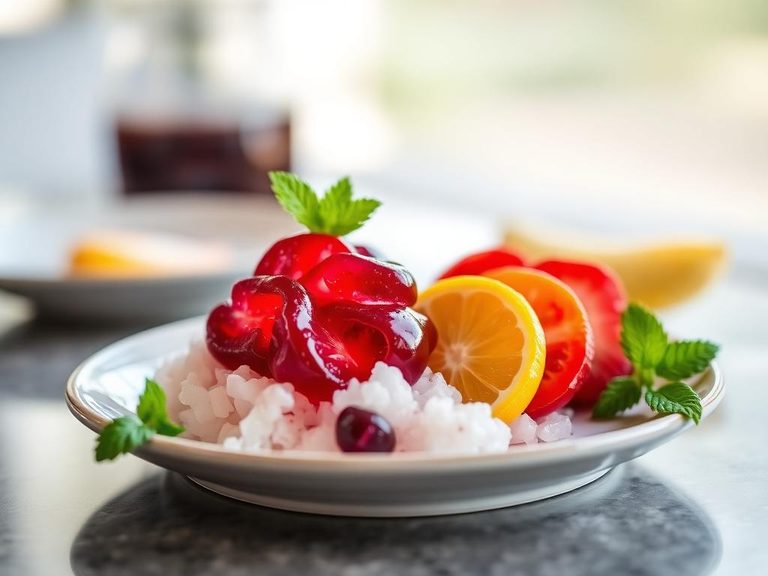
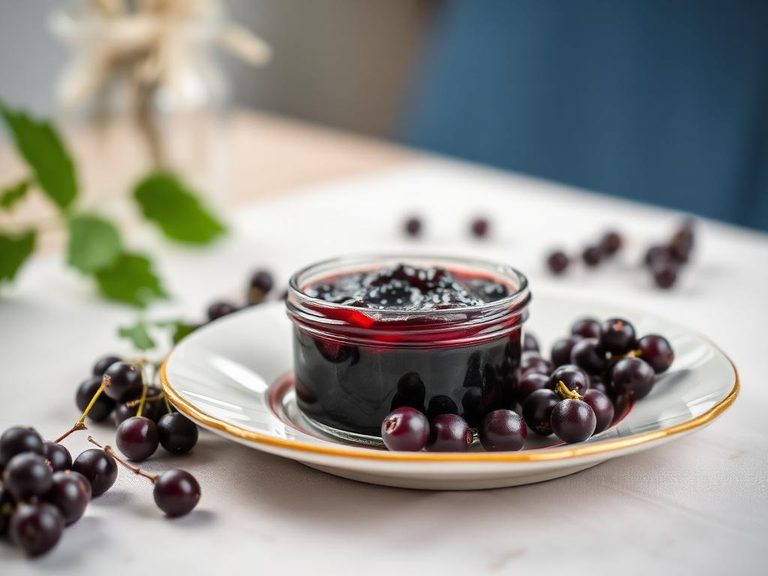
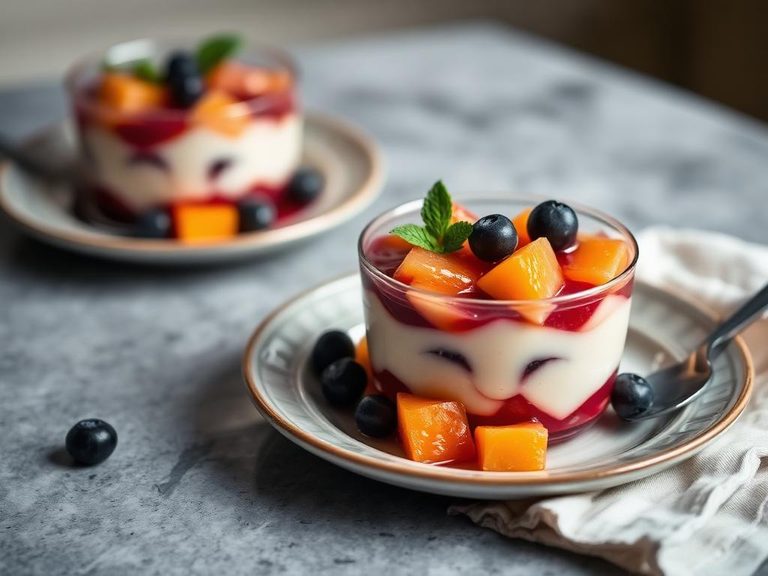
People cherish black currants for their intense, complex flavor that elevates both sweet and savory dishes. They are a cultural staple in European cordials, jams, and desserts, valued for their versatility and vibrant color.
⚠️ Watch-outs & how to enjoy it better
Their tartness can be overpowering if eaten raw, and the high natural sugar content may cause blood-sugar spikes in sensitive individuals. To counteract this, pair them with protein or healthy fats (like yogurt or nuts) and practice portion control by using them as an accent in dishes rather than a main ingredient.
Key benefits
- Rich in vitamin C, supporting immune function.
- Contains anthocyanins, antioxidants linked to reducing inflammation.
- Provides manganese, essential for bone health and metabolism.
- Low in fat and calories, suitable for weight management.
- May support eye health due to compounds like zeaxanthin.
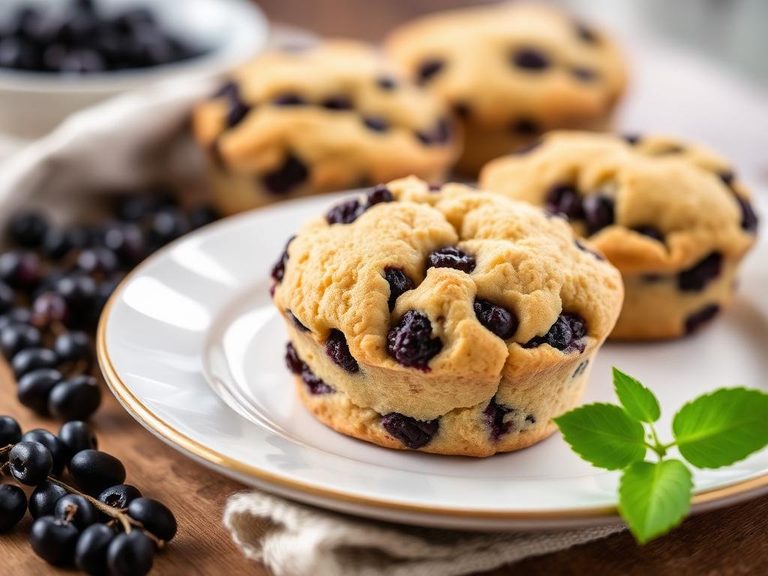
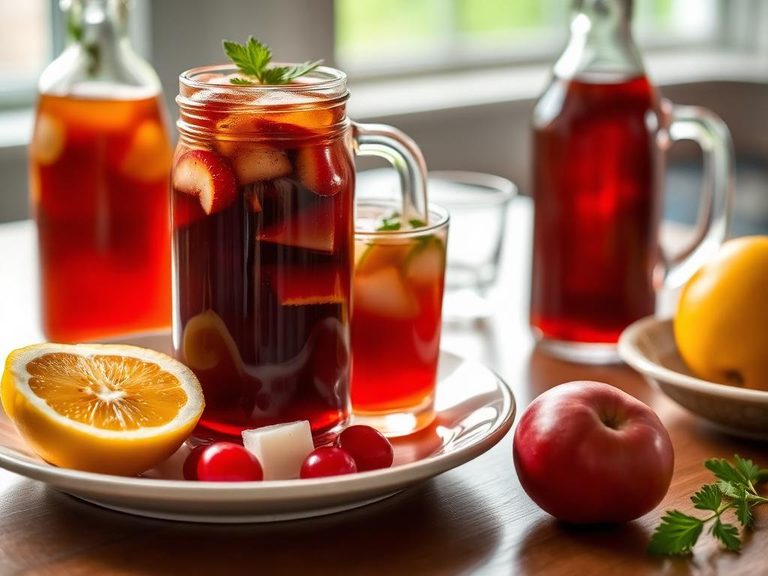
🍽️ Popular dishes
🌍 Where it's eaten
💡 Did you know?
Black currants were once banned in parts of the United States for over 50 years because their bushes could harbor a fungus harmful to pine trees, and the ban was only lifted in the 1960s.
Full nutrition (USDA data · scales with serving)
| Water | 82.0 g |
| Energy | 63.0 kcal |
| Energy | 264 kj |
| Protein | 1.4 g |
| Total lipid (fat) | 0.41 g |
| Ash | 0.86 g |
| Carbohydrate, by difference | 15.4 g |
| Calcium, Ca | 55.0 mg |
| Iron, Fe | 1.5 mg |
| Magnesium, Mg | 24.0 mg |
| Phosphorus, P | 59.0 mg |
| Potassium, K | 322 mg |
| Sodium, Na | 2.0 mg |
| Zinc, Zn | 0.27 mg |
| Copper, Cu | 0.09 mg |
| Manganese, Mn | 0.26 mg |
| Vitamin C, total ascorbic acid | 181 mg |
| Thiamin | 0.05 mg |
| Riboflavin | 0.05 mg |
| Niacin | 0.30 mg |
| Pantothenic acid | 0.40 mg |
| Vitamin B-6 | 0.07 mg |
| Vitamin B-12 | 0.00 ug |
| Vitamin A, RAE | 12.0 ug |
| Retinol | 0.00 ug |
| Vitamin A, IU | 230 iu |
| Vitamin E (alpha-tocopherol) | 1.0 mg |
Fat & fatty acid profile (per 100g)
| Fatty acids, total saturated | 0.03 g |
| SFA 16:0 | 0.02 g |
| SFA 18:0 | 0.01 g |
| Fatty acids, total monounsaturated | 0.06 g |
| MUFA 16:1 | 0.00 g |
| MUFA 18:1 | 0.06 g |
| Fatty acids, total polyunsaturated | 0.18 g |
| PUFA 18:2 | 0.11 g |
| PUFA 18:3 | 0.07 g |
| Fatty acids, total trans | 0.00 g |
| Cholesterol | 0.00 mg |
FAQ
Are black currants the same as Zante currants?
No, they are different. Black currants (Ribes nigrum) are tart berries from a shrub, while Zante currants are dried, seedless grapes.
Can I eat black currants raw?
Yes, but their strong tartness is often preferred when cooked or sweetened in jams, syrups, or baked goods.
How do I store fresh black currants?
Keep them unwashed in a perforated bag in the refrigerator for up to a week, or freeze them on a baking sheet before transferring to a bag for longer storage.
Nutrient density (calculated · NRF9.3)
Nutrient Rich Foods index: beneficial nutrients (protein, fiber, vitamins, minerals) minus saturated fat, added sugar & sodium, per 100 kcal.
NRF9.3 index — Fulgoni, Keast & Drewnowski, 2009. Computed from USDA nutrients.
Weight-loss friendliness (composite index)
Energy density 0.63 kcal/g · 9% calories from protein · 0.0 g fiber · 0.0 g sugar per 100 g.
Composite of energy density (Rolls et al., 1999), protein & fiber satiety, minus sugar. A calculated heuristic — ranks satiety-per-calorie, not a clinical measure.
Dietary load (calculated from USDA values)
Potential renal acid load. Positive = acid-forming, negative = alkaline-forming.
Sodium-to-potassium ratio: 0.01 (lower is better — aim for ≤ 1)
Sodium:potassium per WHO potassium guidance. Computed from USDA nutrients.