

Black currant scones or muffins
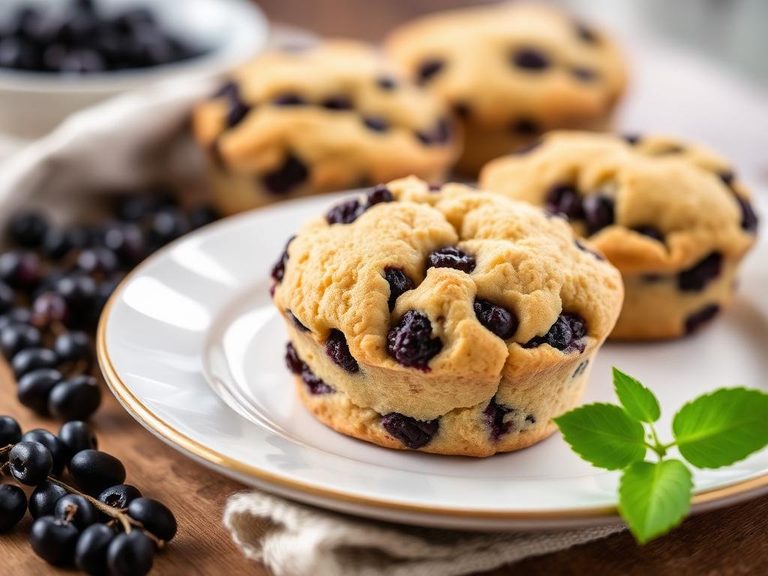
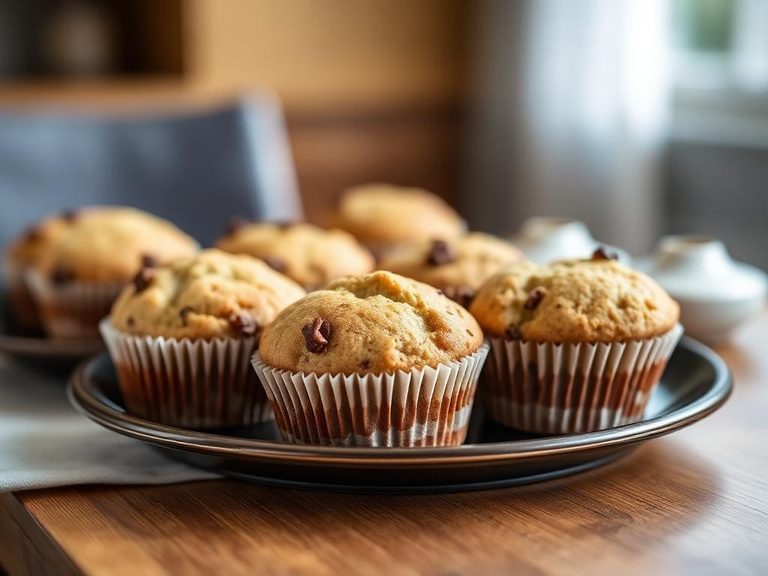
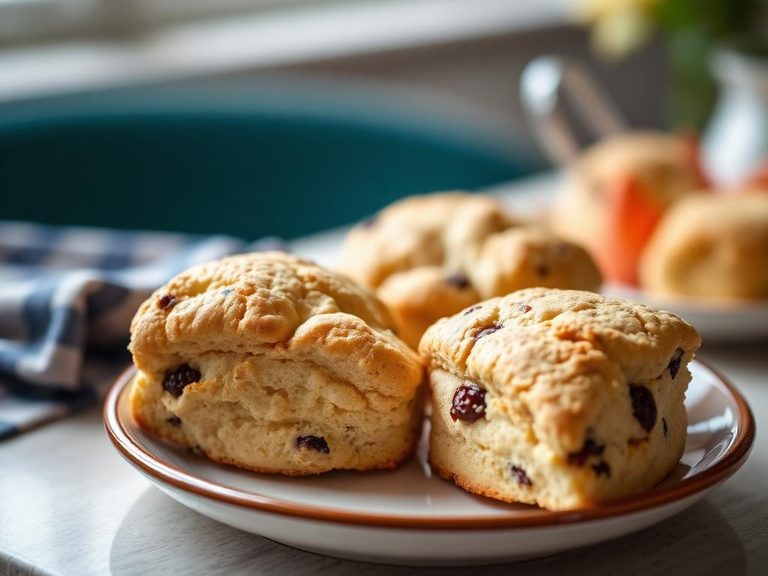
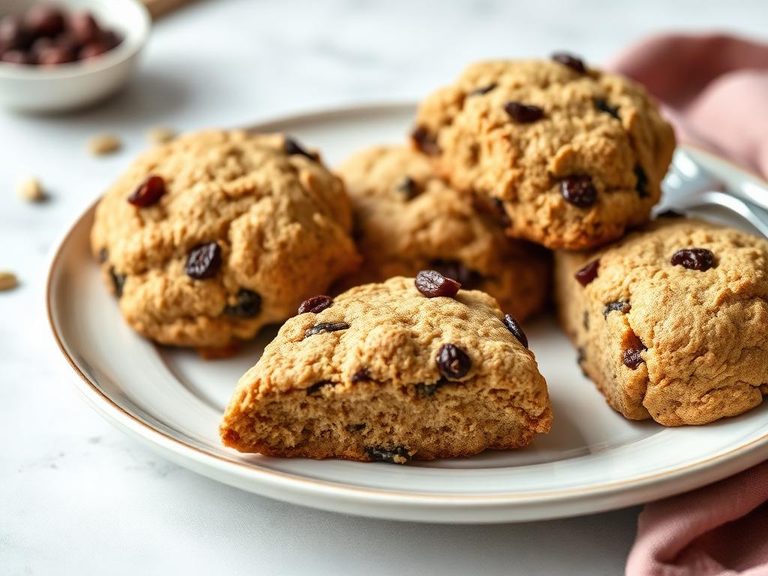
Black currant scones or muffins are tender, quick breads studded with the tart, jewel-like berries of the black currant shrub. They typically combine flour, sugar, butter, eggs, and leavening with fresh or frozen black currants for a burst of flavor. This style of baking is particularly popular in the United Kingdom, Northern Europe, and parts of North America where the berries grow well.
🍽️ Nutrition at a glance
These are carbohydrate-rich baked goods, with a moderate amount of fat from butter or oil and a small amount of protein from flour and eggs. A key nutritional highlight is the black currants themselves, which are exceptionally high in vitamin C and antioxidants like anthocyanins. A typical muffin or large scone generally falls in the 350-450 calorie range per serving.
Nutrition breakdown
| Calories | 380 kcal |
| Protein | 5 g |
| Carbs | 52 g |
| Fat | 17 g |
| Fiber | 2 g |
| Sugar | 24 g |
| Sodium | 290 mg |
| Vitamin C | 15 mg |
| Manganese | 0.3 mg |
| Vitamin K | 8 µg |
| Iron | 2.1 mg |
| Potassium | 95 mg |
| Phosphorus | 80 mg |
| Magnesium | 12 mg |
| Copper | 0.1 mg |
Per 1 large muffin (113 g) · estimated, varies by recipe
💡 What's interesting
Culturally, black currants are a beloved, almost nostalgic berry in the UK and Scandinavia, often used in jams, cordials, and baking. Nutritionally, the berries are a powerhouse, providing more vitamin C per gram than oranges and potent anti-inflammatory compounds.
🍽️ Related dishes


AI estimate may be inaccurate · Terms