

Muffins or scones
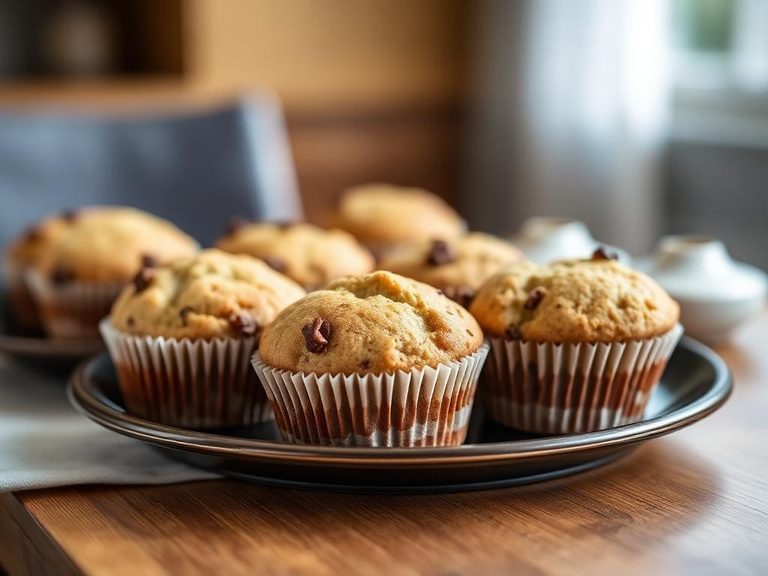
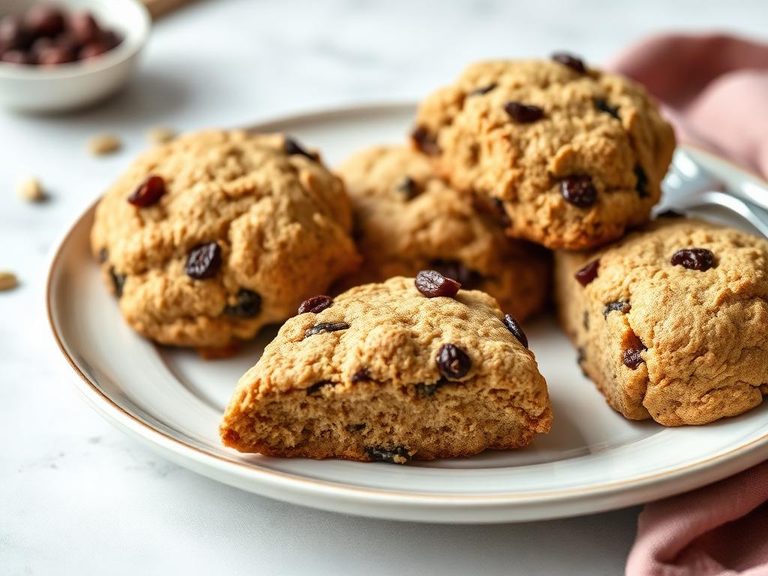
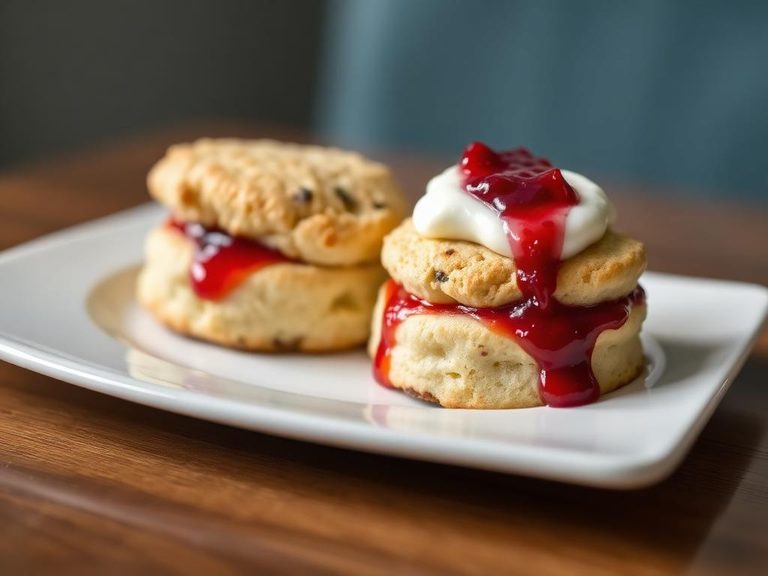
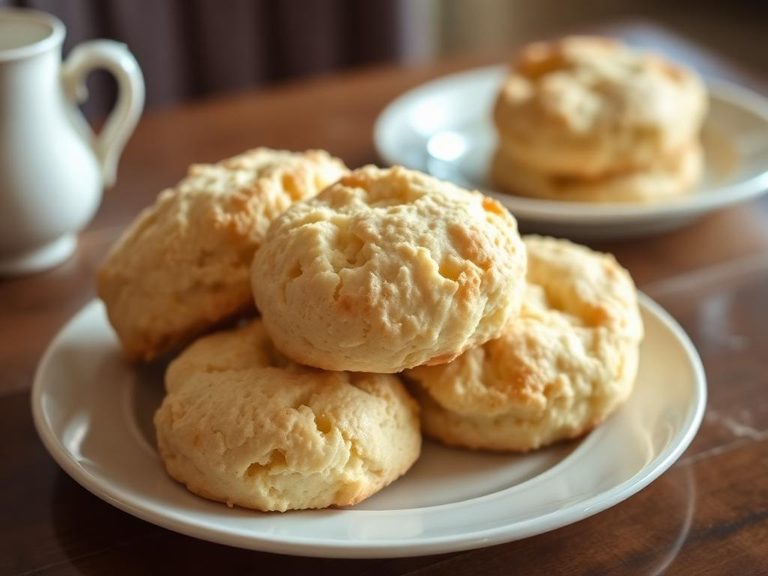
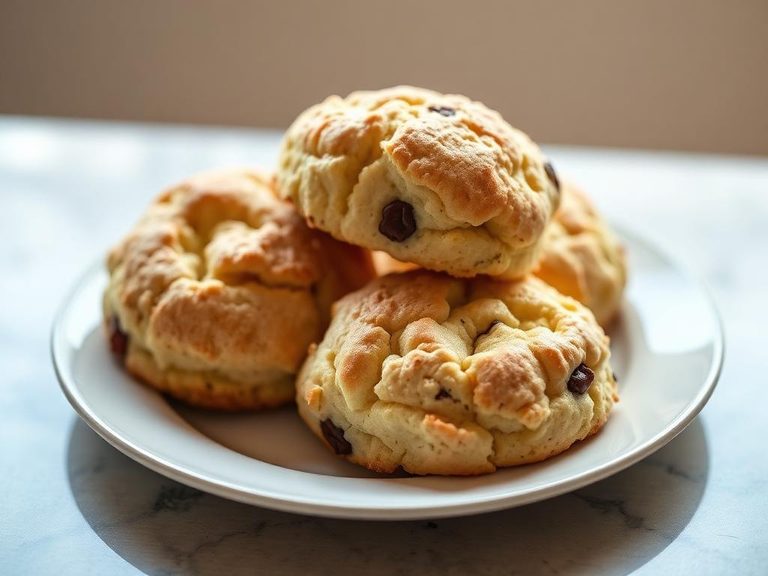
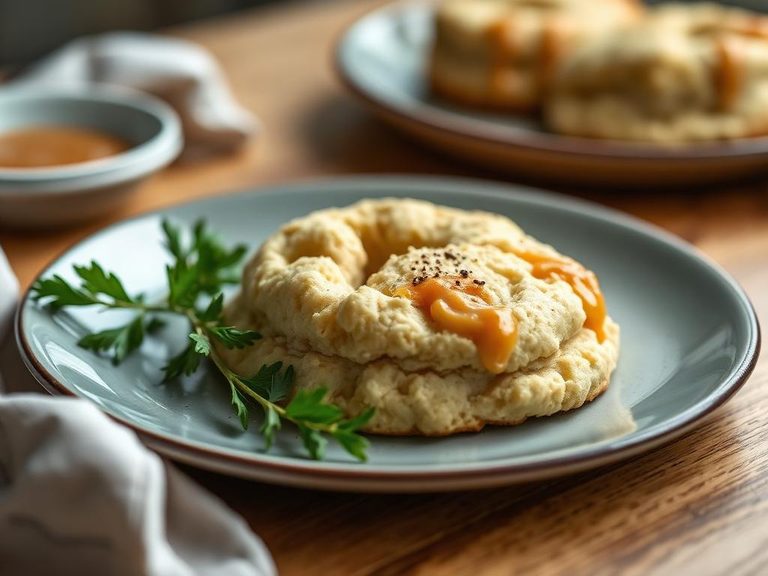
Muffins and scones are beloved quick breads, with muffins being soft, cake-like treats often baked in a cup-shaped pan, and scones being slightly denser, crumbly pastries typically shaped into rounds or wedges. Both are made from a simple base of flour, sugar, butter, and a leavening agent like baking powder, with countless variations including fruits, nuts, or spices. Muffins are a staple of American breakfasts and snacks, while scones are strongly associated with British and Irish tea-time traditions.
🍳 View the full Muffins or scones recipe →
🍽️ Nutrition at a glance
Both are generally high in carbohydrates and fats from flour, sugar, and butter, providing a quick energy boost but relatively little protein. A standard homemade muffin or scone typically ranges from 250 to 450 calories per serving, with key nutrients including some iron and B vitamins from the flour, though they are often considered an indulgent treat rather than a nutrient-dense food.
Nutrition breakdown
| Calories | 380 kcal |
| Protein | 6 g |
| Carbs | 52 g |
| Fat | 17 g |
| Fiber | 2 g |
| Sugar | 22 g |
| Sodium | 420 mg |
| Calcium | 80 mg |
| Iron | 2.5 mg |
| Potassium | 120 mg |
| Vitamin A | 150 IU |
| Vitamin C | 0 mg |
| Thiamin (B1) | 0.2 mg |
| Riboflavin (B2) | 0.15 mg |
| Niacin (B3) | 1.8 mg |
Per 1 medium (113 g) · estimated, varies by recipe
💡 What's interesting
Culturally, the scone is a cornerstone of the British 'afternoon tea' ritual, famously split by hand rather than cut with a knife to preserve its texture. Nutritionally, their high glycemic index can lead to a rapid rise in blood sugar, which is why they are often enjoyed with protein-rich accompaniments like clotted cream, cheese, or eggs to help balance the meal.
🍽️ Related dishes
AI estimate may be inaccurate · Terms