

Fruit fool or compote

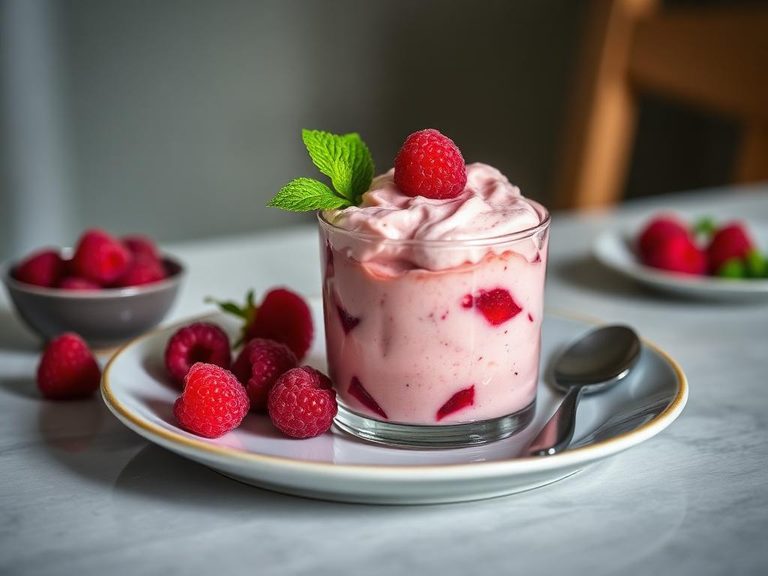
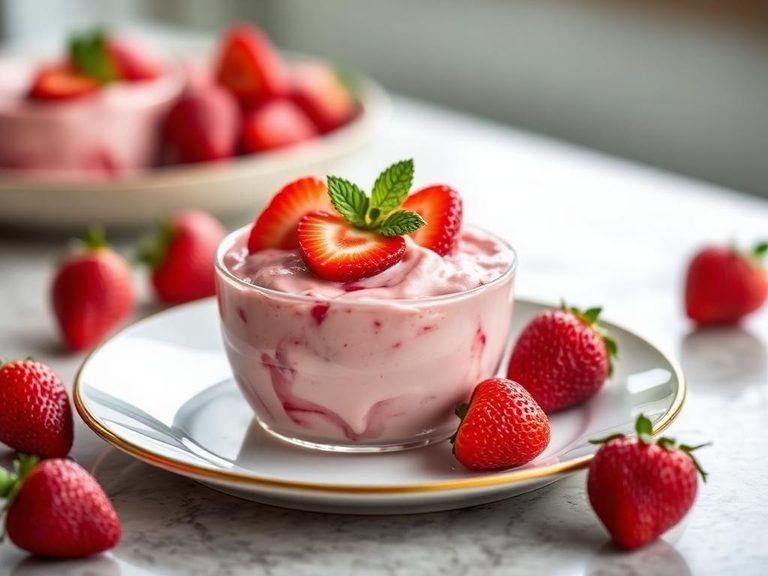
Fruit fool is a classic English dessert made by folding stewed or pureed fruit into whipped cream or custard, while compote refers to fruit gently simmered in sugar syrup or juice. Both highlight the natural sweetness and texture of seasonal fruits like berries, apples, or stone fruits. The dish is traditionally from the United Kingdom and is often served chilled as a light, comforting treat.
🍽️ Nutrition at a glance
Fruit fool is generally high in carbohydrates from fruit and sugar, with a moderate amount of fat from the cream, and provides minimal protein. Key nutrients include vitamin C, potassium, and dietary fiber, with a typical serving ranging from 200 to 300 calories.
Nutrition breakdown
| Calories | 250 kcal |
| Protein | 3 g |
| Carbs | 30 g |
| Fat | 14 g |
| Fiber | 3 g |
| Sugar | 25 g |
| Sodium | 30 mg |
| Vitamin C | 15 mg |
| Potassium | 200 mg |
| Calcium | 80 mg |
| Vitamin A | 100 IU |
| Iron | 0.5 mg |
| Magnesium | 15 mg |
| Phosphorus | 60 mg |
| Vitamin K | 2 mcg |
Per 1 cup (240 g) · estimated, varies by recipe
💡 What's interesting
Fruit fool dates back to at least the 17th century and was originally made with stewed fruit and custard, evolving to include whipped cream. Nutritionally, it offers a balance of quick energy from sugars and some antioxidants from the fruit, making it a nostalgic yet relatively light dessert option.
🍽️ Related dishes






AI estimate may be inaccurate · Terms