

Rambutan, canned, syrup pack
Whole food · Fruits and Fruit Juices

Photo: Wikipedia
Canned rambutan in syrup offers a burst of sweet, floral flavor and a uniquely slippery, grape-like texture that's both juicy and slightly chewy. This tropical treat is a convenient, ready-to-eat snack, providing a quick source of carbohydrates for energy with minimal fat.
Calorie split: 3% protein · 95% carbs · 2% fat
↓ Full nutrition💚 Why it's loved
People adore rambutan for its exotic, perfumed sweetness—a flavor often described as a cross between a lychee and a grape—and its fun, hairy exterior that makes it exciting to peel and eat. It's a beloved street snack and dessert ingredient across Southeast Asia, symbolizing tropical abundance.
⚠️ Watch-outs & how to enjoy it better
The primary downside is the high sugar content from the packing syrup, which can lead to blood-sugar spikes. To counteract this, enjoy it in moderation, rinse the fruit to remove some syrup, or pair it with a source of protein or fat like yogurt or nuts. Those monitoring sugar intake should consider it an occasional treat.
Key benefits
- Provides quick-release carbohydrates for immediate energy
- Low in fat and contains no cholesterol
- Source of dietary fiber to support digestion
- Contains vitamin C, an antioxidant that supports immune function
- Offers a convenient, no-prep fruit option
🍽️ Popular dishes
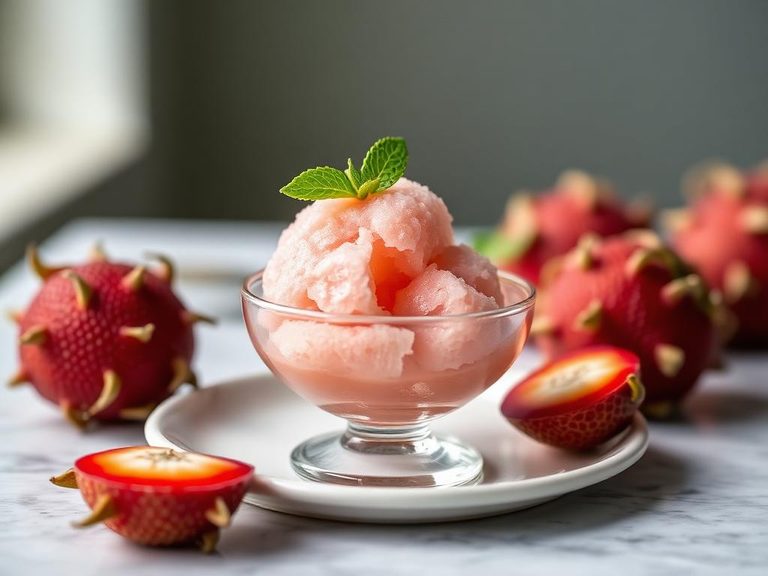
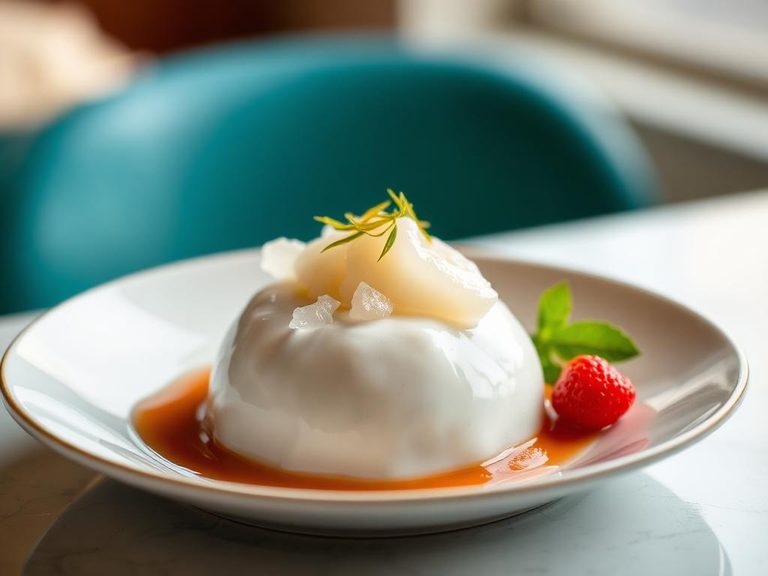
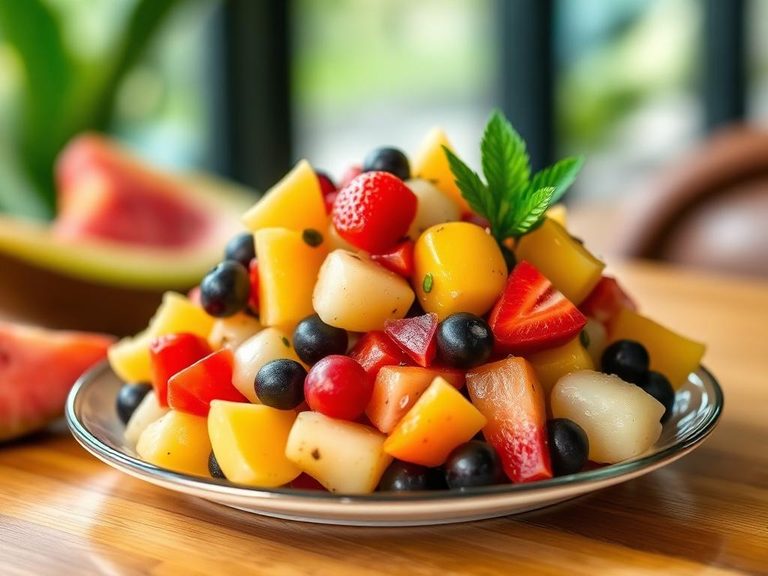
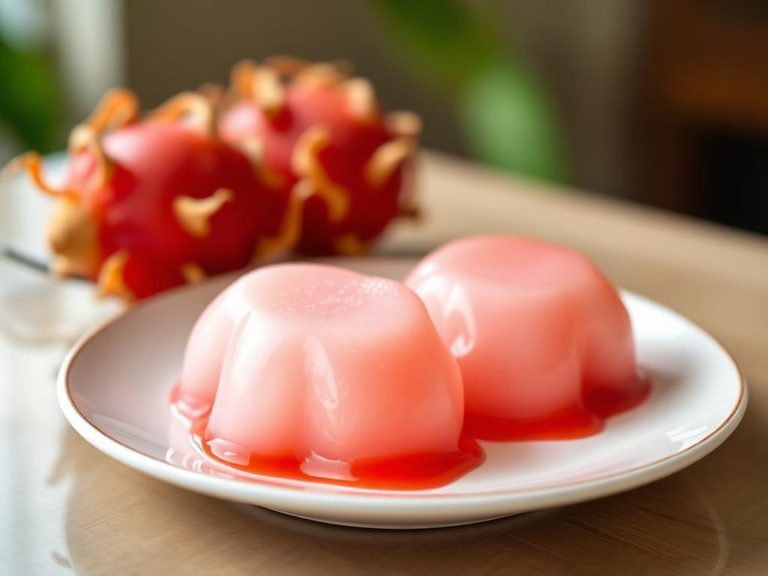
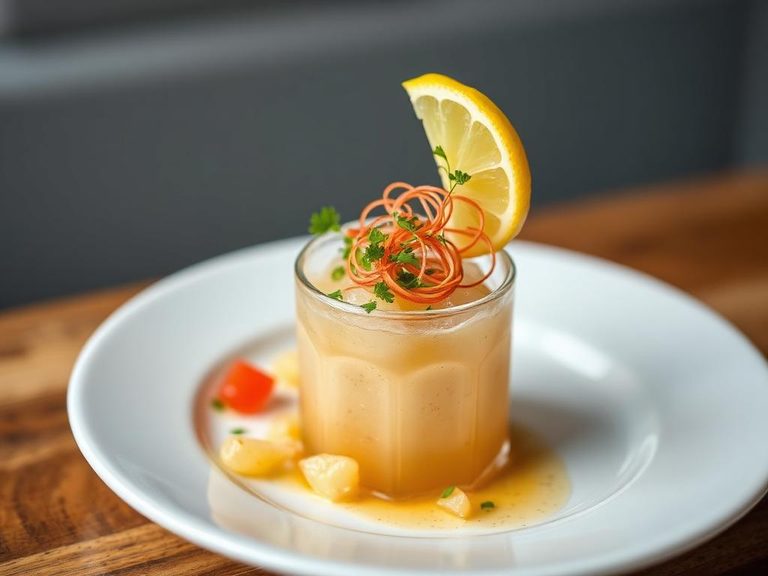
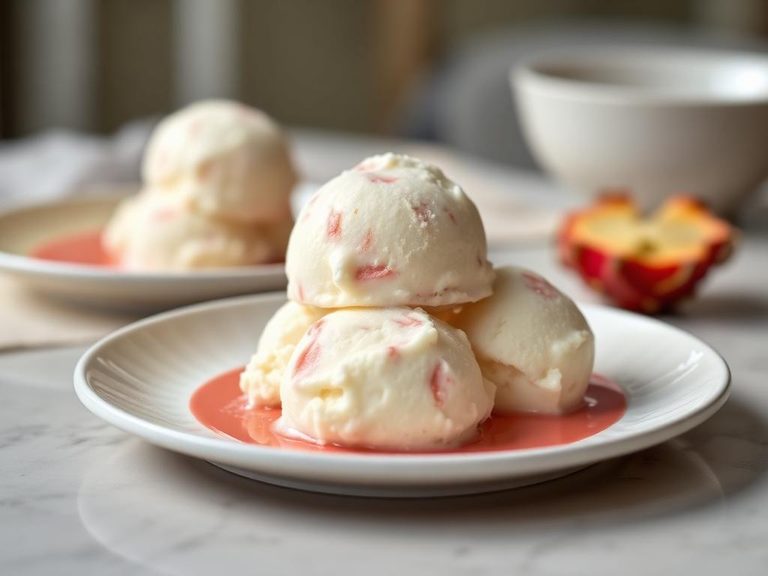
🌍 Where it's eaten
💡 Did you know?
The name 'rambutan' comes from the Malay word 'rambut,' meaning 'hair,' referring to the fruit's distinctive, soft spines.
Full nutrition (USDA data · scales with serving)
| Water | 78.0 g |
| Energy | 82.0 kcal |
| Energy | 343 kj |
| Protein | 0.65 g |
| Total lipid (fat) | 0.21 g |
| Ash | 0.23 g |
| Carbohydrate, by difference | 20.9 g |
| Fiber, total dietary | 0.90 g |
| Calcium, Ca | 22.0 mg |
| Iron, Fe | 0.35 mg |
| Magnesium, Mg | 7.0 mg |
| Phosphorus, P | 9.0 mg |
| Potassium, K | 42.0 mg |
| Sodium, Na | 11.0 mg |
| Zinc, Zn | 0.08 mg |
| Copper, Cu | 0.07 mg |
| Manganese, Mn | 0.34 mg |
| Vitamin C, total ascorbic acid | 4.9 mg |
| Thiamin | 0.01 mg |
| Riboflavin | 0.02 mg |
| Niacin | 1.4 mg |
| Pantothenic acid | 0.02 mg |
| Vitamin B-6 | 0.02 mg |
| Folate, total | 8.0 ug |
| Folic acid | 0.00 ug |
| Folate, food | 8.0 ug |
| Folate, DFE | 8.0 ug |
| Vitamin B-12 | 0.00 ug |
| Vitamin A, RAE | 0.00 ug |
| Retinol | 0.00 ug |
| Carotene, beta | 2.0 ug |
| Carotene, alpha | 0.00 ug |
| Cryptoxanthin, beta | 0.00 ug |
| Vitamin A, IU | 3.0 iu |
Fat & fatty acid profile (per 100g)
| Fatty acids, total trans | 0.00 g |
| Cholesterol | 0.00 mg |
FAQ
How do you eat canned rambutan?
Simply drain the syrup, then use your fingers or a small knife to slit the soft, hairy skin and peel it away. The translucent, white flesh inside is ready to eat. You can also slice it to add to dishes.
Is canned rambutan healthy?
It's a source of fiber and vitamin C, but the canning process adds significant sugar from the syrup. It's best enjoyed in moderation as a treat, not a primary fruit source. Rinsing can reduce some surface sugar.
What's the difference between canned and fresh rambutan?
Fresh rambutan has a firmer, crisper texture and a more vibrant, floral taste. Canned rambutan is softer, sweeter from the syrup, and has a more uniform, slightly muted flavor profile. Canning makes it available year-round.
Nutrient density (calculated · NRF9.3)
Nutrient Rich Foods index: beneficial nutrients (protein, fiber, vitamins, minerals) minus saturated fat, added sugar & sodium, per 100 kcal.
NRF9.3 index — Fulgoni, Keast & Drewnowski, 2009. Computed from USDA nutrients.
Weight-loss friendliness (composite index)
Energy density 0.82 kcal/g · 3% calories from protein · 0.9 g fiber · 0.0 g sugar per 100 g.
Composite of energy density (Rolls et al., 1999), protein & fiber satiety, minus sugar. A calculated heuristic — ranks satiety-per-calorie, not a clinical measure.
Dietary load (calculated from USDA values)
Potential renal acid load. Positive = acid-forming, negative = alkaline-forming.
Sodium-to-potassium ratio: 0.26 (lower is better — aim for ≤ 1)
Sodium:potassium per WHO potassium guidance. Computed from USDA nutrients.