Rambutan & Coconut Milk Dessert
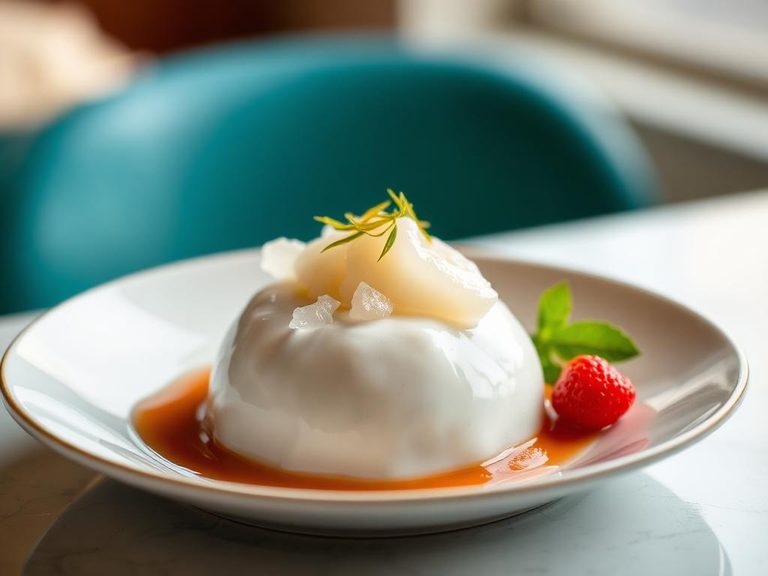
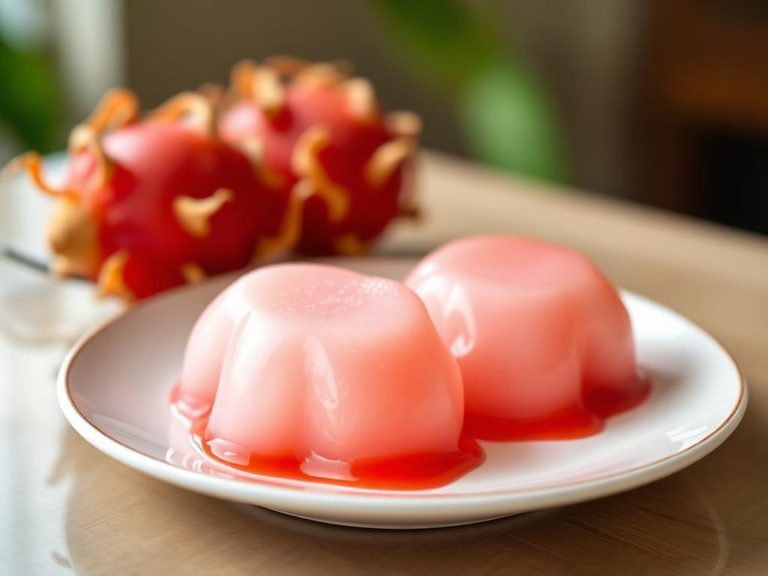
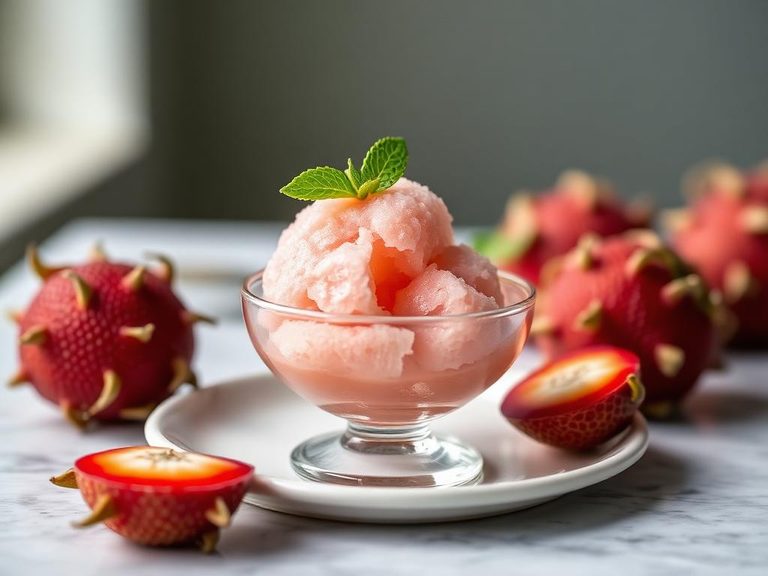
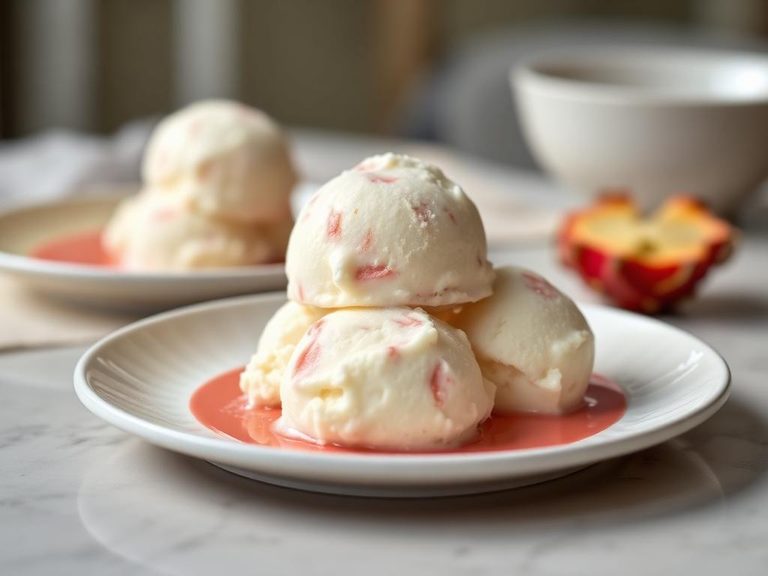
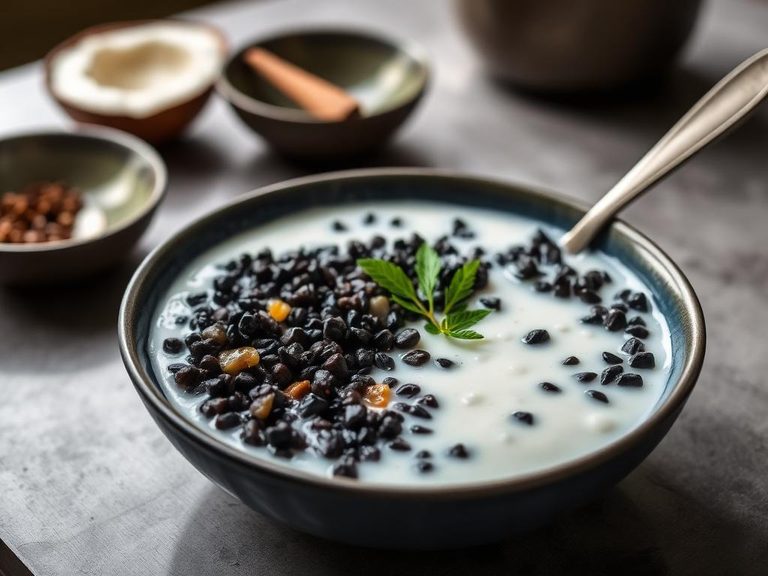
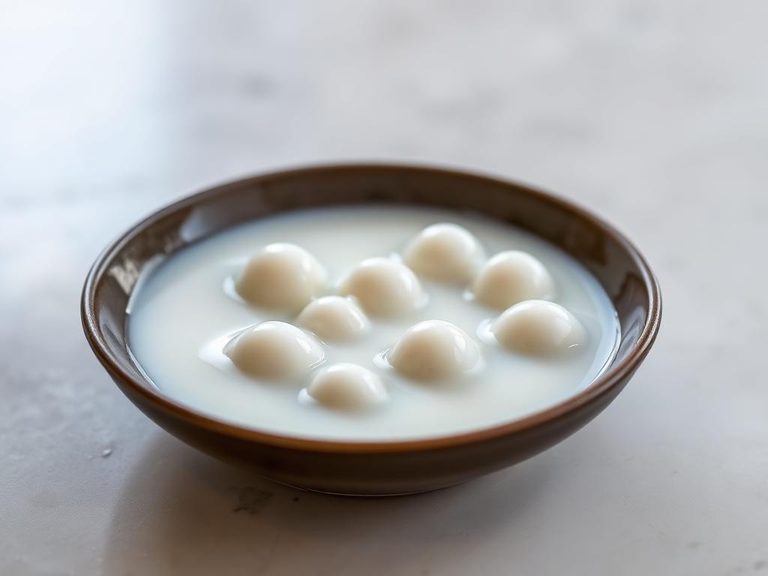
Rambutan & Coconut Milk Dessert is a refreshing, sweet treat popular in Southeast Asia, particularly in Thailand, Malaysia, and Indonesia. It typically features fresh, peeled rambutan fruit served in a chilled mixture of sweetened coconut milk, often with added ingredients like tapioca pearls or sticky rice for texture.
🍽️ Nutrition at a glance
This dessert is primarily a source of carbohydrates, with a significant portion coming from natural fruit sugars and added sweeteners. It provides key nutrients like potassium and manganese from the fruit, along with healthy fats and some minerals from the coconut milk, with a typical serving ranging from 250-350 calories.
Nutrition breakdown
| Calories | 280 kcal |
| Protein | 3 g |
| Carbs | 42 g |
| Fat | 12 g |
| Fiber | 3 g |
| Sugar | 35 g |
| Sodium | 25 mg |
| Potassium | 320 mg |
| Manganese | 0.8 mg |
| Vitamin C | 12 mg |
| Copper | 0.3 mg |
| Magnesium | 30 mg |
| Iron | 1.2 mg |
| Phosphorus | 60 mg |
| Vitamin B6 | 0.1 mg |
Per 1 cup (240 g) · estimated, varies by recipe
💡 What's interesting
Culturally, this dessert highlights the tropical abundance of Southeast Asia, where rambutan is a beloved seasonal fruit. Nutritionally, the combination of fruit and coconut milk offers a balance of quick energy from sugars and more sustained energy from fats, along with hydration from the fruit's high water content.