

Beverages, V8 SPLASH Smoothies, Peach Mango
Whole food · Beverages

Photo: Wikipedia
V8 Splash Smoothies Peach Mango is a vibrant, fruit-forward beverage that blends the juicy sweetness of peaches and the tropical richness of mangoes into a smooth, drinkable texture. It's a low-calorie, fat-free option that delivers a quick burst of natural fruit sugars and a modest amount of carbohydrates for energy. The drink is designed for easy enjoyment, offering a refreshing taste without the complexity of a full smoothie.
Calorie split: 14% protein · 86% carbs · 0% fat
↓ Full nutrition💚 Why it's loved
People love it for its perfectly balanced sweet-tart profile that captures the essence of ripe peaches and tropical mangoes in a convenient, ready-to-drink format. It's a nostalgic, crowd-pleasing choice that works as a standalone refreshment or a versatile base for cocktails and mocktails.
⚠️ Watch-outs & how to enjoy it better
The primary concern is its high sugar content (7.35g per 100g), which can contribute to blood-sugar spikes if consumed in large quantities, especially by those monitoring their glucose intake. To counteract this, consider pairing it with a source of protein or healthy fat (like a handful of nuts or yogurt) to slow sugar absorption, and practice portion control by enjoying it as an occasional treat rather than a daily staple.
Key benefits
- Low in calories (37 kcal per 100g)
- Fat-free and cholesterol-free
- Provides quick energy from natural fruit sugars
- Convenient source of fruit flavor and hydration
- No artificial colors or flavors
🍽️ Popular dishes
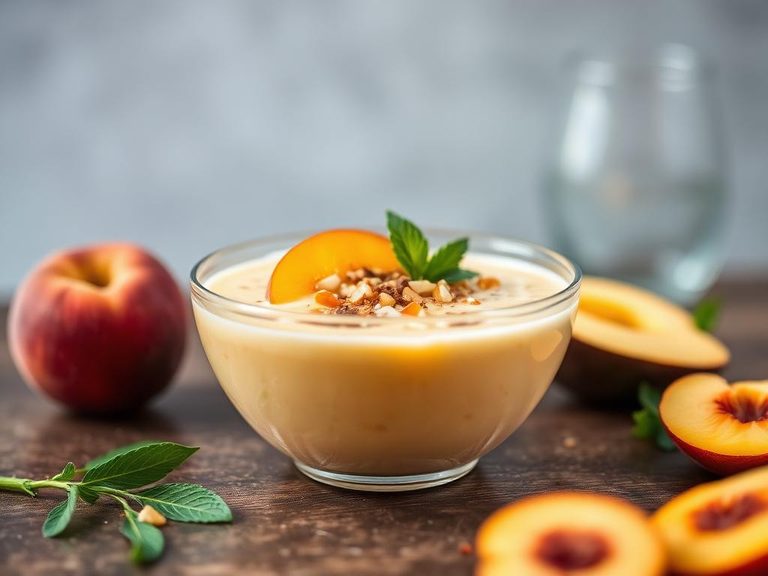
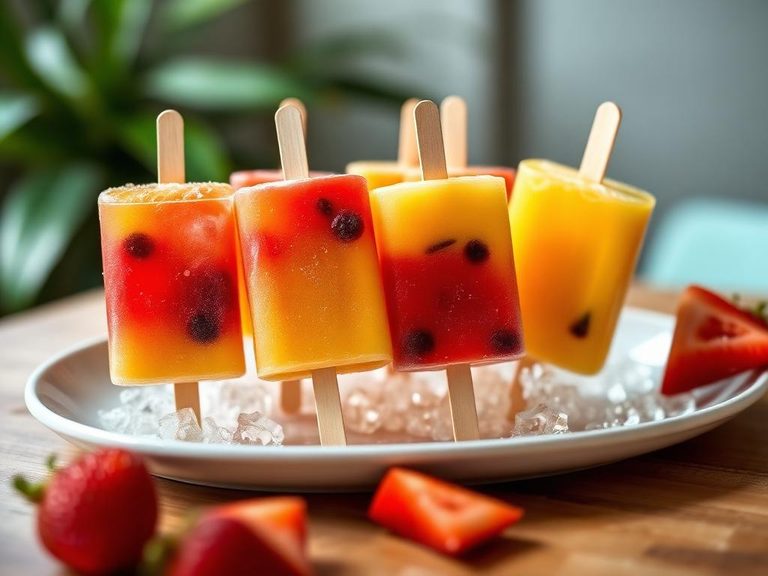

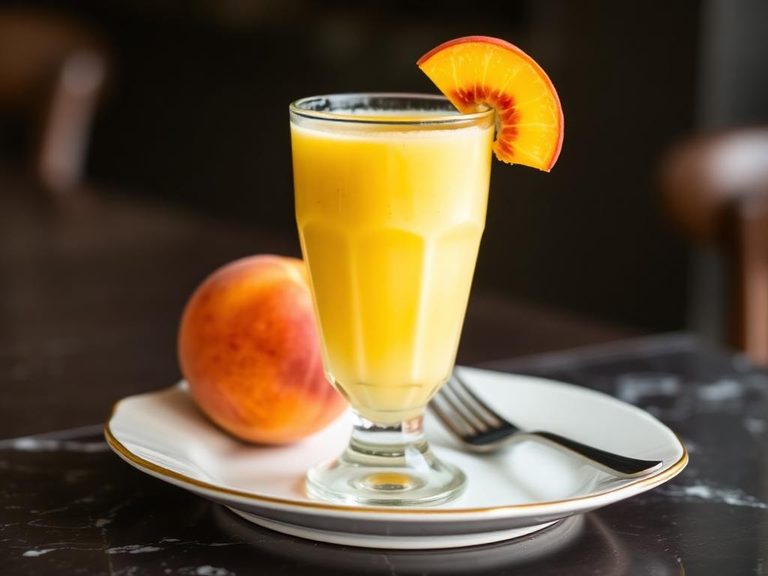
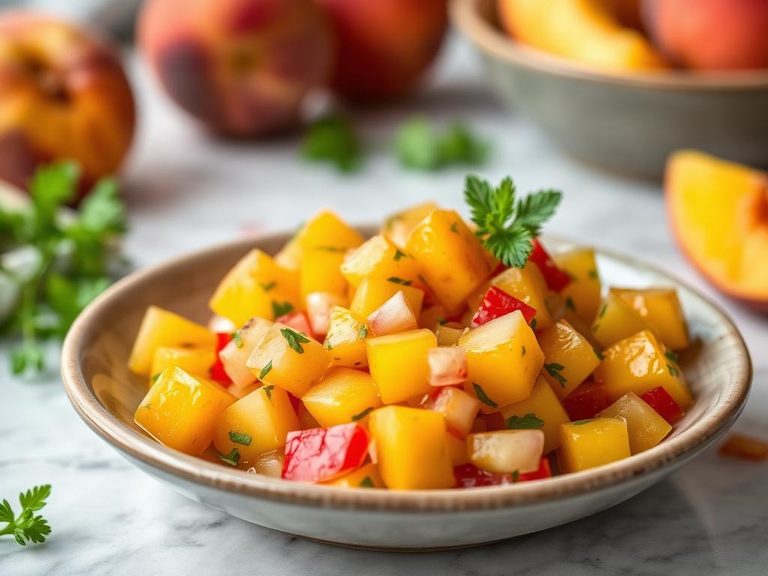
🌍 Where it's eaten
💡 Did you know?
The V8 Splash line was originally introduced in 2003 as a juice cocktail, but the 'Smoothies' variant was later created to mimic the thicker, more indulgent texture of a blended smoothie without the actual blending.
Full nutrition (USDA data · scales with serving)
| Water | 90.7 g |
| Energy | 37.0 kcal |
| Energy | 154 kj |
| Protein | 1.2 g |
| Total lipid (fat) | 0.00 g |
| Ash | 0.33 g |
| Carbohydrate, by difference | 7.8 g |
| Fiber, total dietary | 0.00 g |
| Total Sugars | 7.3 g |
| Calcium, Ca | 41.0 mg |
| Iron, Fe | 0.15 mg |
| Potassium, K | 24.0 mg |
| Sodium, Na | 29.0 mg |
| Vitamin C, total ascorbic acid | 24.5 mg |
| Niacin | 0.82 mg |
| Vitamin B-6 | 0.08 mg |
| Vitamin B-12 | 0.24 ug |
| Vitamin A, IU | 1429 iu |
Fat & fatty acid profile (per 100g)
| Fatty acids, total saturated | 0.00 g |
| Fatty acids, total trans | 0.00 g |
| Cholesterol | 0.00 mg |
Amino acid profile (per 100g)
Estimated from Beverages, carbonated, tonic water — USDA does not publish this profile for Beverages.
| Tryptophan | 0.00 g |
| Threonine | 0.00 g |
| Isoleucine | 0.00 g |
| Leucine | 0.00 g |
| Lysine | 0.00 g |
| Methionine | 0.00 g |
| Cystine | 0.00 g |
| Phenylalanine | 0.00 g |
| Tyrosine | 0.00 g |
| Valine | 0.00 g |
| Arginine | 0.00 g |
| Histidine | 0.00 g |
| Alanine | 0.00 g |
| Aspartic acid | 0.00 g |
| Glutamic acid | 0.00 g |
| Glycine | 0.00 g |
| Proline | 0.00 g |
| Serine | 0.00 g |
FAQ
Is this the same as a homemade peach mango smoothie?
No. This is a commercially produced beverage designed for shelf stability and consistent flavor. Homemade smoothies typically use whole fruit, may include yogurt or milk, and have a fresher, more variable texture and nutritional profile.
Does it contain real fruit juice?
Yes, it contains juice from concentrate (peach and mango) as primary ingredients, contributing to its flavor and sugar content.
Is it suitable for a low-sugar diet?
While low in fat and calories, its sugar content is significant. For low-sugar diets, it should be consumed sparingly, and you might consider diluting it with water or sparkling water to reduce sugar per serving.
Nutrient density (calculated · NRF9.3)
Nutrient Rich Foods index: beneficial nutrients (protein, fiber, vitamins, minerals) minus saturated fat, added sugar & sodium, per 100 kcal.
NRF9.3 index — Fulgoni, Keast & Drewnowski, 2009. Computed from USDA nutrients.
Weight-loss friendliness (composite index)
Energy density 0.37 kcal/g · 13% calories from protein · 0.0 g fiber · 7.3 g sugar per 100 g.
Composite of energy density (Rolls et al., 1999), protein & fiber satiety, minus sugar. A calculated heuristic — ranks satiety-per-calorie, not a clinical measure.
Dietary load (calculated from USDA values)
Sodium-to-potassium ratio: 1.21 (lower is better — aim for ≤ 1)
Sodium:potassium per WHO potassium guidance. Computed from USDA nutrients.