

Andrea's, Gluten Free Soft Dinner Roll
Whole food · Baked Products

Photo: Wikipedia
Andrea's Gluten Free Soft Dinner Roll is a tender, pillowy bread alternative designed for those avoiding gluten. It boasts a mild, slightly sweet flavor and a soft, non-crumbly texture that closely mimics traditional white dinner rolls. With 8.2g of fat per 100g, it offers a richer mouthfeel than many lean gluten-free breads.
Calorie split: 9% protein · 63% carbs · 29% fat
↓ Full nutrition💚 Why it's loved
People love it for its remarkable ability to satisfy a bread craving with a soft, satisfying chew that doesn't fall apart. Its neutral flavor makes it a perfect vehicle for everything from butter and jam to deli meats and cheeses.
⚠️ Watch-outs & how to enjoy it better
With 40.24g of carbohydrates and 2.98g of sugar per 100g, it can cause blood-sugar spikes if eaten alone. To counteract this, pair it with a source of protein (like turkey or egg) or healthy fat (like avocado or olive oil) to slow digestion. Those monitoring sodium intake should also check the specific brand's label, as many commercial rolls are high in salt.
Key benefits
- Certified gluten-free for celiac or gluten-sensitive diets
- Good source of dietary fiber (2.9g per 100g)
- Contains 5.65g of protein per 100g
- Versatile base for sandwiches or sliders
- Provides a familiar bread experience without gluten
🍽️ Popular dishes

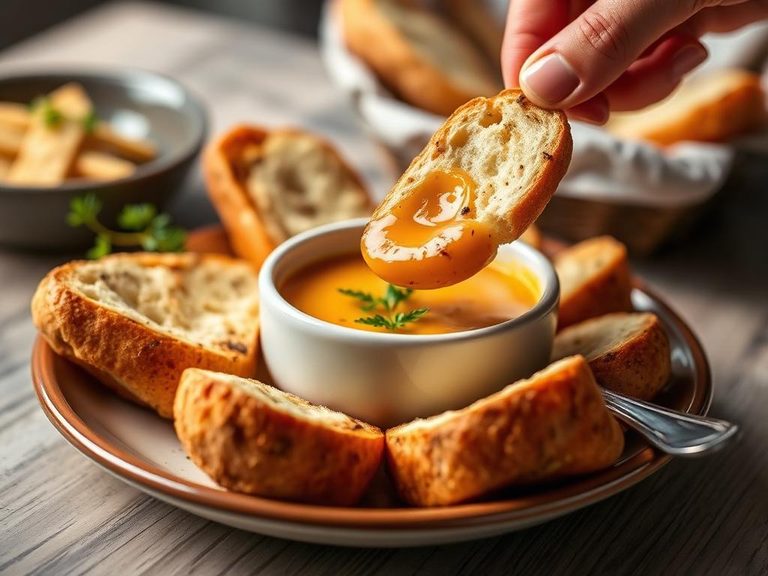

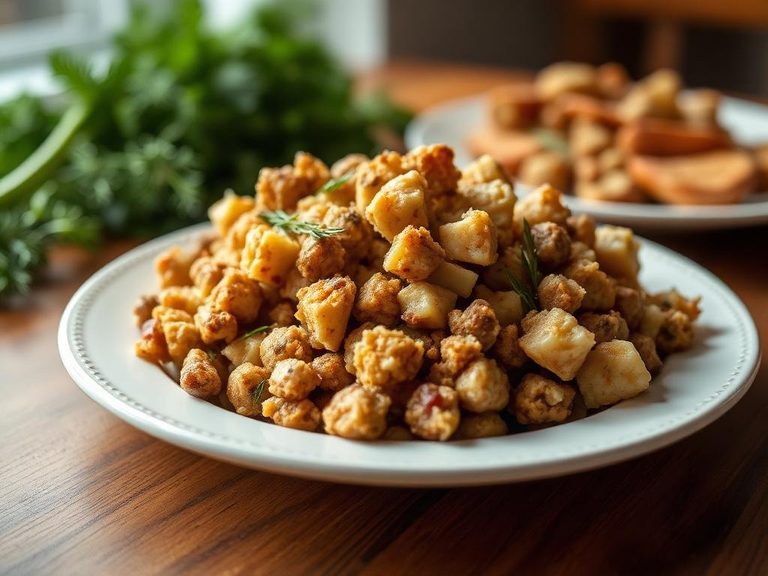
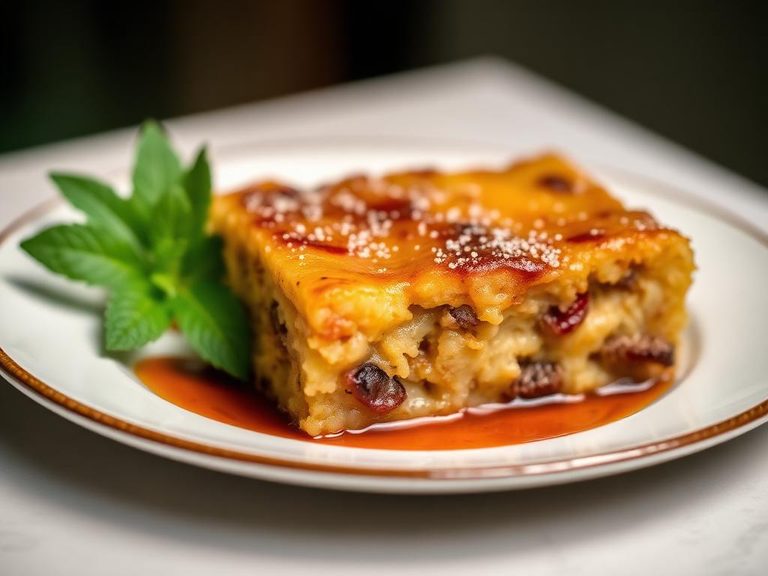

🌍 Where it's eaten
💡 Did you know?
Many gluten-free dinner rolls rely on a blend of rice flour, tapioca starch, and potato starch to achieve their soft texture, often using xanthan gum as a binder to replicate the elasticity of gluten.
Full nutrition (USDA data · scales with serving)
| Water | 44.6 g |
| Energy | 257 kcal |
| Energy | 1077 kj |
| Protein | 5.7 g |
| Total lipid (fat) | 8.2 g |
| Ash | 1.3 g |
| Carbohydrate, by difference | 40.2 g |
| Fiber, total dietary | 2.9 g |
| Total Sugars | 3.0 g |
| Sucrose | 0.00 g |
| Glucose | 1.3 g |
| Fructose | 1.6 g |
| Lactose | 0.00 g |
| Maltose | 0.18 g |
| Galactose | 0.00 g |
| Starch | 34.3 g |
| Calcium, Ca | 41.0 mg |
| Iron, Fe | 0.89 mg |
| Magnesium, Mg | 42.0 mg |
| Phosphorus, P | 128 mg |
| Potassium, K | 165 mg |
| Sodium, Na | 544 mg |
| Zinc, Zn | 0.77 mg |
| Copper, Cu | 0.11 mg |
| Manganese, Mn | 0.67 mg |
| Selenium, Se | 9.2 ug |
| Thiamin | 0.25 mg |
| Vitamin B-6 | 0.14 mg |
| Folate, total | 31.0 ug |
| Folate, food | 31.0 ug |
| Vitamin E (alpha-tocopherol) | 0.52 mg |
| Tocopherol, beta | 0.00 mg |
| Tocopherol, gamma | 2.7 mg |
| Tocopherol, delta | 0.00 mg |
| Tocotrienol, alpha | 0.00 mg |
| Tocotrienol, beta | 0.00 mg |
| Tocotrienol, gamma | 0.00 mg |
| Tocotrienol, delta | 0.00 mg |
FAQ
Can I use this roll for a traditional Thanksgiving stuffing?
Yes, it works well. Cube it and let it dry out slightly before using to help it absorb the broth and flavors without becoming mushy.
Is it suitable for a low-carb diet?
No. With over 40g of carbohydrates per 100g, it is not considered low-carb. It is designed as a gluten-free alternative, not a carb-reduced one.
How does its nutrition compare to a standard white dinner roll?
It is generally similar in calories and carbs but may have slightly higher fat content due to ingredients like oil or butter used for moisture. It is also gluten-free, which a standard roll is not.
Nutrient density (calculated · NRF9.3)
Nutrient Rich Foods index: beneficial nutrients (protein, fiber, vitamins, minerals) minus saturated fat, added sugar & sodium, per 100 kcal.
NRF9.3 index — Fulgoni, Keast & Drewnowski, 2009. Computed from USDA nutrients.
Weight-loss friendliness (composite index)
Energy density 2.57 kcal/g · 9% calories from protein · 2.9 g fiber · 3.0 g sugar per 100 g.
Composite of energy density (Rolls et al., 1999), protein & fiber satiety, minus sugar. A calculated heuristic — ranks satiety-per-calorie, not a clinical measure.
Dietary load (calculated from USDA values)
Potential renal acid load. Positive = acid-forming, negative = alkaline-forming.
Sodium-to-potassium ratio: 3.30 (lower is better — aim for ≤ 1)
Sodium:potassium per WHO potassium guidance. Computed from USDA nutrients.