Duck, young duckling, domesticated, White Pekin, breast, meat and skin, boneless, cooked, roasted
Whole food · Poultry Products

Photo: Wikipedia
Roasted White Pekin duck breast, skin-on and boneless, is a succulent cut with a rich, deeply savory flavor. The skin renders to a delicate crispness while the meat remains tender and juicy, offering a luxurious mouthfeel. It is a high-protein, zero-carb option, providing a substantial 24.5 grams of protein per 100-gram serving.
💚 Why it's loved
People adore it for its rich, gamey yet mild flavor that is more complex than chicken, and its ability to achieve perfectly crispy skin. It's a versatile centerpiece in both elegant roasts and quick pan-sears, celebrated in cuisines from French to Chinese.
⚠️ Watch-outs & how to enjoy it better
The skin and fat layer are high in saturated fat and calories, which can be a concern for heart health or calorie-conscious diets. To enjoy it, practice portion control, remove the skin before eating if needed, and pair it with fiber-rich vegetables like roasted Brussels sprouts or a bitter green salad to balance the meal.
Key benefits
- Excellent source of high-quality protein for muscle maintenance.
- Naturally carbohydrate-free, suitable for low-carb diets.
- Provides B vitamins like niacin and B6 for energy metabolism.
- Contains iron and zinc, important minerals for immune function.
🍽️ Popular dishes
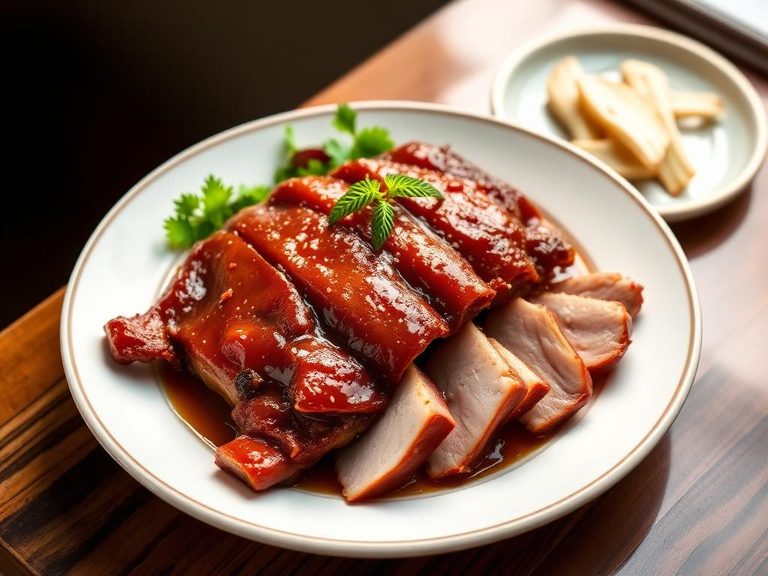
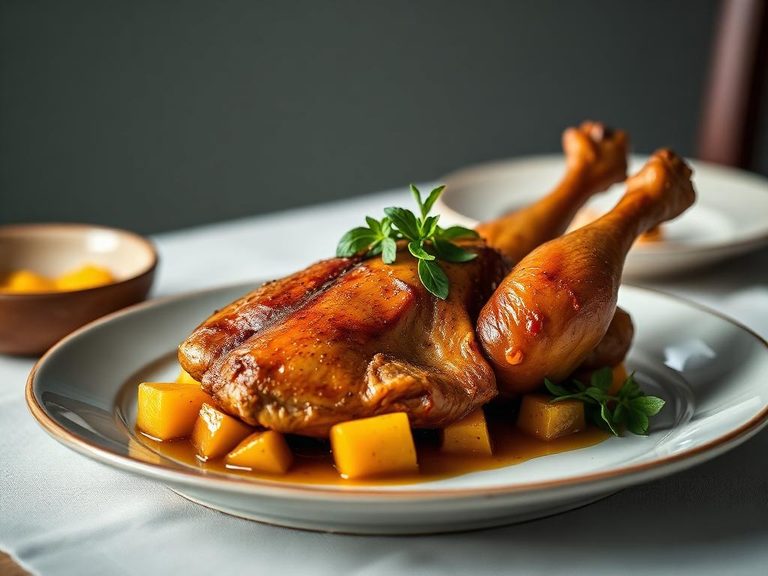
🌍 Where it's eaten
💡 Did you know?
The White Pekin duck breed was originally brought to the United States from China in 1873, and its rapid growth and mild flavor made it the dominant duck breed in American commercial farming.
Full nutrition (scales with serving)
| Water | 63.3 g |
| Energy | 202 kcal |
| Energy | 845 kj |
| Protein | 24.5 g |
| Total lipid (fat) | 10.8 g |
| Ash | 1.1 g |
| Carbohydrate, by difference | 0.00 g |
| Calcium, Ca | 8.0 mg |
| Iron, Fe | 3.3 mg |
| Sodium, Na | 84.0 mg |
| Selenium, Se | 26.4 ug |
| Vitamin C, total ascorbic acid | 2.8 mg |
| Niacin | 7.9 mg |
Fat & fatty acid profile (per 100g)
| Fatty acids, total saturated | 2.9 g |
| SFA 14:0 | 0.06 g |
| SFA 16:0 | 2.3 g |
| SFA 18:0 | 0.60 g |
| Fatty acids, total monounsaturated | 5.4 g |
| MUFA 16:1 | 0.42 g |
| MUFA 18:1 | 4.9 g |
| MUFA 20:1 | 0.06 g |
| Fatty acids, total polyunsaturated | 1.6 g |
| PUFA 18:2 | 1.5 g |
| PUFA 18:3 | 0.07 g |
| PUFA 20:4 | 0.07 g |
| Cholesterol | 136 mg |
Amino acid profile (per 100g)
| Tryptophan | 0.34 g |
| Threonine | 1.0 g |
| Isoleucine | 1.2 g |
| Leucine | 2.0 g |
| Lysine | 2.1 g |
| Methionine | 0.66 g |
| Cystine | 0.37 g |
| Phenylalanine | 1.0 g |
| Tyrosine | 0.93 g |
| Valine | 1.3 g |
| Arginine | 1.5 g |
| Histidine | 0.64 g |
| Alanine | 1.5 g |
| Aspartic acid | 2.4 g |
| Glutamic acid | 3.8 g |
| Glycine | 1.4 g |
| Proline | 1.2 g |
| Serine | 1.0 g |
FAQ
How is the nutrition different from duck with the skin removed?
Removing the skin significantly reduces the fat and calorie content. A 100g serving of skinless roasted duck breast has approximately 132 kcal and 3g of fat, compared to 202 kcal and 10.85g of fat with the skin.
Is this a good option for a low-carb or keto diet?
Yes, it is an excellent choice. With 0g of carbohydrates and a high protein and fat content, it fits perfectly into low-carb and ketogenic dietary patterns.
How should I store and reheat leftovers?
Store cooked duck breast in an airtight container in the refrigerator for up to 3 days. Reheat gently in a skillet over medium heat to re-crisp the skin, or warm in a 300°F (150°C) oven for about 10 minutes.