

Potatoes, french fried, cross cut, frozen, unprepared
Whole food · Vegetables and Vegetable Products
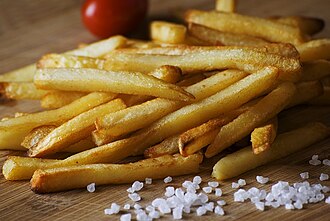
Photo: Wikipedia
These are frozen, uncooked potato pieces cut into a distinctive criss-cross or lattice pattern, designed to become exceptionally crispy when fried or baked. Their textured surface creates a satisfying crunch that contrasts with a fluffy interior, while their nutrition is defined by a moderate calorie count and a notable fat content from their preparation method.
Calorie split: 6% protein · 48% carbs · 47% fat
↓ Full nutrition💚 Why it's loved
People love them for their superior crunch and ability to hold onto seasonings and sauces in every crevice. They are a beloved, versatile staple in fast-food culture and home cooking alike, serving as the perfect side or snack.
⚠️ Watch-outs & how to enjoy it better
The high fat content from frying and potential for added sodium can be a concern for heart health and blood pressure. To counteract this, bake them in a single layer with minimal oil or use an air fryer, and pair with a low-sodium protein like grilled chicken or a fresh salad to balance the meal.
Key benefits
- Provides a quick source of energy from carbohydrates
- Contains dietary fiber for digestive health
- Offers a convenient, time-saving base for a meal
- A source of potassium, an essential mineral
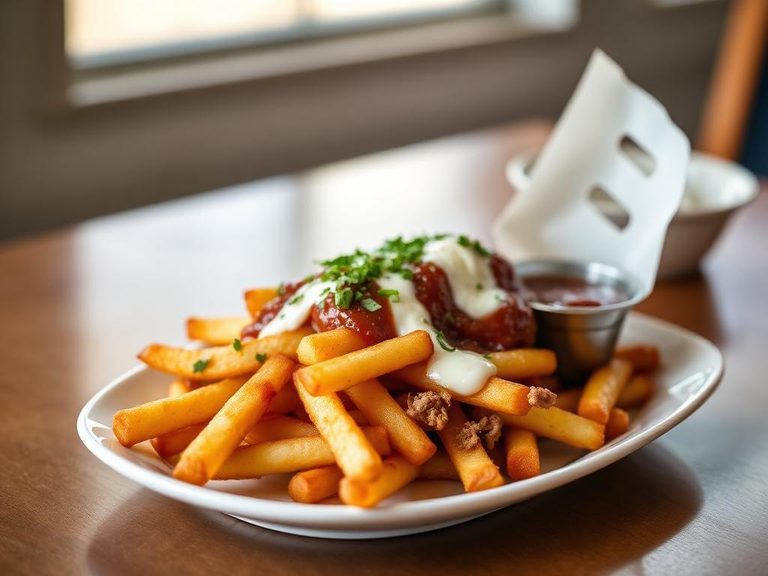
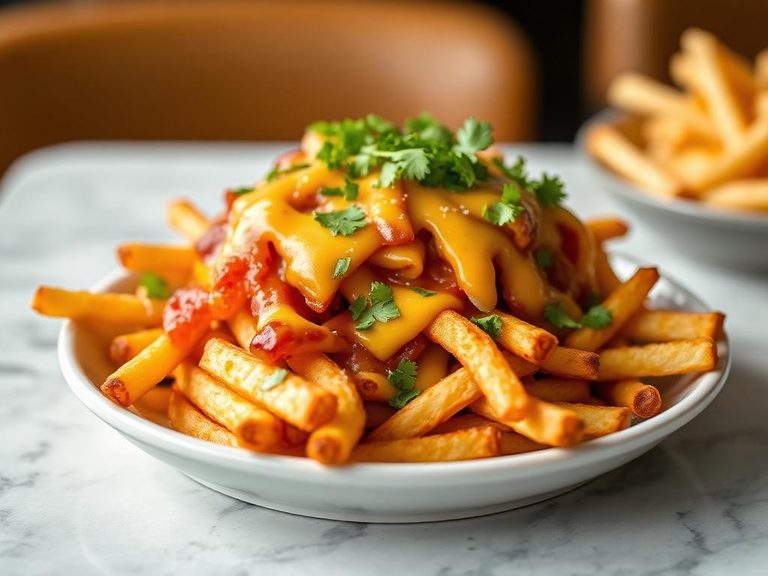
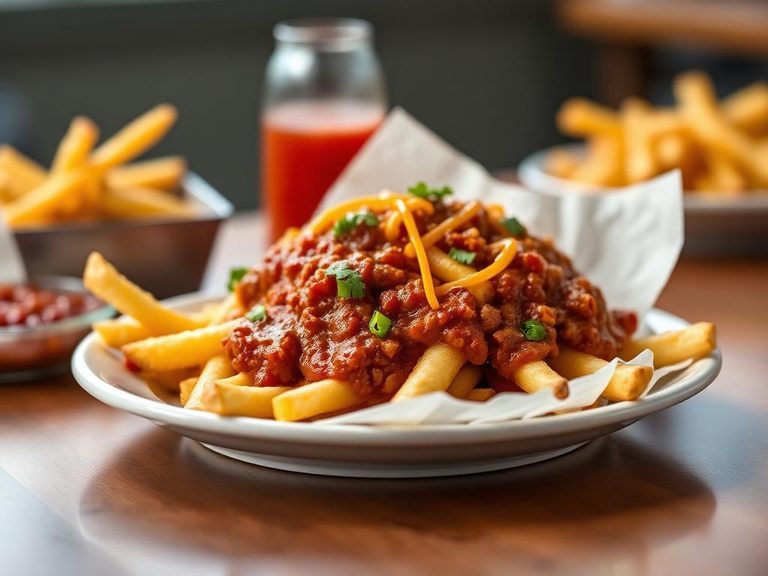
🍽️ Popular dishes
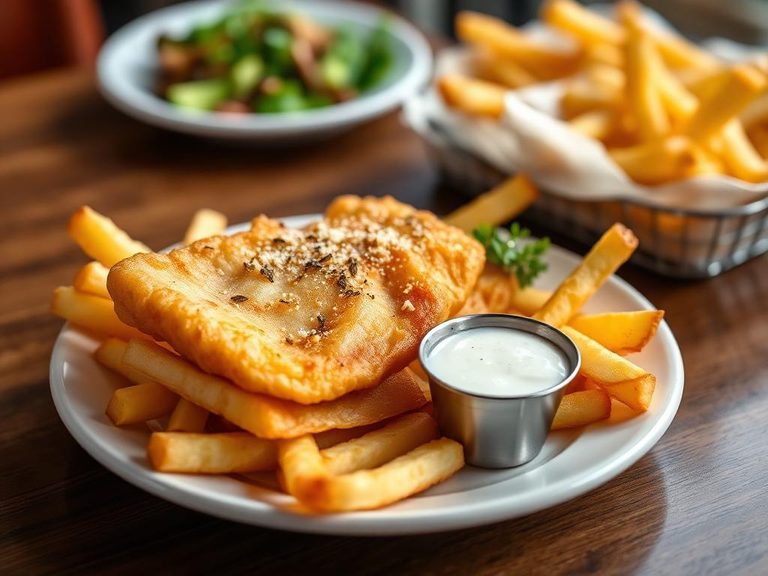
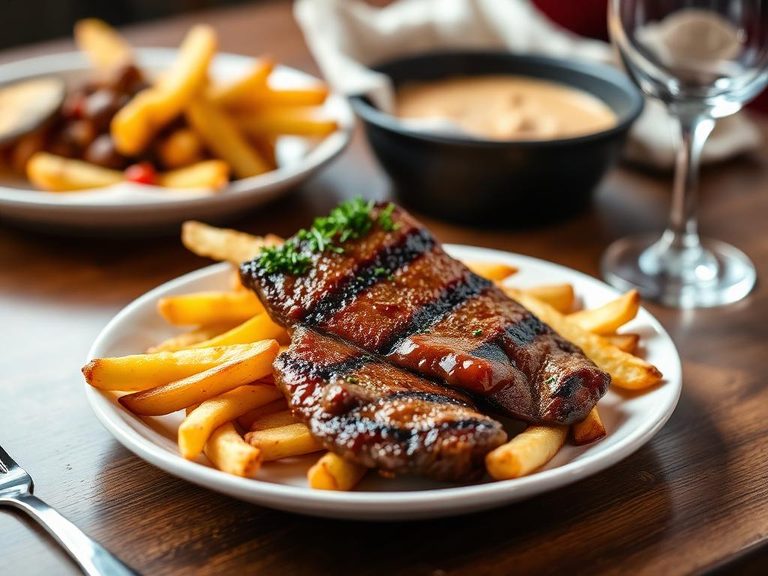
🌍 Where it's eaten
💡 Did you know?
The cross-cut or lattice design isn't just for looks; it increases the surface area by about 20%, which means more crispy edges and a better crunch compared to a standard straight cut.
Full nutrition (USDA data · scales with serving)
| Water | 62.4 g |
| Energy | 187 kcal |
| Energy | 784 kj |
| Protein | 2.7 g |
| Total lipid (fat) | 10.0 g |
| Ash | 2.0 g |
| Carbohydrate, by difference | 22.9 g |
| Fiber, total dietary | 2.3 g |
| Total Sugars | 0.49 g |
| Calcium, Ca | 13.0 mg |
| Iron, Fe | 0.87 mg |
| Potassium, K | 310 mg |
| Sodium, Na | 393 mg |
| Vitamin C, total ascorbic acid | 5.7 mg |
| Vitamin A, IU | 0.00 iu |
Fat & fatty acid profile (per 100g)
| Fatty acids, total saturated | 2.6 g |
| Fatty acids, total trans | 0.20 g |
| Cholesterol | 0.00 mg |
Amino acid profile (per 100g)
Estimated from Potatoes, french fried, all types, salt added in processing, frozen, unprepared — USDA does not publish this profile for Potatoes.
| Tryptophan | 0.02 g |
| Threonine | 0.08 g |
| Isoleucine | 0.08 g |
| Leucine | 0.13 g |
| Lysine | 0.13 g |
| Methionine | 0.04 g |
| Cystine | 0.04 g |
| Phenylalanine | 0.10 g |
| Tyrosine | 0.08 g |
| Valine | 0.12 g |
| Arginine | 0.13 g |
| Histidine | 0.05 g |
| Alanine | 0.09 g |
| Aspartic acid | 0.50 g |
| Glutamic acid | 0.40 g |
| Glycine | 0.07 g |
| Proline | 0.08 g |
| Serine | 0.10 g |
FAQ
What's the difference between these and regular frozen french fries?
The key difference is the cut. Cross-cut fries have a criss-cross, lattice-like pattern, which creates more surface area for crisping and holding toppings compared to the smooth sides of a standard straight-cut fry.
Are they healthier than restaurant french fries?
They can be, as you control the cooking method and added salt. Baking or air-frying frozen fries at home typically uses less oil than deep-frying in a restaurant, resulting in a lower fat and calorie dish.
Why are they called 'unprepared'?
'Unprepared' indicates the potatoes are blanched and frozen but not fully cooked or seasoned. They require a final cooking step (baking, frying, air-frying) to be safe and enjoyable to eat.
Nutrient density (calculated · NRF9.3)
Nutrient Rich Foods index: beneficial nutrients (protein, fiber, vitamins, minerals) minus saturated fat, added sugar & sodium, per 100 kcal.
NRF9.3 index — Fulgoni, Keast & Drewnowski, 2009. Computed from USDA nutrients.
Weight-loss friendliness (composite index)
Energy density 1.87 kcal/g · 6% calories from protein · 2.3 g fiber · 0.5 g sugar per 100 g.
Composite of energy density (Rolls et al., 1999), protein & fiber satiety, minus sugar. A calculated heuristic — ranks satiety-per-calorie, not a clinical measure.
Dietary load (calculated from USDA values)
Sodium-to-potassium ratio: 1.27 (lower is better — aim for ≤ 1)
Sodium:potassium per WHO potassium guidance. Computed from USDA nutrients.