

Pokeberry shoots, (poke), raw
Whole food · Vegetables and Vegetable Products

Photo: Wikipedia
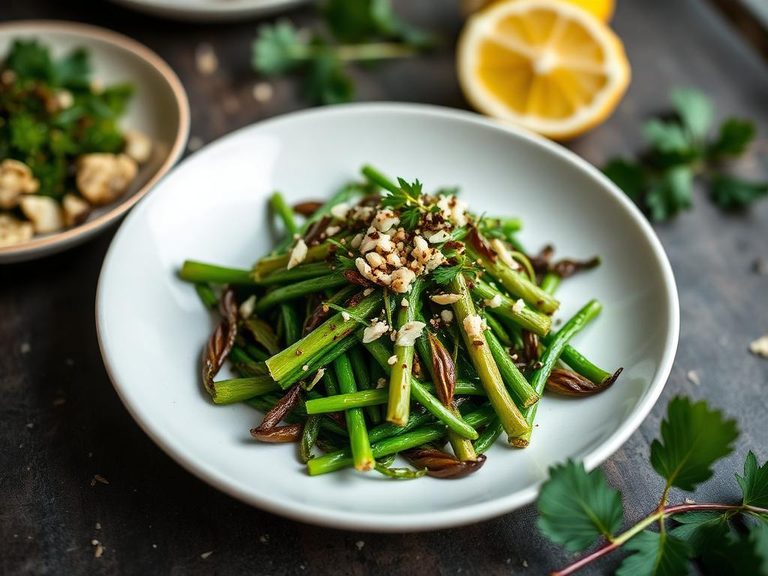
Pokeberry shoots, also known as poke sallet, are the tender, young spring shoots of the pokeweed plant, harvested before the leaves fully unfurl. They have a mild, slightly earthy flavor reminiscent of asparagus or spinach, with a tender, succulent texture when properly prepared. Nutritionally, they are a low-calorie, high-fiber green, offering a modest protein boost for a wild vegetable.
Calorie split: 36% protein · 51% carbs · 12% fat
↓ Full nutrition💚 Why it's loved
People love poke shoots for their unique, mild flavor that bridges the gap between asparagus and spinach, making them a cherished spring delicacy in the American South. They are versatile, often sautéed with bacon or ham hock, and carry a deep cultural tradition of foraging and community preparation.
⚠️ Watch-outs & how to enjoy it better
The primary concern is that pokeweed is toxic if not prepared correctly; the shoots must be young (under 6-8 inches) and undergo multiple boilings in fresh water to remove harmful phytolaccatoxins. Individuals with kidney issues should be cautious due to naturally occurring oxalates, which can be reduced by boiling and discarding the water. Always source from trusted foragers or reputable suppliers, and never consume raw or mature plants.
Key benefits
- Very low in calories (23 kcal/100g)
- Good source of dietary fiber (1.7g/100g)
- Provides a modest plant-based protein (2.6g/100g)
- Naturally fat-free and sugar-free
- Rich in vitamins A and C (when fresh)
🍽️ Popular dishes
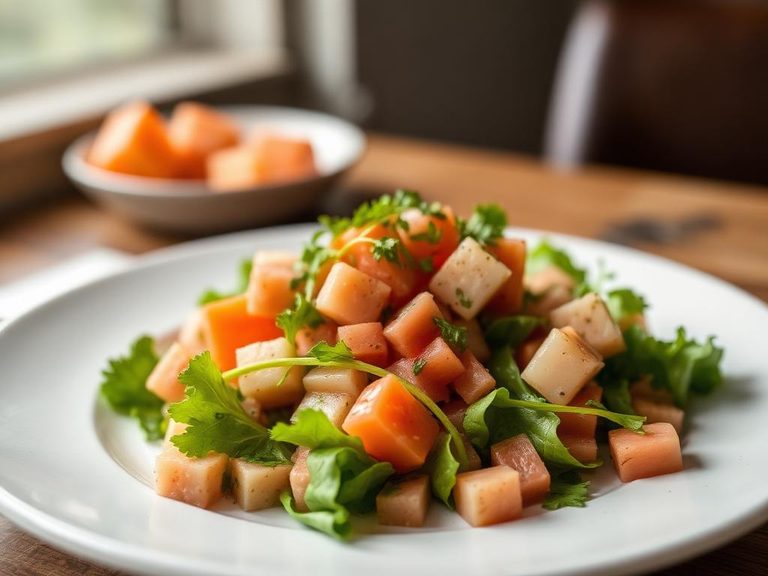
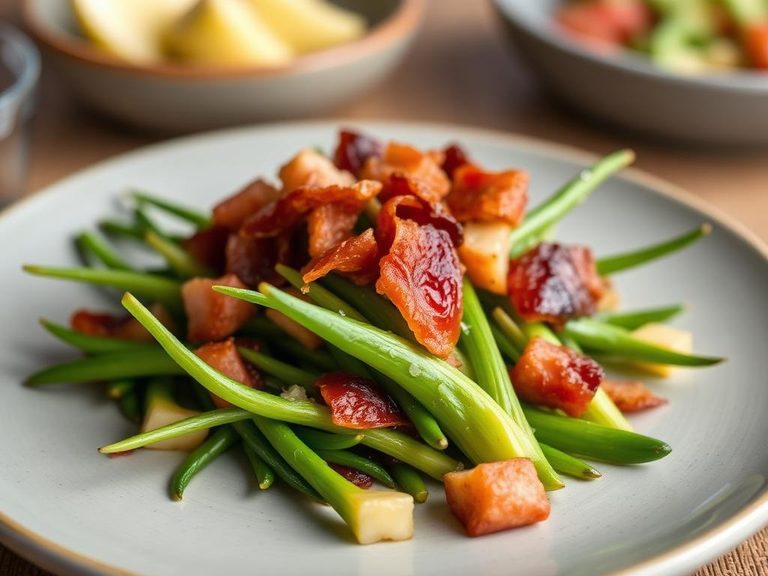
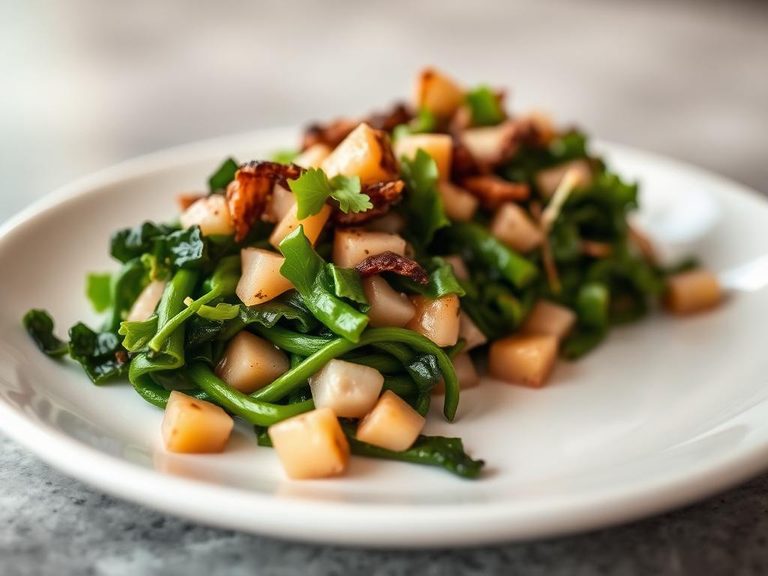
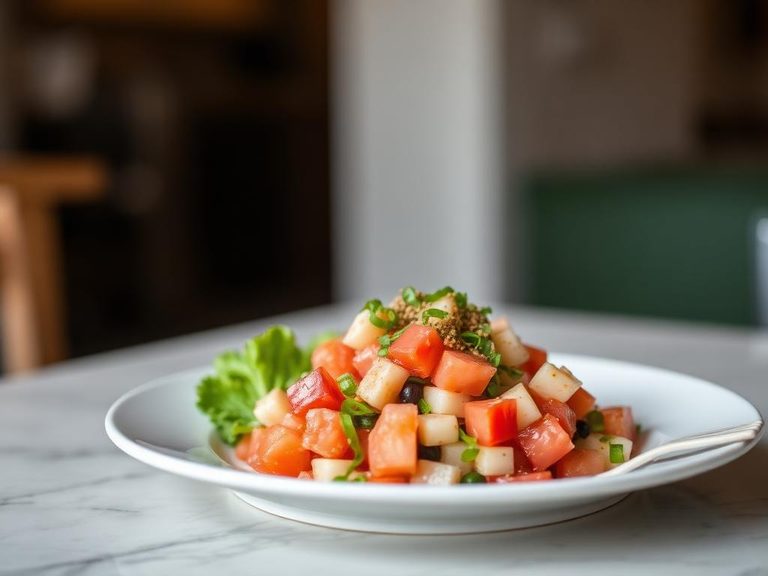
🌍 Where it's eaten
💡 Did you know?
Pokeweed (Phytolacca americana) is also known as 'American nightshade' and was used by Native Americans as a dye for clothing and as a medicinal plant, though all parts are toxic except the young shoots when properly cooked.
Full nutrition (USDA data · scales with serving)
| Water | 91.6 g |
| Energy | 23.0 kcal |
| Energy | 96.0 kj |
| Protein | 2.6 g |
| Total lipid (fat) | 0.40 g |
| Ash | 1.7 g |
| Carbohydrate, by difference | 3.7 g |
| Fiber, total dietary | 1.7 g |
| Calcium, Ca | 53.0 mg |
| Iron, Fe | 1.7 mg |
| Magnesium, Mg | 18.0 mg |
| Phosphorus, P | 44.0 mg |
| Potassium, K | 242 mg |
| Sodium, Na | 23.0 mg |
| Zinc, Zn | 0.24 mg |
| Copper, Cu | 0.16 mg |
| Manganese, Mn | 0.42 mg |
| Selenium, Se | 0.90 ug |
| Vitamin C, total ascorbic acid | 136 mg |
| Thiamin | 0.08 mg |
| Riboflavin | 0.33 mg |
| Niacin | 1.2 mg |
| Pantothenic acid | 0.05 mg |
| Vitamin B-6 | 0.15 mg |
| Folate, total | 16.0 ug |
| Folic acid | 0.00 ug |
| Folate, food | 16.0 ug |
| Folate, DFE | 16.0 ug |
| Vitamin B-12 | 0.00 ug |
| Vitamin A, RAE | 435 ug |
| Retinol | 0.00 ug |
| Vitamin A, IU | 8700 iu |
| Vitamin D (D2 + D3), International Units | 0.00 iu |
| Vitamin D (D2 + D3) | 0.00 ug |
Fat & fatty acid profile (per 100g)
| Fatty acids, total trans | 0.00 g |
| Cholesterol | 0.00 mg |
FAQ
Are pokeberry shoots safe to eat raw?
No, they are not safe raw. Pokeweed contains toxins that must be removed by boiling the young shoots in multiple changes of water before consumption.
How do I know which poke shoots to harvest?
Only harvest young shoots (under 6-8 inches tall) in early spring before the leaves fully open and the stems turn purple. Avoid mature plants, roots, berries, and seeds, which are highly toxic.
What does poke shoot taste like?
Poke shoots have a mild, earthy flavor similar to asparagus or spinach, with a tender, slightly succulent texture when properly cooked.
How do I prepare poke shoots safely?
Boil the young shoots in a large pot of water for 10-15 minutes, then drain and repeat the process 2-3 times with fresh water. This removes the toxins. After boiling, they can be sautéed, seasoned, or added to dishes.
Nutrient density (calculated · NRF9.3)
Nutrient Rich Foods index: beneficial nutrients (protein, fiber, vitamins, minerals) minus saturated fat, added sugar & sodium, per 100 kcal.
NRF9.3 index — Fulgoni, Keast & Drewnowski, 2009. Computed from USDA nutrients.
Weight-loss friendliness (composite index)
Energy density 0.23 kcal/g · 45% calories from protein · 1.7 g fiber · 0.0 g sugar per 100 g.
Composite of energy density (Rolls et al., 1999), protein & fiber satiety, minus sugar. A calculated heuristic — ranks satiety-per-calorie, not a clinical measure.
Dietary load (calculated from USDA values)
Potential renal acid load. Positive = acid-forming, negative = alkaline-forming.
Sodium-to-potassium ratio: 0.10 (lower is better — aim for ≤ 1)
Sodium:potassium per WHO potassium guidance. Computed from USDA nutrients.