

Drumstick pods, cooked, boiled, drained, with salt
Whole food · Vegetables and Vegetable Products

Photo: Wikipedia
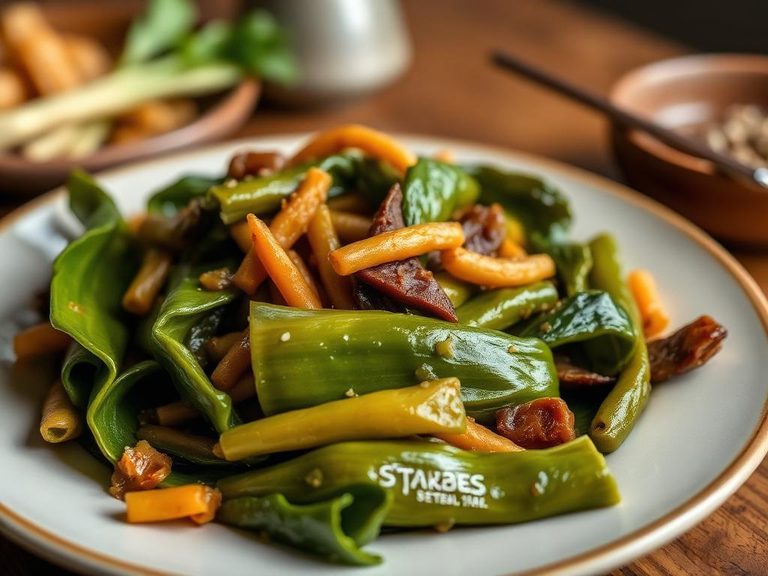
Drumstick pods, the slender green seed pods of the Moringa tree, are a staple vegetable in many tropical cuisines. When boiled and salted, they offer a tender, slightly fibrous texture with a mild, earthy flavor reminiscent of asparagus and green beans. Nutritionally, they are a low-calorie powerhouse, providing significant dietary fiber and plant-based protein with minimal fat.
Calorie split: 20% protein · 76% carbs · 4% fat
↓ Full nutrition💚 Why it's loved
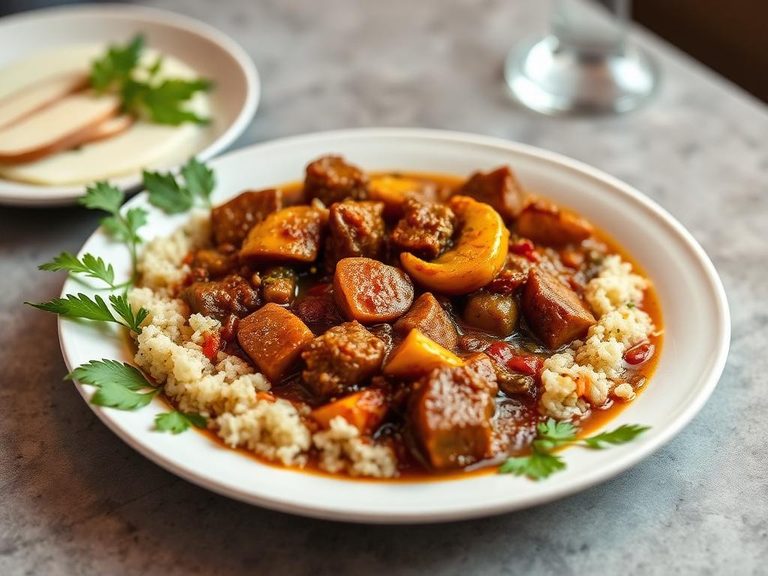
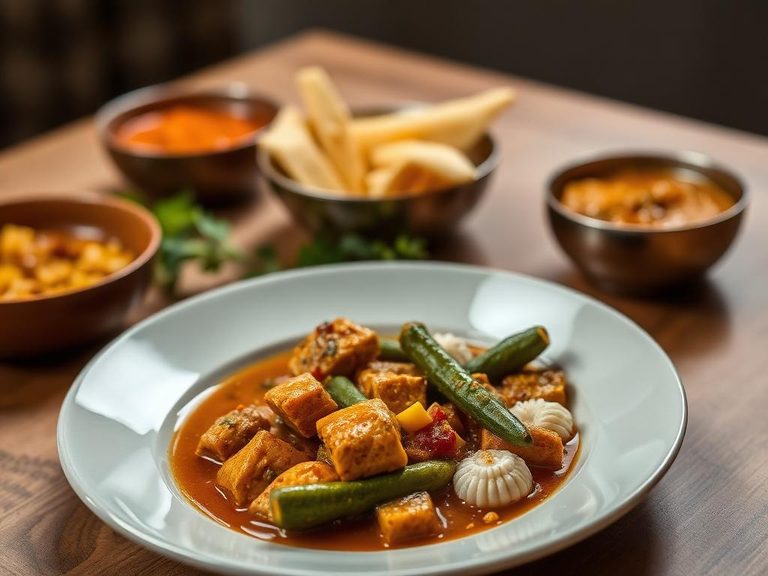
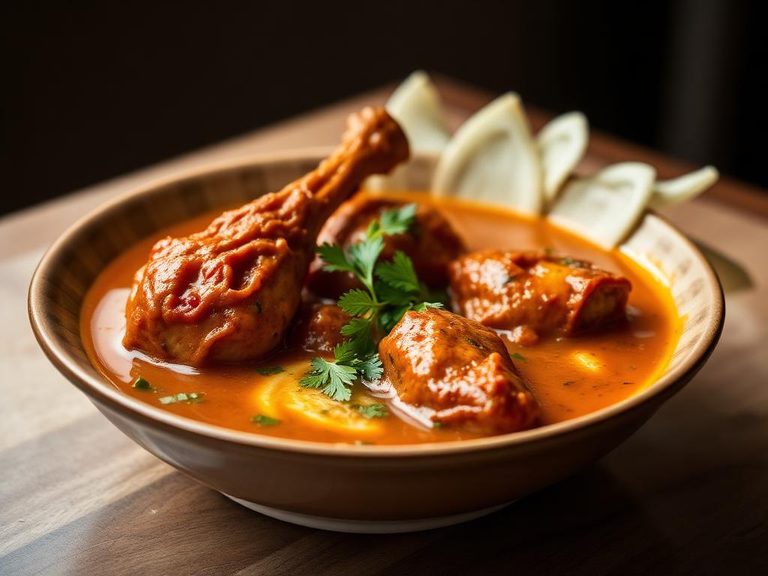
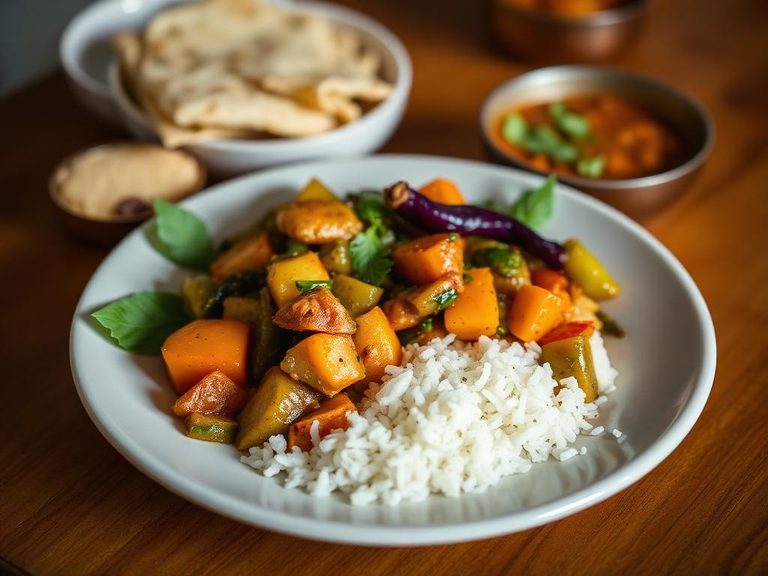
People love drumsticks for their unique ability to impart a deep, savory flavor to broths and curries, where they are often sucked for their soft pulp and seeds. They are cherished in South Asian home cooking for their versatility and are considered a comforting, nutritious vegetable.
⚠️ Watch-outs & how to enjoy it better
The pods can be quite fibrous and tough if not cooked thoroughly, which may be off-putting to some. They contain antinutrients like phytates and oxalates, which can slightly reduce mineral absorption; pairing them with vitamin C-rich foods (like tomatoes or lemon) can help counteract this. The added salt in preparation is a consideration for those monitoring sodium intake.
Key benefits
- Excellent source of dietary fiber (4.2g per 100g).
- Low-calorie vegetable option (36 kcal per 100g).
- Provides plant-based protein (2.09g per 100g).
- Very low in fat (0.19g per 100g).
- Source of essential minerals like potassium and calcium.
🍽️ Popular dishes
🌍 Where it's eaten
💡 Did you know?
The Moringa tree, from which drumsticks come, is often called the 'miracle tree' or 'tree of life' because nearly every part of it—pods, leaves, seeds, flowers, and roots—is edible and used in traditional medicine or cuisine.
Full nutrition (USDA data · scales with serving)
| Water | 88.4 g |
| Energy | 36.0 kcal |
| Energy | 151 kj |
| Protein | 2.1 g |
| Total lipid (fat) | 0.19 g |
| Ash | 1.1 g |
| Carbohydrate, by difference | 8.2 g |
| Fiber, total dietary | 4.2 g |
| Calcium, Ca | 20.0 mg |
| Iron, Fe | 0.45 mg |
| Magnesium, Mg | 42.0 mg |
| Phosphorus, P | 49.0 mg |
| Potassium, K | 457 mg |
| Sodium, Na | 279 mg |
| Zinc, Zn | 0.42 mg |
| Copper, Cu | 0.08 mg |
| Manganese, Mn | 0.24 mg |
| Selenium, Se | 0.70 ug |
| Vitamin C, total ascorbic acid | 97.0 mg |
| Thiamin | 0.05 mg |
| Riboflavin | 0.07 mg |
| Niacin | 0.59 mg |
| Pantothenic acid | 0.70 mg |
| Vitamin B-6 | 0.11 mg |
| Folate, total | 30.0 ug |
| Folic acid | 0.00 ug |
| Folate, food | 30.0 ug |
| Folate, DFE | 30.0 ug |
| Vitamin B-12 | 0.00 ug |
| Vitamin A, RAE | 4.0 ug |
| Retinol | 0.00 ug |
| Vitamin A, IU | 70.0 iu |
| Vitamin D (D2 + D3), International Units | 0.00 iu |
| Vitamin D (D2 + D3) | 0.00 ug |
Fat & fatty acid profile (per 100g)
| Fatty acids, total trans | 0.00 g |
| Cholesterol | 0.00 mg |
FAQ
How do you eat a drumstick pod?
Typically, you hold one end, scrape the soft inner pulp and seeds off the tough outer skin with your teeth, and discard the fibrous shell.
Are drumstick pods the same as moringa?
Yes, drumstick pods are the long, slender seed pods of the Moringa oleifera tree. The leaves of the same tree are also widely eaten and called moringa leaves.
Why are my boiled drumsticks so tough?
They likely need a longer cooking time. Drumsticks should be boiled until the outer skin is tender enough to easily scrape off the inner pulp with your teeth, which can take 15-20 minutes.
Nutrient density (calculated · NRF9.3)
Nutrient Rich Foods index: beneficial nutrients (protein, fiber, vitamins, minerals) minus saturated fat, added sugar & sodium, per 100 kcal.
NRF9.3 index — Fulgoni, Keast & Drewnowski, 2009. Computed from USDA nutrients.
Weight-loss friendliness (composite index)
Energy density 0.36 kcal/g · 23% calories from protein · 4.2 g fiber · 0.0 g sugar per 100 g.
Composite of energy density (Rolls et al., 1999), protein & fiber satiety, minus sugar. A calculated heuristic — ranks satiety-per-calorie, not a clinical measure.
Dietary load (calculated from USDA values)
Potential renal acid load. Positive = acid-forming, negative = alkaline-forming.
Sodium-to-potassium ratio: 0.61 (lower is better — aim for ≤ 1)
Sodium:potassium per WHO potassium guidance. Computed from USDA nutrients.