

Butterbur, canned
Whole food · Vegetables and Vegetable Products

Photo: Wikipedia
Canned butterbur is the preserved, sliced stalks of a large-leaved perennial plant, offering a soft, slightly crunchy texture and a mild, earthy flavor reminiscent of celery or artichoke hearts. Nutritionally, it is an extremely low-calorie, low-carb vegetable option, providing negligible amounts of protein, fat, and sugar.
Calorie split: 14% protein · 49% carbs · 37% fat
↓ Full nutrition💚 Why it's loved
People appreciate butterbur for its versatile, mild taste that absorbs dressings and seasonings well, making it a flexible addition to salads, pickles, and cooked dishes. It holds cultural significance in Japanese cuisine, where it is known as 'fuki' and is a traditional spring vegetable.
⚠️ Watch-outs & how to enjoy it better
The primary concern is the presence of naturally occurring pyrrolizidine alkaloids (PAs), which are toxic to the liver. Reputable canned products are processed to remove these PAs, but consumers should always choose brands that explicitly state 'PA-free.' Those with ragweed allergies may also react to butterbur due to related plant compounds.
Key benefits
- Extremely low in calories (3 kcal per 100g)
- Very low in carbohydrates and sugars
- Provides a source of dietary fiber when consumed in larger portions
- Contains antioxidants like petasins
- Offers a unique, mild vegetable flavor for culinary variety
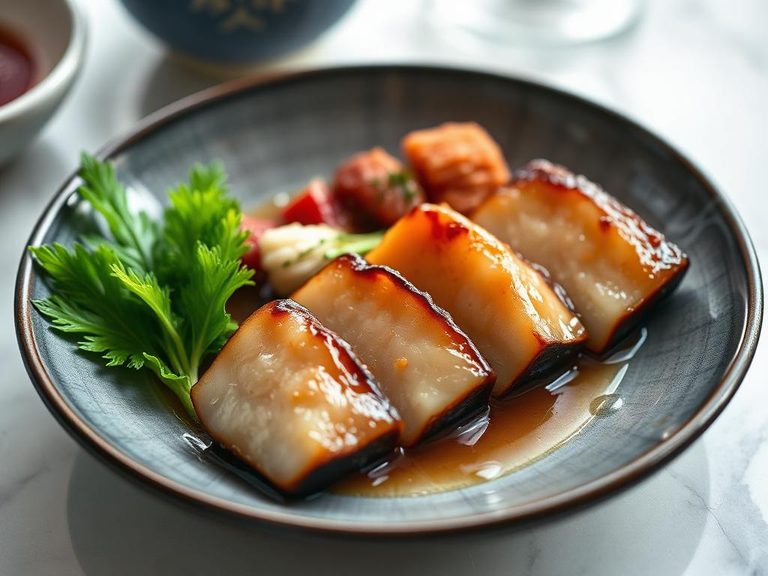
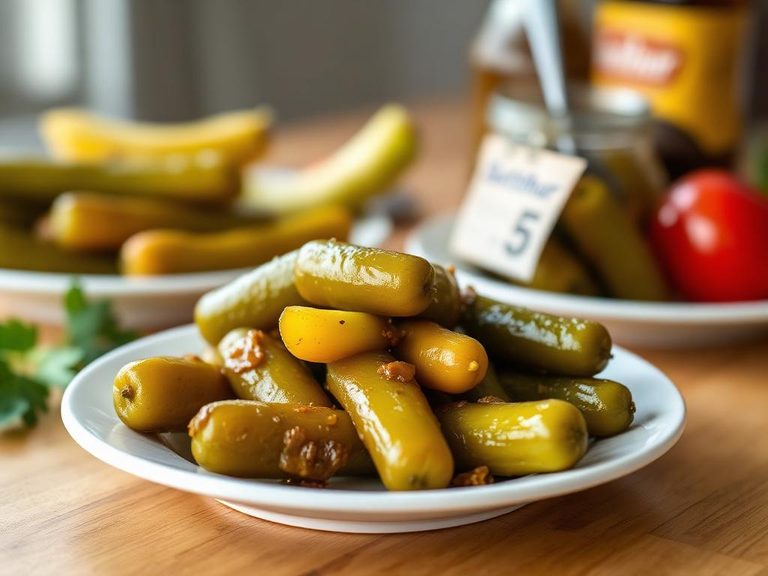
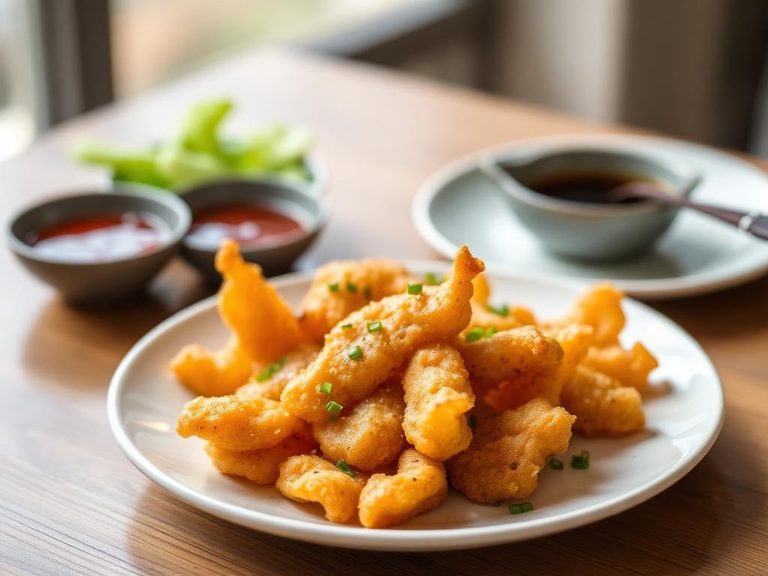
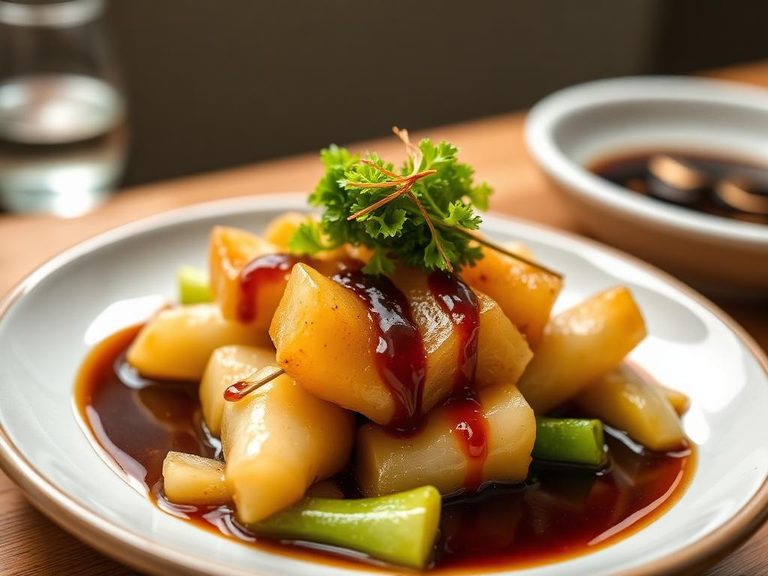
🍽️ Popular dishes
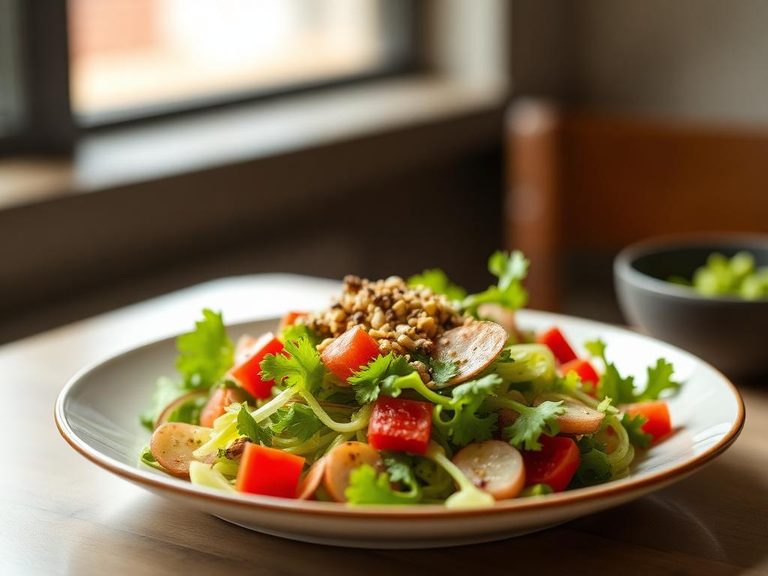
🌍 Where it's eaten
💡 Did you know?
The giant leaves of the butterbur plant were historically used as wrappers for butter in Europe, which is how it earned its common English name.
Full nutrition (USDA data · scales with serving)
| Water | 97.9 g |
| Energy | 3.0 kcal |
| Energy | 13.0 kj |
| Protein | 0.11 g |
| Total lipid (fat) | 0.13 g |
| Ash | 1.5 g |
| Carbohydrate, by difference | 0.38 g |
| Calcium, Ca | 34.0 mg |
| Iron, Fe | 0.63 mg |
| Magnesium, Mg | 2.0 mg |
| Phosphorus, P | 4.0 mg |
| Potassium, K | 12.0 mg |
| Sodium, Na | 4.0 mg |
| Zinc, Zn | 0.06 mg |
| Copper, Cu | 0.04 mg |
| Manganese, Mn | 0.10 mg |
| Selenium, Se | 0.90 ug |
| Vitamin C, total ascorbic acid | 11.9 mg |
| Thiamin | 0.01 mg |
| Riboflavin | 0.01 mg |
| Niacin | 0.14 mg |
| Pantothenic acid | 0.01 mg |
| Vitamin B-6 | 0.03 mg |
| Folate, total | 3.0 ug |
| Folic acid | 0.00 ug |
| Folate, food | 3.0 ug |
| Folate, DFE | 3.0 ug |
| Vitamin B-12 | 0.00 ug |
| Vitamin A, RAE | 0.00 ug |
| Retinol | 0.00 ug |
| Vitamin A, IU | 0.00 iu |
| Vitamin D (D2 + D3), International Units | 0.00 iu |
| Vitamin D (D2 + D3) | 0.00 ug |
Fat & fatty acid profile (per 100g)
| Fatty acids, total trans | 0.00 g |
| Cholesterol | 0.00 mg |
FAQ
Is canned butterbur safe to eat?
Yes, when purchased from reputable brands that process it to remove toxic pyrrolizidine alkaloids (PAs). Always check the label for 'PA-free' or similar safety assurances.
What does butterbur taste like?
It has a mild, earthy flavor similar to celery, artichoke hearts, or a subtle asparagus, with a soft yet slightly crunchy texture when canned.
How do I use canned butterbur in cooking?
Drain and rinse it, then use it as you would canned artichoke hearts or cooked celery. It's great in salads, stir-fries, soups, tempura, or simmered in savory broths.
Nutrient density (calculated · NRF9.3)
Nutrient Rich Foods index: beneficial nutrients (protein, fiber, vitamins, minerals) minus saturated fat, added sugar & sodium, per 100 kcal.
NRF9.3 index — Fulgoni, Keast & Drewnowski, 2009. Computed from USDA nutrients.
Weight-loss friendliness (composite index)
Energy density 0.03 kcal/g · 15% calories from protein · 0.0 g fiber · 0.0 g sugar per 100 g.
Composite of energy density (Rolls et al., 1999), protein & fiber satiety, minus sugar. A calculated heuristic — ranks satiety-per-calorie, not a clinical measure.
Dietary load (calculated from USDA values)
Potential renal acid load. Positive = acid-forming, negative = alkaline-forming.
Sodium-to-potassium ratio: 0.33 (lower is better — aim for ≤ 1)
Sodium:potassium per WHO potassium guidance. Computed from USDA nutrients.