

Fukinotō
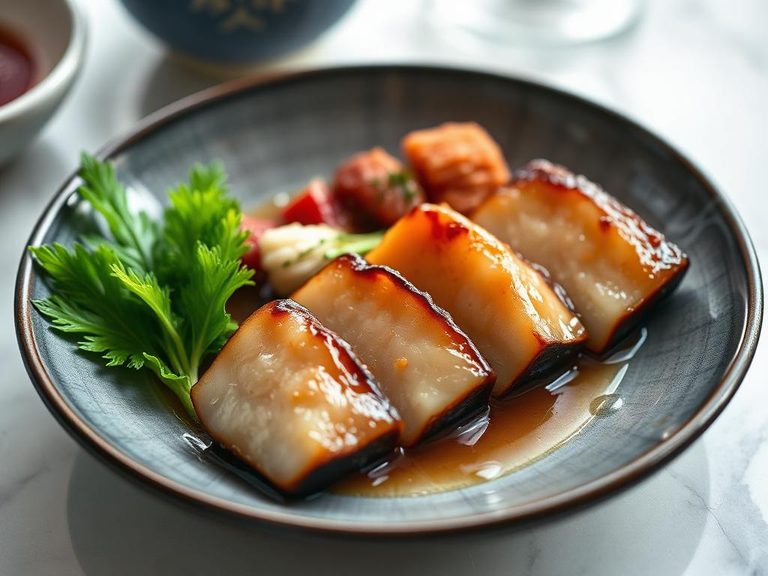
Fukinotō is a traditional Japanese dish made from the pickled or boiled flower buds of the butterbur plant (Fuki). It is typically prepared with a savory-sweet glaze of soy sauce, sugar, and mirin, and is a beloved seasonal delicacy in the Tohoku region, especially during spring. The dish is often enjoyed as a side dish or incorporated into rice bowls and salads.
🍽️ Nutrition at a glance
Fukinotō is low in calories and fat, providing a good source of dietary fiber and essential minerals like potassium and iron. A typical serving contains around 50-70 calories, making it a light yet nutrient-dense addition to a meal.
Nutrition breakdown
| Calories | 60 kcal |
| Protein | 2.5 g |
| Carbs | 12 g |
| Fat | 0.5 g |
| Fiber | 4 g |
| Sugar | 5 g |
| Sodium | 350 mg |
| Potassium | 280 mg |
| Iron | 1.8 mg |
| Vitamin C | 15 mg |
| Vitamin A | 250 IU |
| Calcium | 60 mg |
| Magnesium | 25 mg |
| Manganese | 0.3 mg |
| Phosphorus | 40 mg |
Per 1 cup (150 g) · estimated, varies by recipe
💡 What's interesting
Fukinotō is a quintessential example of 'sansai' (wild mountain vegetables) in Japanese cuisine, valued for its unique bitter flavor that symbolizes the arrival of spring. Nutritionally, it is rich in antioxidants and has been traditionally used in Japanese folk medicine for its potential anti-inflammatory properties.
🍽️ Related dishes
AI estimate may be inaccurate · Terms