

Fukinotō tempura
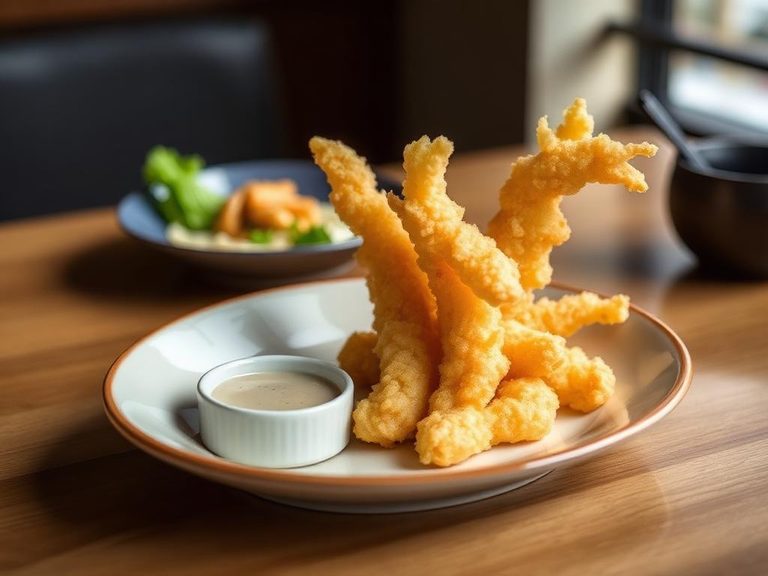
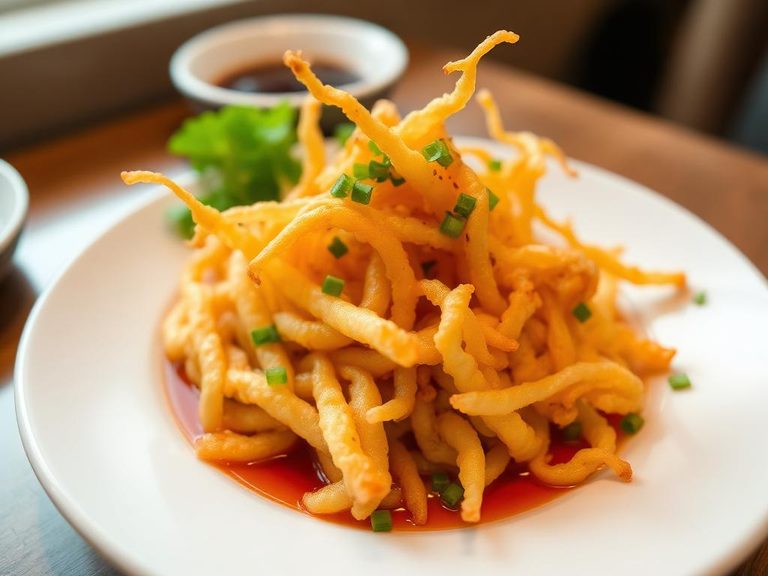
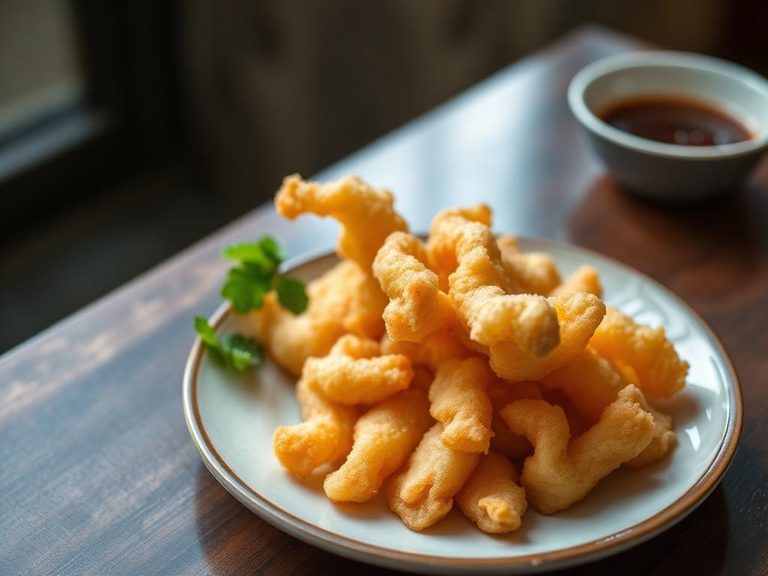
Fukinotō tempura is a seasonal Japanese delicacy made from the young, unopened flower buds of the butterbur plant, lightly battered and deep-fried. It is a classic spring dish, particularly popular in the Tohoku region, known for its unique, slightly bitter, and earthy flavor. The buds are typically prepared in a sweet vinegar marinade before being coated in a crispy tempura batter.
🍽️ Nutrition at a glance
This dish is moderate in carbohydrates and fat due to the tempura batter and frying oil, with a small amount of plant-based protein. It is a good source of dietary fiber and provides essential minerals like potassium and manganese, with a typical serving containing roughly 200-250 calories.
Nutrition breakdown
| Calories | 220 kcal |
| Protein | 3.5 g |
| Carbs | 22 g |
| Fat | 13 g |
| Fiber | 4.5 g |
| Sugar | 3 g |
| Sodium | 380 mg |
| Potassium | 350 mg |
| Manganese | 0.4 mg |
| Vitamin C | 15 mg |
| Vitamin K | 25 mcg |
| Calcium | 90 mg |
| Magnesium | 30 mg |
| Iron | 1.2 mg |
| Phosphorus | 60 mg |
Per 1 cup (150 g) · estimated, varies by recipe
💡 What's interesting
Fukinotō is a celebrated 'sansai' (mountain vegetable) that marks the arrival of spring in Japan, with its name literally meaning 'butterbur sprout.' Its distinct bitter taste is prized for its refreshing quality and is believed to have detoxifying properties, making it a beloved seasonal treat.
🍽️ Related dishes


AI estimate may be inaccurate · Terms