Butterbur Pickles
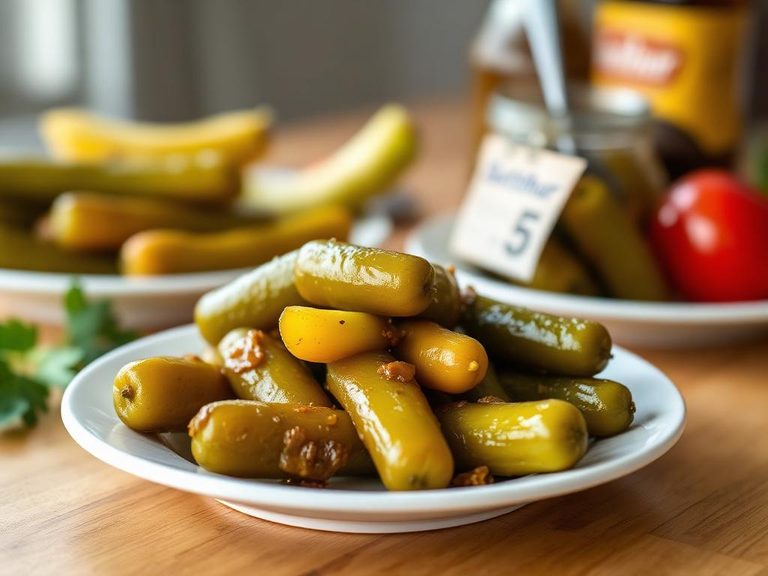
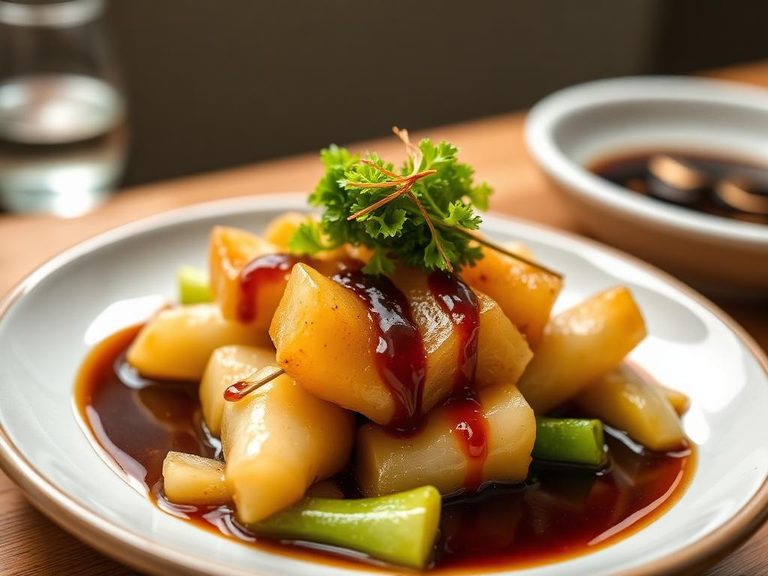
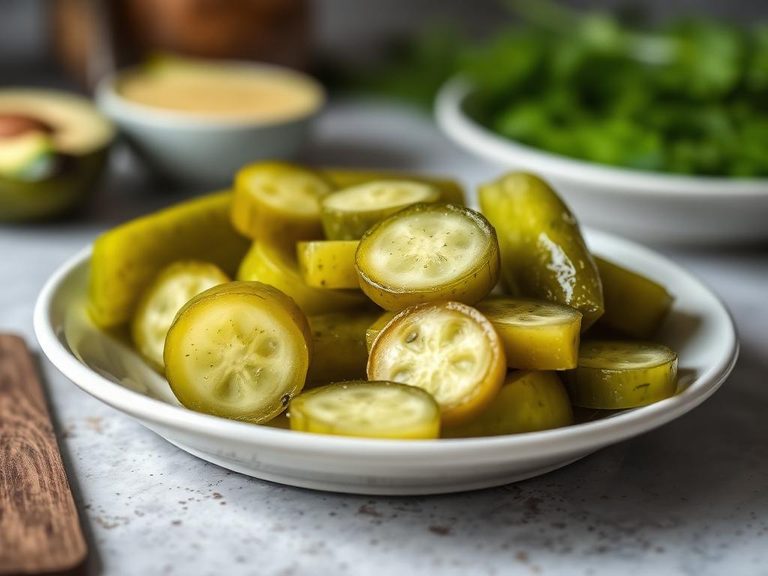
Butterbur pickles are a traditional Japanese tsukemono (pickle) made from the stalks of the butterbur plant, known as fuki. They are typically prepared by salt-pickling or pickling in rice bran (nukazuke), resulting in a crisp, savory, and slightly bitter condiment. This dish is a classic part of Japanese home cooking and seasonal cuisine.
🍽️ Nutrition at a glance
Butterbur pickles are very low in calories, fat, and protein, with carbohydrates coming primarily from the plant fiber and any added pickling agents. They are a good source of dietary fiber and provide minerals like potassium, while the pickling process can contribute a significant amount of sodium.
Nutrition breakdown
| Calories | 30 kcal |
| Protein | 1.5 g |
| Carbs | 6 g |
| Fat | 0.2 g |
| Fiber | 3 g |
| Sugar | 2 g |
| Sodium | 800 mg |
| Potassium | 280 mg |
| Vitamin K | 35 mcg |
| Manganese | 0.3 mg |
| Iron | 0.8 mg |
| Vitamin B6 | 0.1 mg |
| Magnesium | 15 mg |
| Calcium | 40 mg |
| Phosphorus | 30 mg |
Per 1 cup (150 g) · estimated, varies by recipe
💡 What's interesting
Culturally, butterbur pickles highlight the Japanese appreciation for seasonal, foraged ingredients and the art of preservation. Nutritionally, butterbur contains compounds like petasins which have been studied for potential anti-inflammatory properties, though the pickling process alters the raw vegetable's profile.