Butterbur Mushi
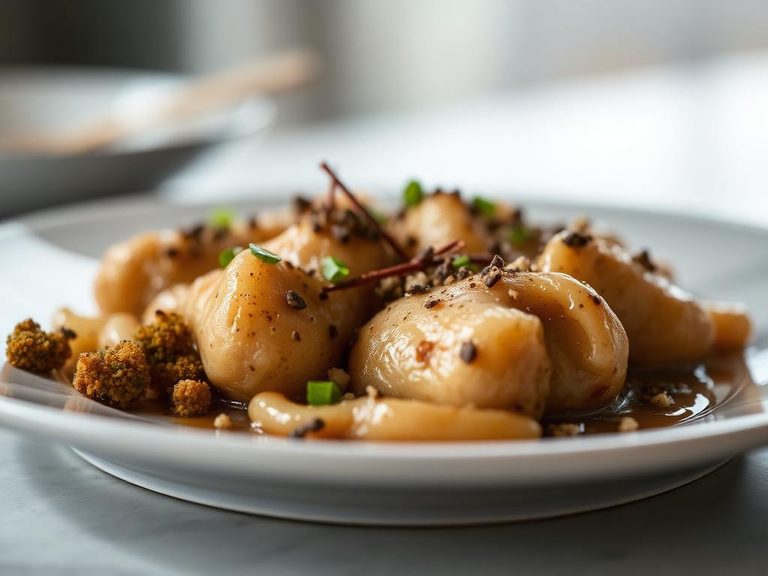
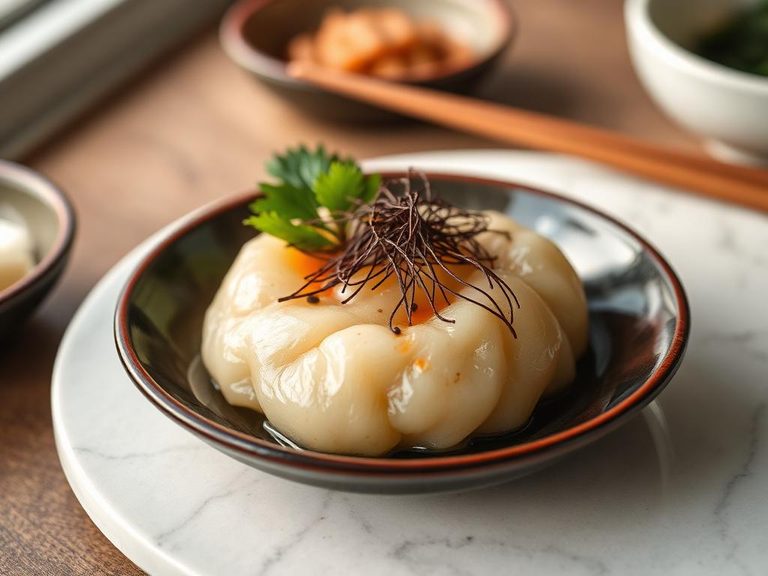
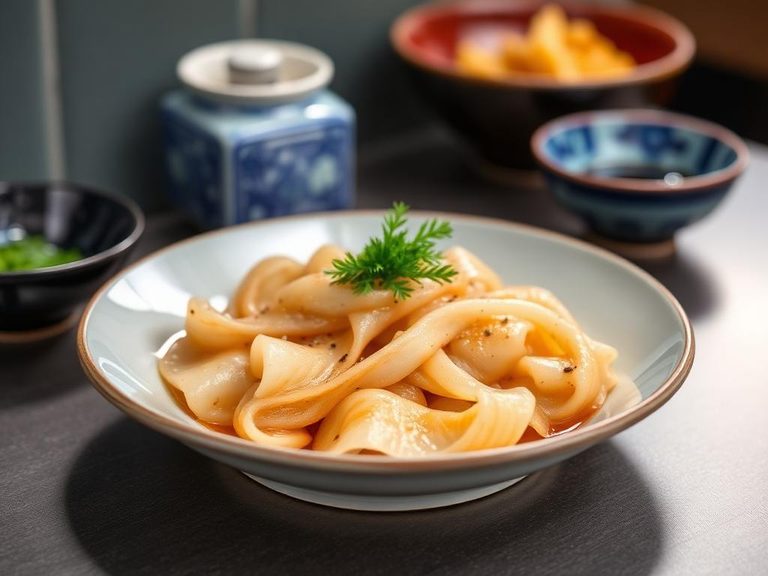
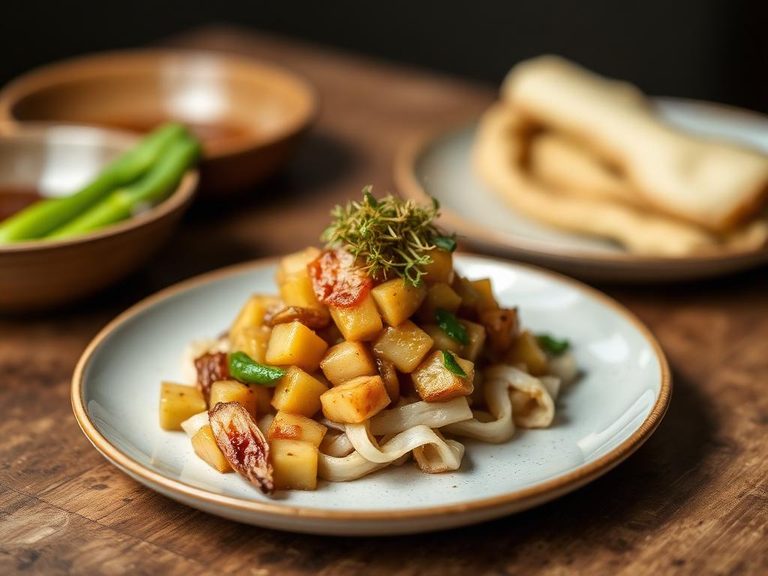
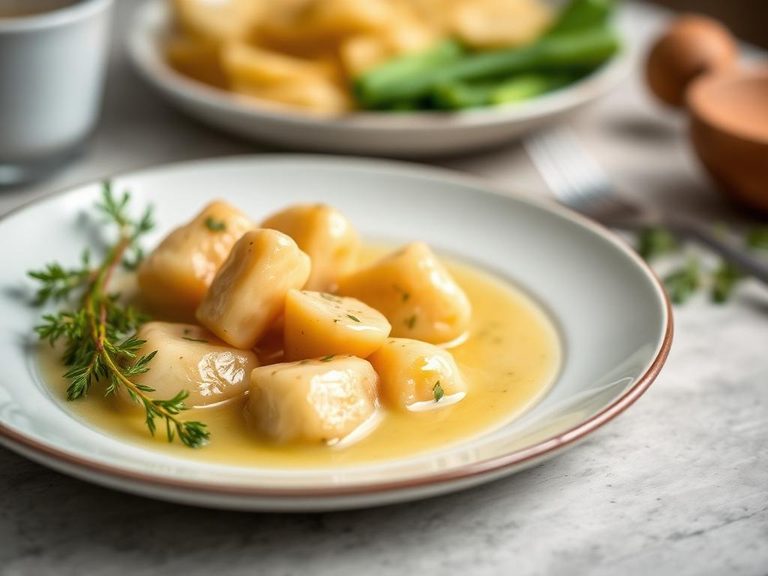
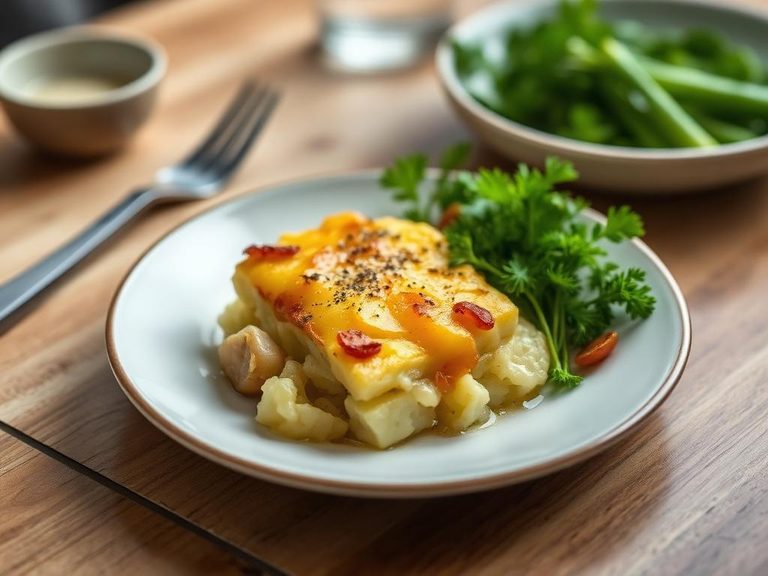
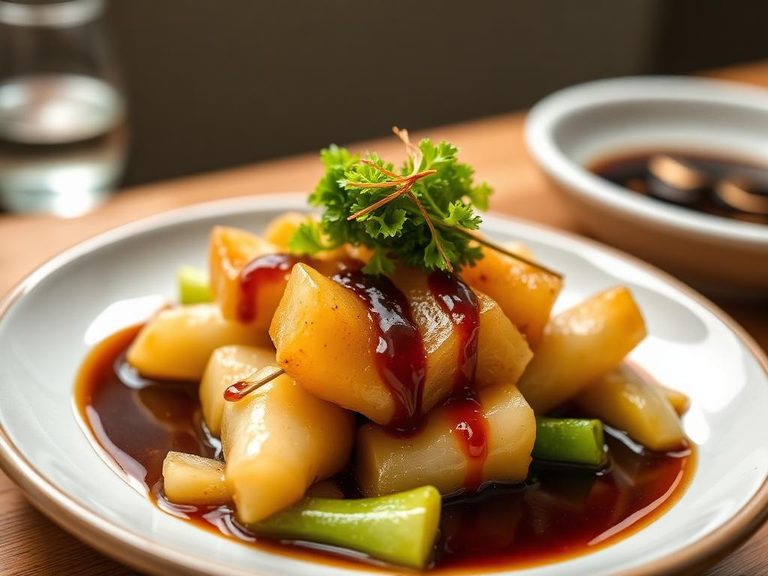
Butterbur Mushi (蕗の薹蒸し) is a traditional Japanese spring dish made by steaming young, edible butterbur stems (fuki) in a savory egg custard (chawanmushi). The tender, slightly bitter butterbur is the star ingredient, often paired with shrimp or chicken for added flavor and texture.
🍽️ Nutrition at a glance
This dish is low in fat and moderate in protein, primarily from the egg custard and any added seafood or meat. It is a good source of dietary fiber, vitamin C, and potassium, with a rough calorie estimate of 100-150 kcal per serving.
Nutrition breakdown
| Calories | 120 kcal |
| Protein | 8 g |
| Carbs | 10 g |
| Fat | 5 g |
| Fiber | 3 g |
| Sugar | 2 g |
| Sodium | 380 mg |
| Potassium | 320 mg |
| Vitamin C | 15 mg |
| Vitamin A | 90 mcg RAE |
| Calcium | 50 mg |
| Iron | 1.2 mg |
| Phosphorus | 110 mg |
| Vitamin K | 25 mcg |
| Folate | 40 mcg |
Per 1 cup (200 g) · estimated, varies by recipe
💡 What's interesting
Butterbur Mushi is a celebrated example of 'sansai ryori' (wild mountain vegetable cuisine), highlighting the Japanese culinary tradition of foraging and enjoying seasonal, foraged ingredients. The slight bitterness of the butterbur is considered a desirable flavor that heralds the arrival of spring.