Butterbur with Miso
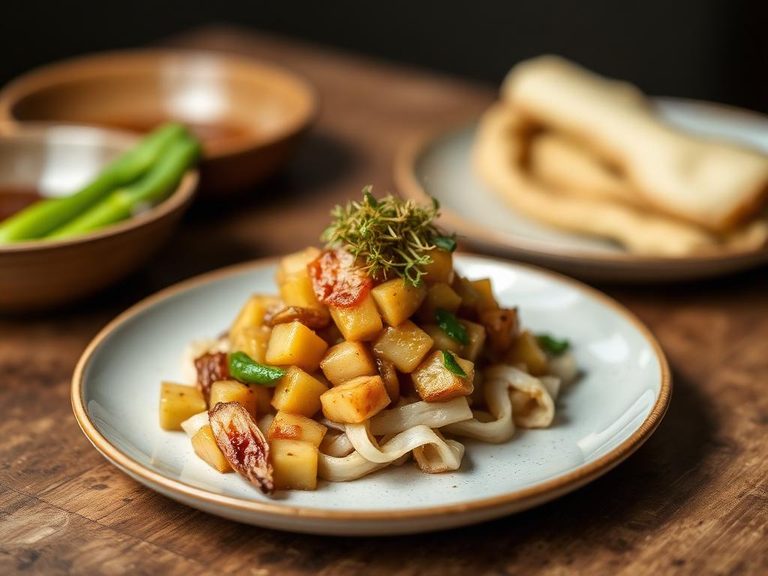
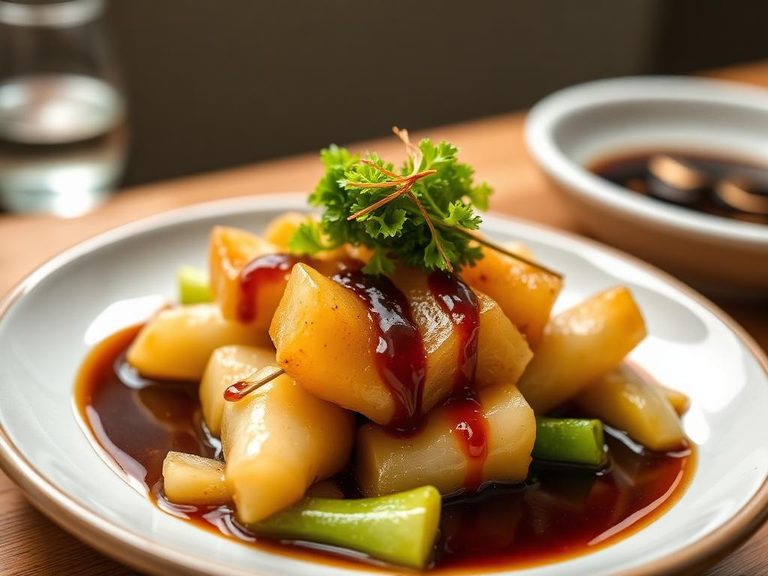
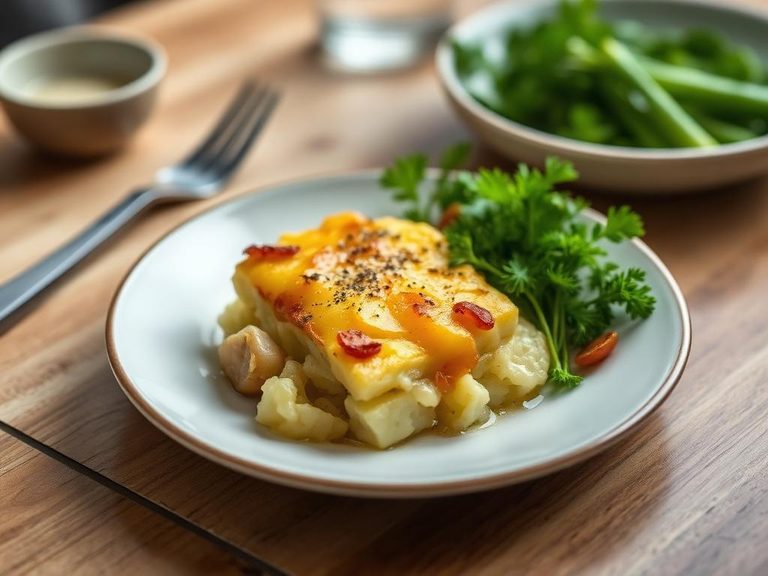
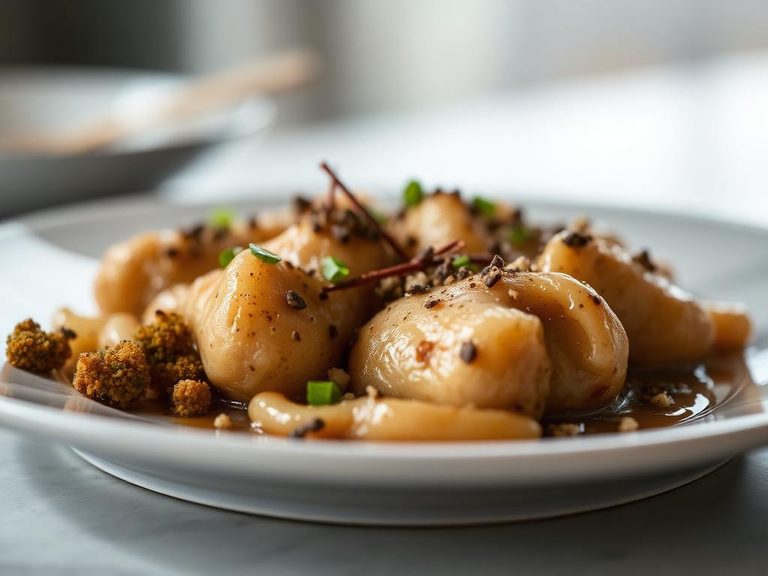
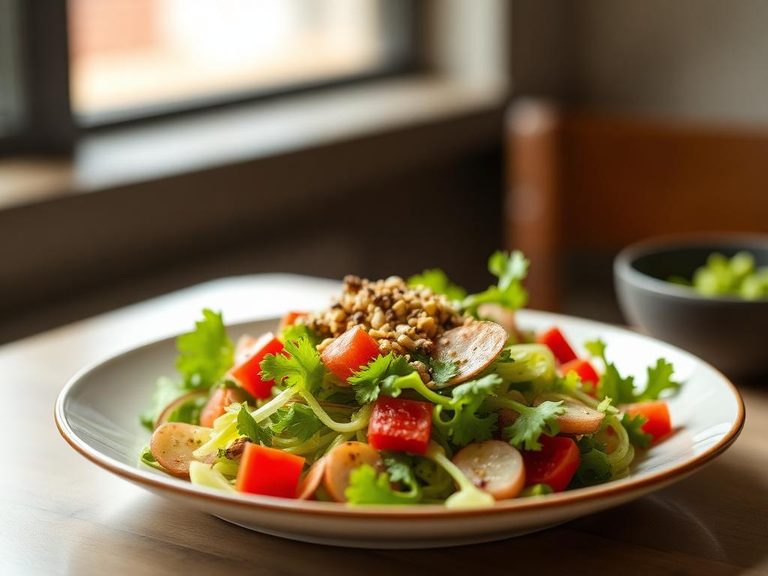
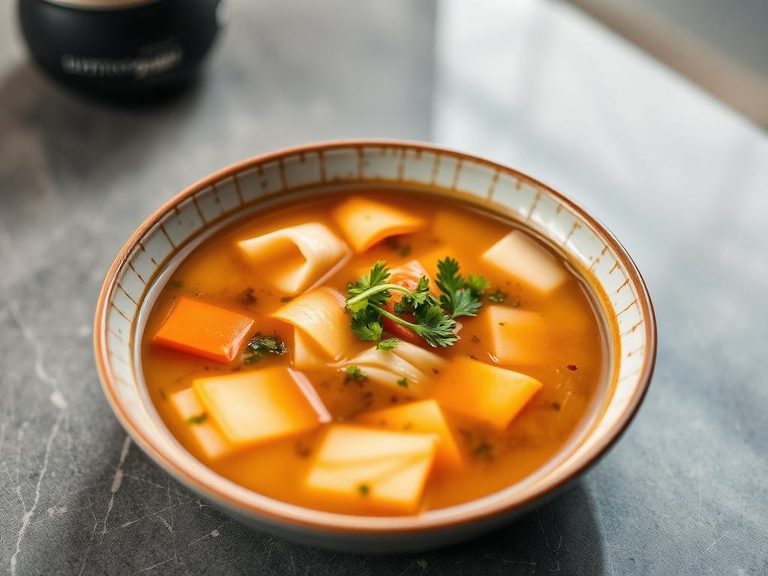
Butterbur with Miso (Fuki no Tō) is a classic Japanese side dish made from the tender stems of the butterbur plant, simmered in a savory-sweet miso-based broth. It is a staple of traditional Japanese home cooking and seasonal cuisine, particularly enjoyed in spring. The dish typically features butterbur stems, miso paste, sugar, and mirin, often garnished with a little grated ginger.
🍽️ Nutrition at a glance
This dish is relatively low in calories and fat, providing a good source of dietary fiber and essential minerals. A typical serving offers a modest amount of plant-based protein and is rich in potassium and iron, with a calorie count generally around 50-70 kcal per serving.
Nutrition breakdown
| Calories | 60 kcal |
| Protein | 2 g |
| Carbs | 10 g |
| Fat | 1 g |
| Fiber | 3 g |
| Sugar | 5 g |
| Sodium | 350 mg |
| Potassium | 250 mg |
| Iron | 1.5 mg |
| Calcium | 40 mg |
| Magnesium | 20 mg |
| Vitamin C | 5 mg |
| Vitamin K | 25 µg |
| Manganese | 0.3 mg |
| Phosphorus | 30 mg |
Per 1/2 cup (100 g) · estimated, varies by recipe
💡 What's interesting
Butterbur (Fuki) is one of the classic 'sansai' or wild mountain vegetables in Japan, foraged in early spring and valued for its unique, slightly bitter flavor. The miso not only adds umami depth but also helps balance the bitterness, showcasing a traditional Japanese approach to preparing wild greens.