Japanese Tai no Mushi
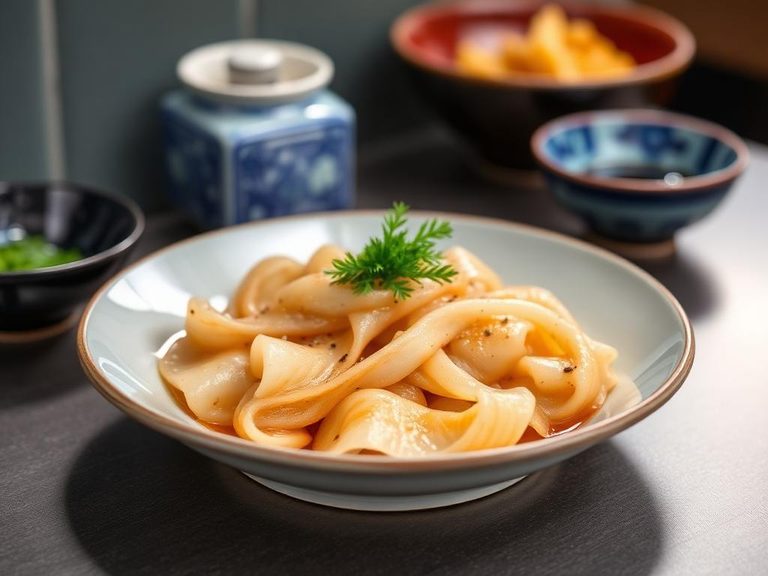
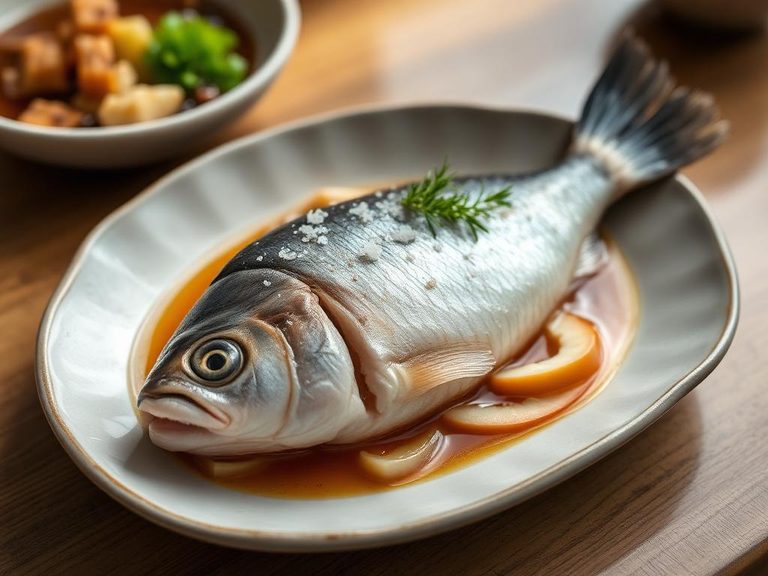
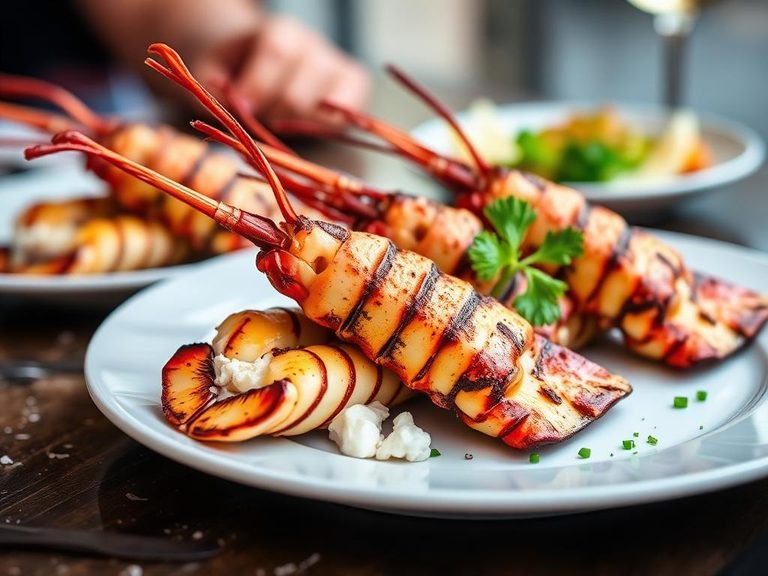
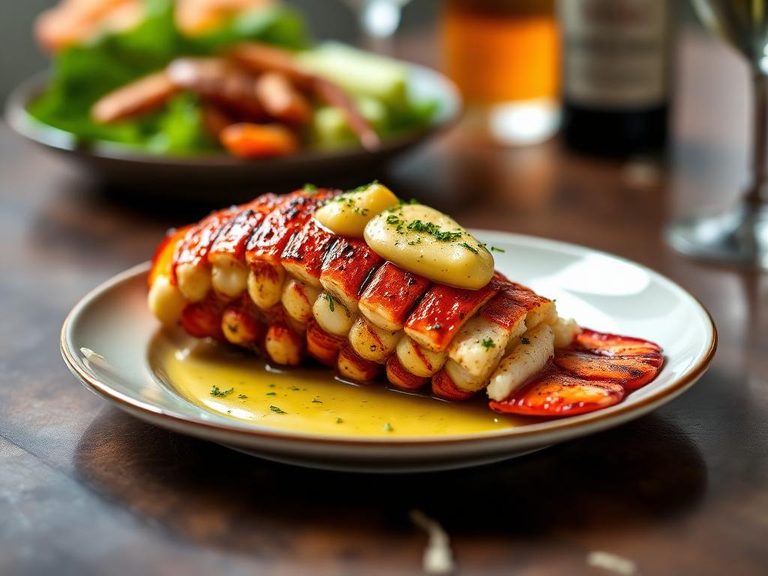
Tai no Mushi is a traditional Japanese steamed sea bream dish, where a whole fish is gently cooked with sake, ginger, and sometimes kelp to preserve its delicate flavor. It is a celebratory food, often served at weddings, birthdays, and New Year's, symbolizing good fortune and happiness due to the fish's name being a homophone for 'medetai' (auspicious). The dish is prized for its clean, subtle taste and soft, flaky texture.
🍽️ Nutrition at a glance
This dish is a high-protein, low-fat meal, providing a good source of lean protein and essential minerals like selenium and phosphorus. A typical serving is relatively low in calories, generally ranging from 150 to 200 kcal, depending on the size of the fish and any added seasonings.
Nutrition breakdown
| Calories | 180 kcal |
| Protein | 34 g |
| Carbs | 0.5 g |
| Fat | 4.5 g |
| Fiber | 0 g |
| Sugar | 0 g |
| Sodium | 450 mg |
| Selenium | 55 mcg |
| Phosphorus | 300 mg |
| Vitamin B12 | 2.5 mcg |
| Niacin (B3) | 8 mg |
| Potassium | 420 mg |
| Magnesium | 35 mg |
| Omega-3 (EPA+DHA) | 0.5 g |
| Vitamin D | 1.5 mcg |
Per 1 whole small sea bream (about 250g, edible portion) · estimated, varies by recipe
💡 What's interesting
Culturally, Tai no Mushi is deeply symbolic; the sea bream (tai) is considered the 'king of fish' in Japan and is almost always present at joyous occasions. Nutritionally, the steaming method is exceptionally healthy, as it requires no added oil and helps retain the fish's natural nutrients and delicate omega-3 fatty acids.