Japanese Tai no Shiomushi
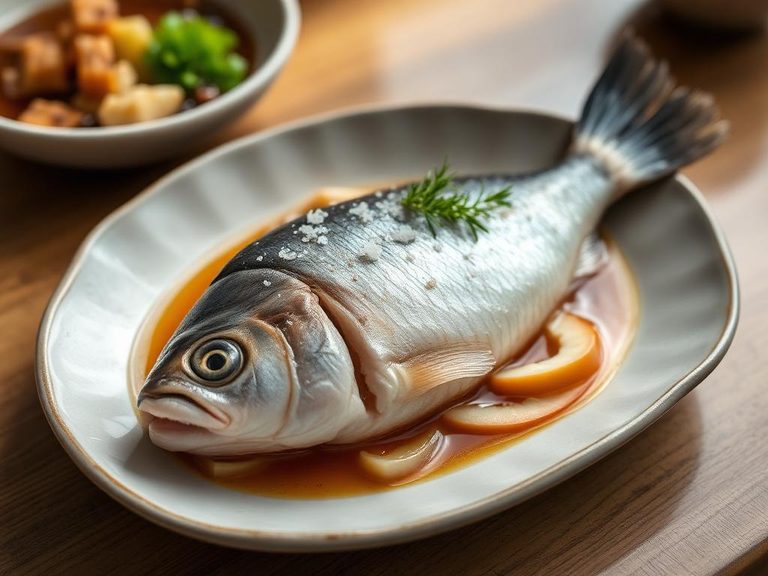
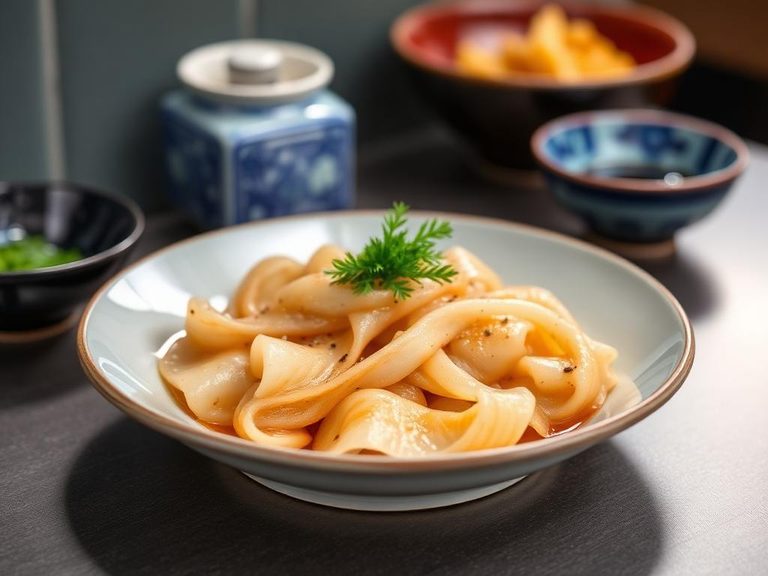
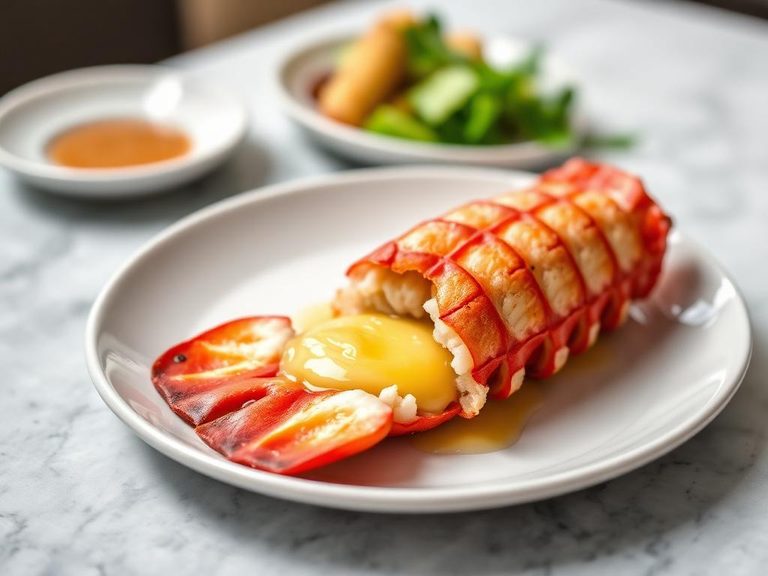
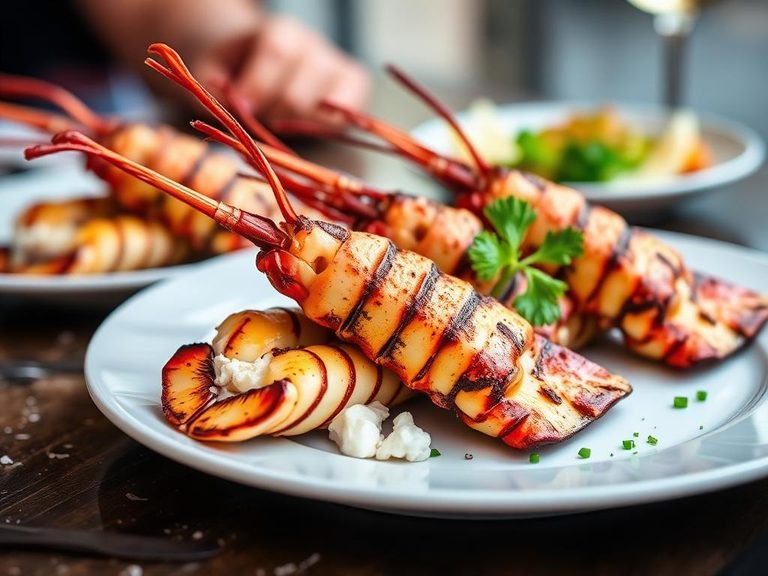
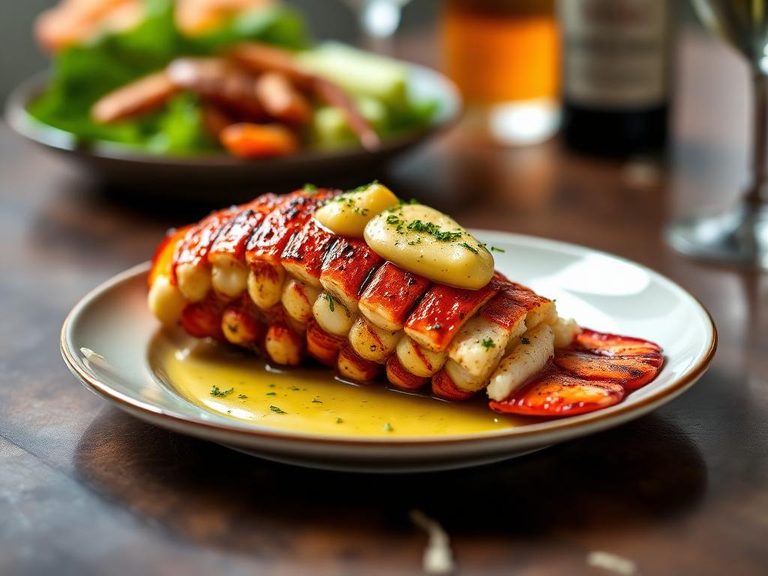
Tai no Shiomushi is a traditional Japanese dish consisting of sea bream (tai) steamed with salt, often cooked with sake and ginger to enhance flavor. It is a simple yet elegant preparation originating from Japan, commonly served during celebratory occasions like New Year's or birthdays. The dish highlights the natural sweetness of the fish with minimal seasoning.
🍽️ Nutrition at a glance
This dish is high in protein and low in carbohydrates, making it a lean, nutrient-dense option. It provides omega-3 fatty acids, vitamin D, and minerals like selenium, with a rough calorie count of around 150-200 per serving depending on the fish size and added ingredients.
Nutrition breakdown
| Calories | 190 kcal |
| Protein | 34 g |
| Carbs | 0 g |
| Fat | 5 g |
| Fiber | 0 g |
| Sugar | 0 g |
| Sodium | 600 mg |
| Potassium | 450 mg |
| Phosphorus | 320 mg |
| Selenium | 60 mcg |
| Vitamin B12 | 3.5 mcg |
| Niacin (B3) | 8 mg |
| Vitamin D | 5 mcg |
| Magnesium | 40 mg |
| Omega-3 (EPA+DHA) | 800 mg |
Per 1 fillet (150 g) · estimated, varies by recipe
💡 What's interesting
Culturally, tai no shiomushi is considered a symbol of good fortune and celebration in Japan, as 'tai' (sea bream) sounds like 'medetai' (auspicious). Nutritionally, steaming preserves the fish's delicate texture and nutrients without added fats, making it a heart-healthy choice in traditional Japanese cuisine.