

Bear, black, meat (Alaska Native)
Whole food · American Indian/Alaska Native Foods

Photo: Wikipedia
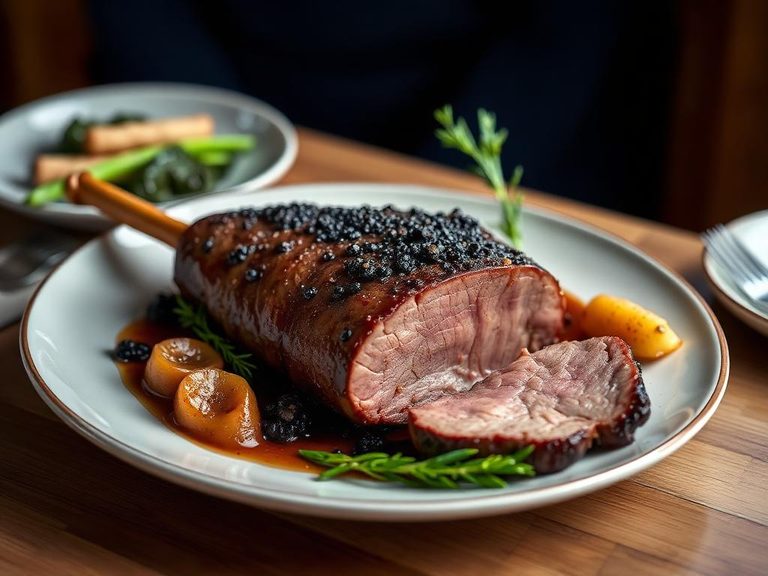
Black bear meat is a lean, dark red game meat with a texture and flavor often compared to a cross between beef and venison, but with a slightly sweeter, richer profile due to the animal's omnivorous diet of berries, nuts, and salmon. It is exceptionally high in protein and very low in carbohydrates, making it a dense source of sustenance. Nutritionally, it's a powerhouse of protein with minimal fat, especially when trimmed of its thick layer of subcutaneous fat.
Calorie split: 52% protein · 0% carbs · 48% fat
↓ Full nutrition💚 Why it's loved
People who appreciate wild game love black bear for its robust, slightly sweet flavor that stands up well to bold seasonings and slow-cooking methods. It holds a deep cultural significance in Alaska Native traditions, representing a connection to the land and subsistence practices.
⚠️ Watch-outs & how to enjoy it better
The meat can have a strong, gamey taste if not properly prepared or from an older animal. There is a critical safety concern: bear meat must be cooked thoroughly (to an internal temperature of 160°F / 71°C) to eliminate the risk of Trichinella parasites. To counteract a strong flavor, marinate the meat in acidic or enzymatic solutions (like buttermilk or wine) for 24 hours before cooking.
Key benefits
- Extremely high in complete protein (20.1g per 100g)
- Very low in carbohydrates and sugars (0g)
- A dense source of iron and B vitamins
- Leaner than many domesticated red meats
- A traditional, sustainable food source for Alaska Native cultures
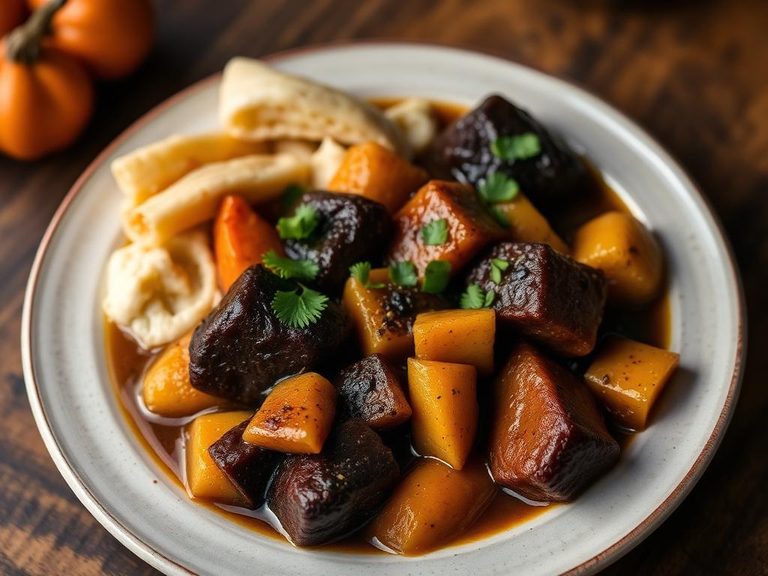
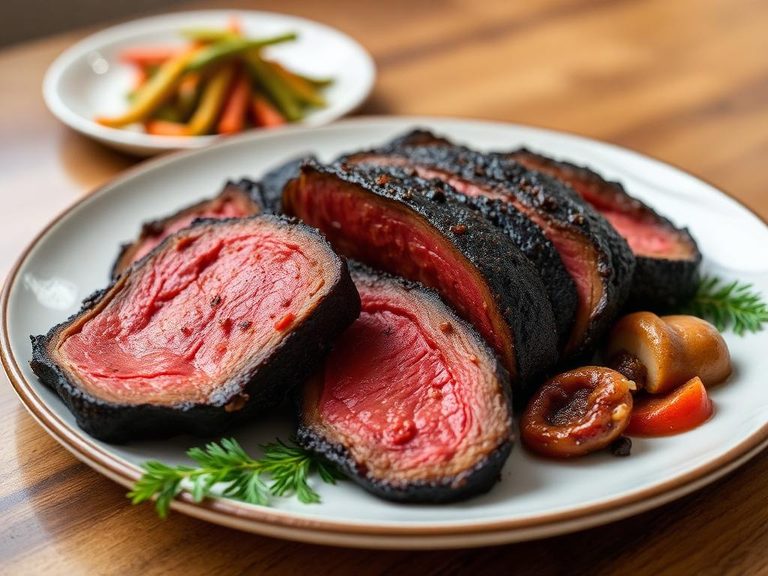
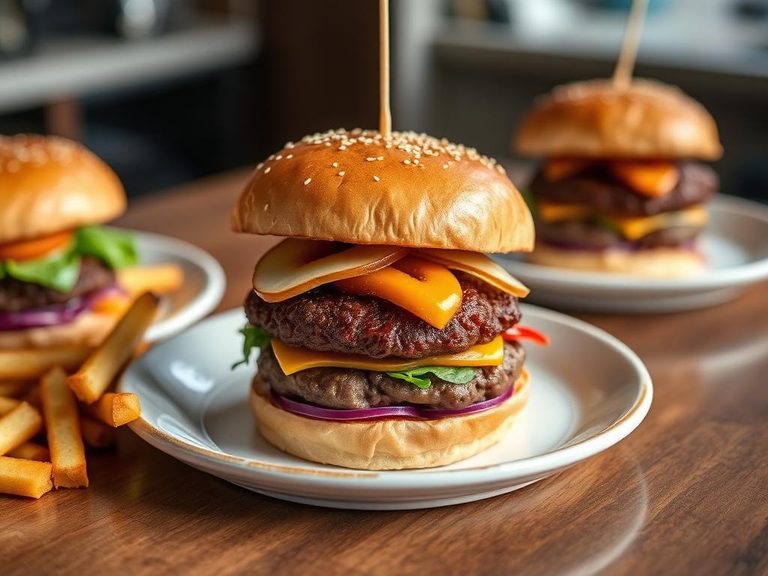
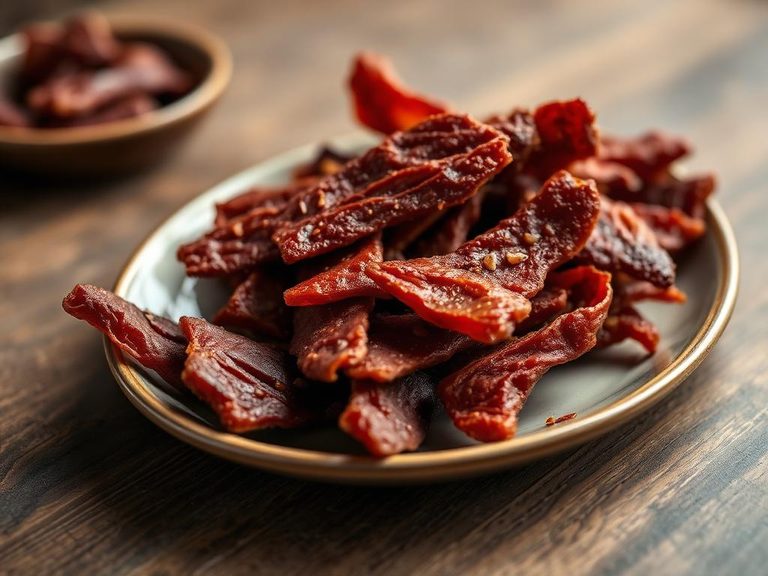
🍽️ Popular dishes
🌍 Where it's eaten
💡 Did you know?
The fat layer of a black bear, which can be several inches thick, was traditionally rendered into a clear, high-smoke-point cooking oil called 'bear grease' by Alaska Native and other Indigenous peoples.
Full nutrition (USDA data · scales with serving)
| Water | 71.2 g |
| Energy | 155 kcal |
| Energy | 649 kj |
| Protein | 20.1 g |
| Total lipid (fat) | 8.3 g |
| Ash | 0.40 g |
| Carbohydrate, by difference | 0.00 g |
| Iron, Fe | 7.2 mg |
| Phosphorus, P | 162 mg |
| Thiamin | 0.16 mg |
| Riboflavin | 0.68 mg |
| Niacin | 3.2 mg |
| Vitamin A, IU | 260 iu |
Amino acid profile (per 100g)
Estimated from Seal, bearded (Oogruk), meat, partially dried (Alaska Native) — USDA does not publish this profile for Bear.
| Tryptophan | 0.60 g |
| Threonine | 2.4 g |
| Isoleucine | 2.4 g |
| Leucine | 4.8 g |
| Lysine | 5.1 g |
| Methionine | 1.3 g |
| Cystine | 0.34 g |
| Phenylalanine | 2.5 g |
| Tyrosine | 1.6 g |
| Valine | 2.4 g |
| Arginine | 3.5 g |
| Histidine | 2.2 g |
| Alanine | 3.6 g |
| Aspartic acid | 5.2 g |
| Glutamic acid | 8.3 g |
| Glycine | 3.3 g |
| Proline | 2.9 g |
| Serine | 2.3 g |
FAQ
Is black bear meat safe to eat?
Yes, but it requires careful handling. The primary concern is the potential for Trichinella parasites. It must be cooked thoroughly to an internal temperature of at least 160°F (71°C) throughout, with no pink remains. Freezing the meat at -4°F (-20°C) for 20 days can also kill parasites.
What does black bear meat taste like?
It is often described as a rich, slightly sweet meat with a flavor profile between beef and venison. The taste can vary significantly based on the bear's diet; those that have been feeding heavily on salmon or berries will have a stronger, more distinct flavor.
How do you reduce the gamey taste of bear meat?
Soaking the meat in a marinade is key. Common methods include soaking in salted water, buttermilk, or a vinegar/wine solution for 12-24 hours in the refrigerator. This helps draw out blood and mellow the strong flavor. Slow cooking in a flavorful stew also helps tenderize and balance the taste.
Weight-loss friendliness (composite index)
Energy density 1.55 kcal/g · 52% calories from protein · 0.0 g fiber · 0.0 g sugar per 100 g.
Composite of energy density (Rolls et al., 1999), protein & fiber satiety, minus sugar. A calculated heuristic — ranks satiety-per-calorie, not a clinical measure.