

Abiyuch, raw
Whole food · Fruits and Fruit Juices

Photo: Wikipedia
Abiyuch, also known as the Indian Jujube or Ber, is a small, round fruit with a crisp, apple-like texture when raw and a sweet-tart flavor reminiscent of a green apple or pear. Its skin is smooth and green, often turning yellow or reddish as it ripens, while the flesh is juicy and mildly astringent. Nutritionally, it is a low-calorie, fiber-rich fruit that provides a good source of vitamin C and antioxidants, making it a refreshing, hydrating snack.
Calorie split: 8% protein · 91% carbs · 1% fat
↓ Full nutrition💚 Why it's loved
People love abiyuch for its crisp, refreshing texture and sweet-tart flavor, which makes it a versatile snack that can be eaten raw, dried, or pickled. It is also cherished in traditional medicine and cultural practices, often used in folk remedies and festive dishes.
⚠️ Watch-outs & how to enjoy it better
Some individuals may find the raw fruit slightly astringent or bitter, especially if unripe, which can be off-putting. Additionally, its high fiber content may cause digestive discomfort in those with sensitive stomachs, so it is advisable to consume it in moderation and pair it with water or other hydrating foods to ease digestion.
Key benefits
- Rich in vitamin C, supporting immune function and skin health.
- High in dietary fiber, aiding digestion and promoting gut health.
- Low in calories and fat, making it suitable for weight management.
- Contains antioxidants like flavonoids, which may help reduce oxidative stress.
- Provides natural sugars for a quick energy boost without excessive calories.
🍽️ Popular dishes
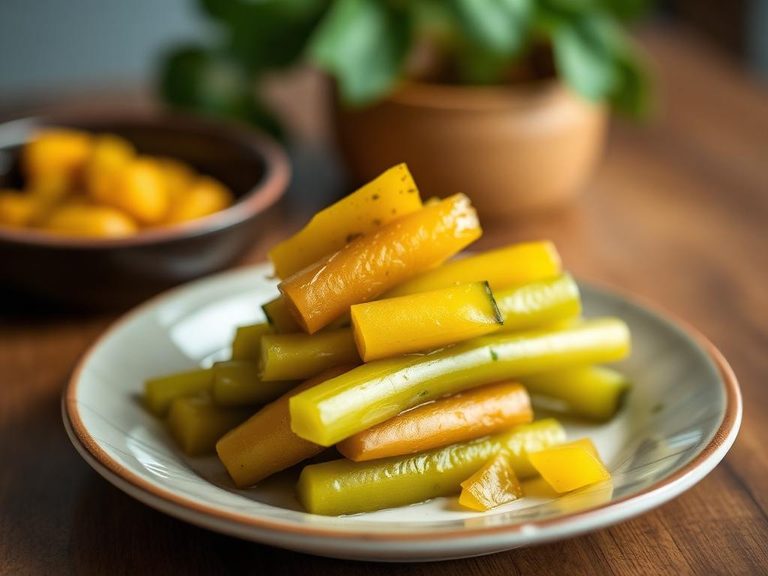 Abiyuch pickle (a tangy, spiced condiment popular in South Asian cuisine)
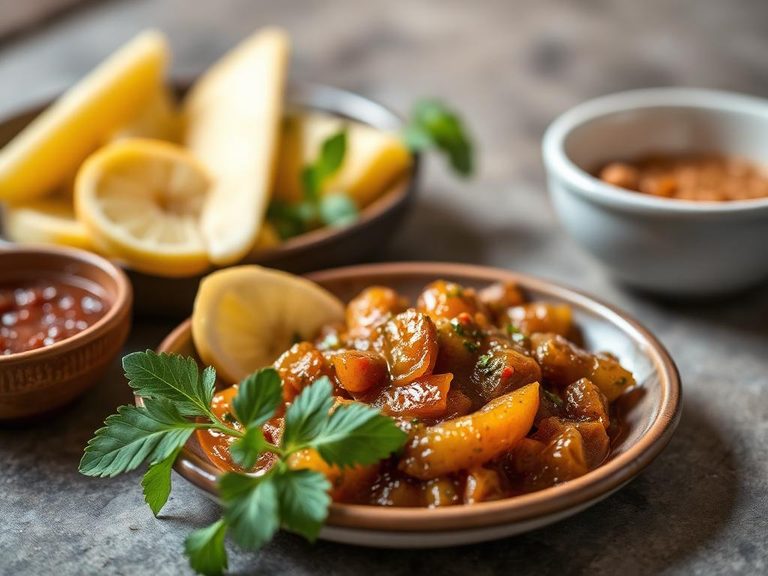 Abiyuch chutney (a sweet and savory sauce often served with snacks)
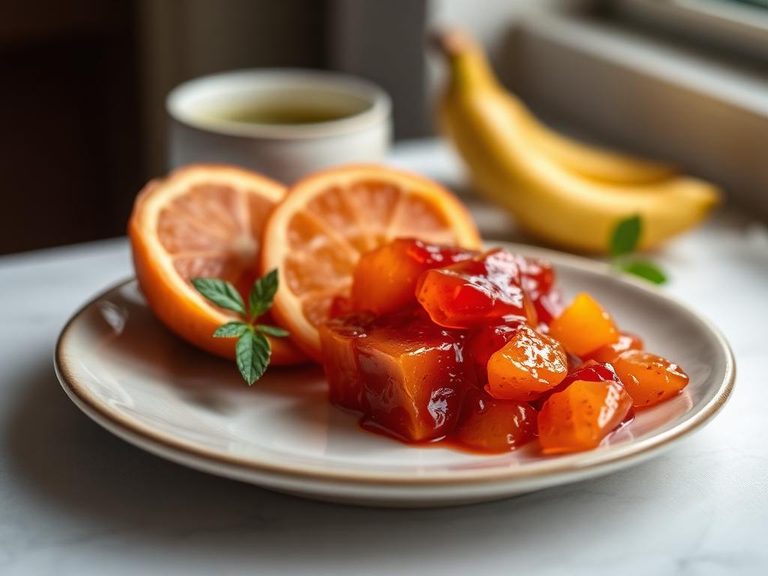 Abiyuch jam (a preserve made with sugar and spices)
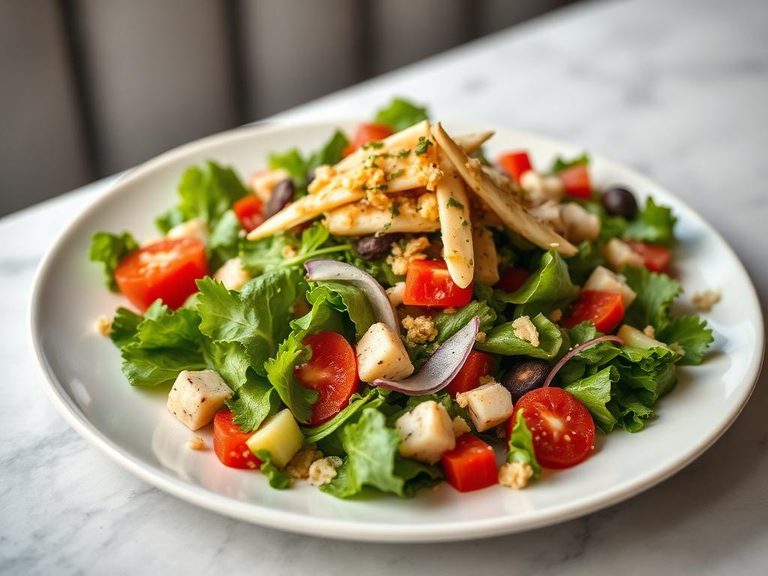 Abiyuch salad (a fresh, crunchy salad with herbs and dressing)
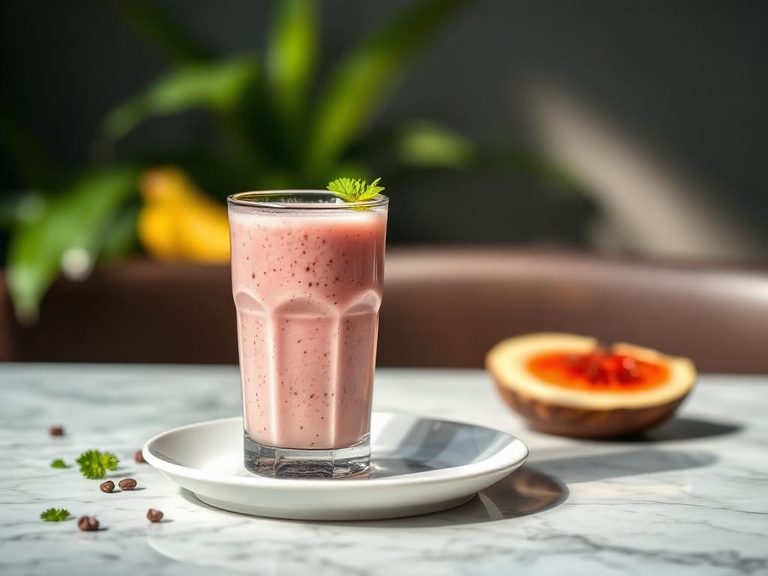 Abiyuch smoothie (blended with yogurt or milk for a nutritious drink)
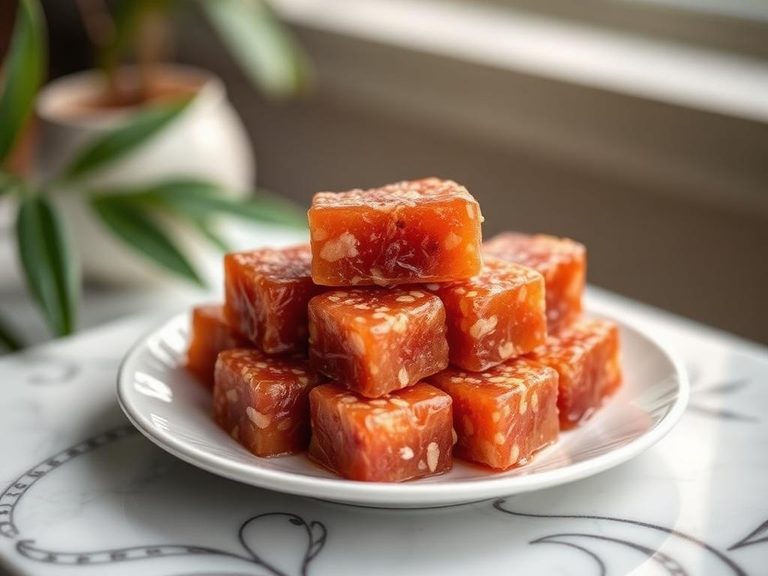 Abiyuch candy (dried or candied fruit, often coated in sugar)
🌍 Where it's eaten
💡 Did you know?
Abiyuch is also known as the 'Indian Jujube' and has been cultivated for over 4,000 years, with its fruit used in traditional Ayurvedic medicine to treat ailments like coughs and digestive issues.
Full nutrition (USDA data · scales with serving)
| Water | 79.9 g |
| Energy | 69.0 kcal |
| Energy | 290 kj |
| Protein | 1.5 g |
| Total lipid (fat) | 0.10 g |
| Ash | 0.90 g |
| Carbohydrate, by difference | 17.6 g |
| Fiber, total dietary | 5.3 g |
| Total Sugars | 8.6 g |
| Sucrose | 0.05 g |
| Glucose | 4.5 g |
| Fructose | 3.8 g |
| Lactose | 0.00 g |
| Maltose | 0.20 g |
| Galactose | 0.00 g |
| Calcium, Ca | 8.0 mg |
| Iron, Fe | 1.6 mg |
| Magnesium, Mg | 24.0 mg |
| Phosphorus, P | 47.0 mg |
| Potassium, K | 304 mg |
| Sodium, Na | 20.0 mg |
| Zinc, Zn | 0.31 mg |
| Copper, Cu | 0.06 mg |
| Manganese, Mn | 0.18 mg |
| Vitamin C, total ascorbic acid | 54.1 mg |
| Vitamin A, RAE | 5.0 ug |
| Retinol | 0.00 ug |
| Carotene, beta | 60.0 ug |
| Carotene, alpha | 0.00 ug |
| Vitamin A, IU | 100 iu |
Fat & fatty acid profile (per 100g)
| Fatty acids, total saturated | 0.01 g |
| Fatty acids, total trans | 0.00 g |
FAQ
What does abiyuch taste like?
Abiyuch has a sweet-tart flavor similar to a green apple or pear, with a crisp, juicy texture when raw.
Is abiyuch healthy?
Yes, abiyuch is low in calories and fat, high in fiber and vitamin C, and contains antioxidants that support overall health.
How is abiyuch typically eaten?
It can be eaten raw, dried, pickled, or used in jams, chutneys, and salads, making it a versatile ingredient in various cuisines.
Nutrient density (calculated · NRF9.3)
Nutrient Rich Foods index: beneficial nutrients (protein, fiber, vitamins, minerals) minus saturated fat, added sugar & sodium, per 100 kcal.
NRF9.3 index — Fulgoni, Keast & Drewnowski, 2009. Computed from USDA nutrients.
Weight-loss friendliness (composite index)
Energy density 0.69 kcal/g · 9% calories from protein · 5.3 g fiber · 8.6 g sugar per 100 g.
Composite of energy density (Rolls et al., 1999), protein & fiber satiety, minus sugar. A calculated heuristic — ranks satiety-per-calorie, not a clinical measure.
Dietary load (calculated from USDA values)
Potential renal acid load. Positive = acid-forming, negative = alkaline-forming.
Sodium-to-potassium ratio: 0.07 (lower is better — aim for ≤ 1)
Sodium:potassium per WHO potassium guidance. Computed from USDA nutrients.